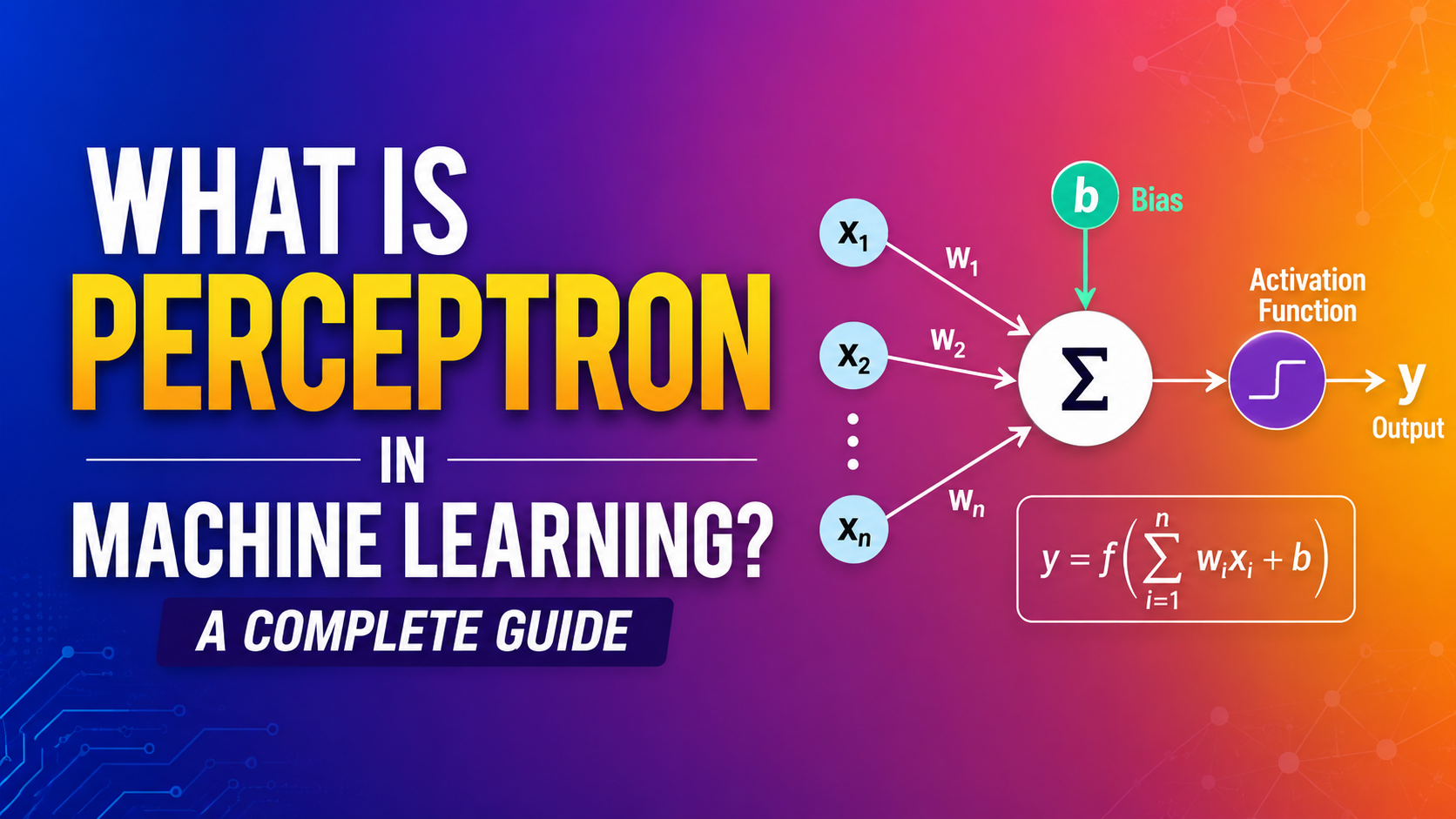
Machine Learning is built on the idea that computers can learn patterns from data and make decisions without being explicitly programmed. Perceptron in Machine Learning One of the earliest and most influential algorithms that introduced this concept is the Perceptron. Developed in the late 1950s, it laid the groundwork for modern neural networks and deep learning systems.
Even though today’s AI models are far more advanced, the perceptron remains one of the most important foundational concepts. Understanding it deeply will help you grasp how complex models like deep neural networks, transformers, and AI systems actually work under the hood.
Perceptron in Machine Learning ?
A perceptron is a supervised learning algorithm used primarily for binary classification problems. It takes a set of input features and produces a single output, deciding between two possible classes.
At its core, the perceptron is a mathematical model inspired by a biological neuron. Just like a neuron receives signals, processes them, and decides whether to fire, a perceptron receives inputs, processes them using weights, and produces an output.
For example, a perceptron can be used to:
- Classify emails as spam or not spam
- Detect whether a transaction is fraud or legitimate
- Identify whether an image contains a specific object
Structure of a Perceptron
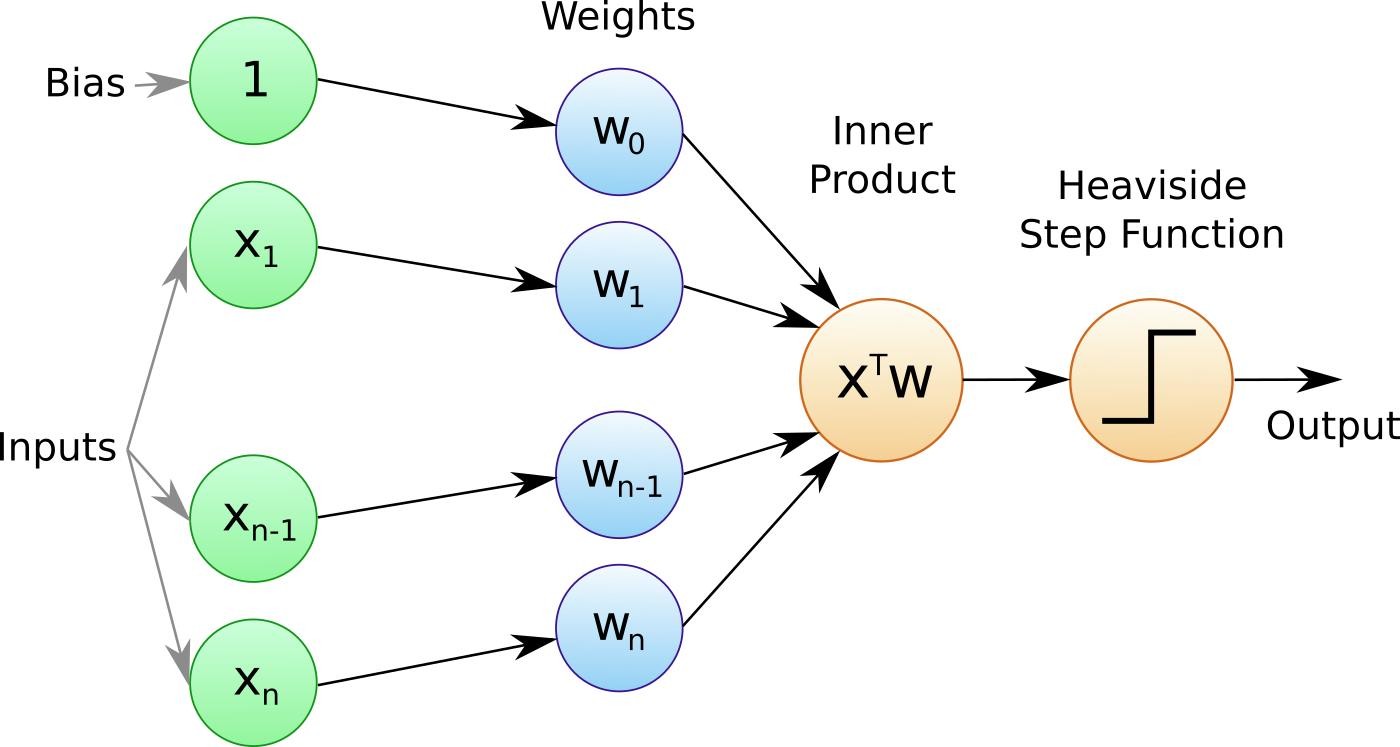
A perceptron consists of several important components that work together to make decisions.
The inputs represent the features of the data. These could be numerical values like age, salary, or number of clicks. Each input is associated with a weight, which indicates how important that feature is for the decision.
The bias is an additional parameter that helps shift the decision boundary. Without bias, the model would be too rigid and less flexible.
Finally, the activation function determines the output. It decides whether the neuron should “fire” (output 1) or not (output 0).
Mathematical Representation
y=f(∑i=1nwixi+b)y = f\left(\sum_{i=1}^{n} w_i x_i + b\right)
This equation is the heart of the perceptron. It shows how inputs are combined with weights and bias to produce an output.
The perceptron computes a weighted sum of all input features and then applies an activation function to that result. This output is typically binary, making it suitable for classification tasks.
Understanding the Activation Function
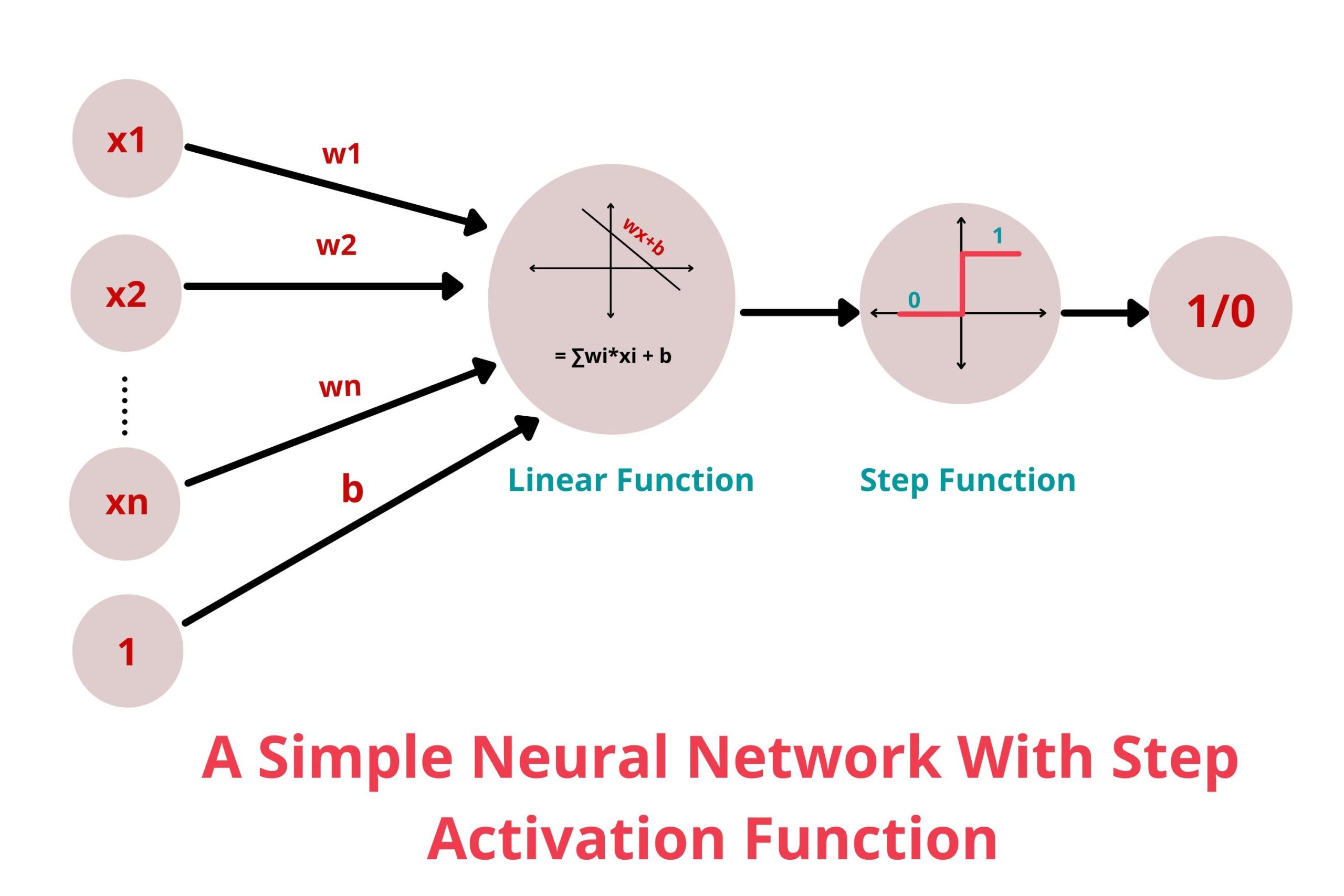
The activation function is responsible for converting the weighted sum into a final decision. In a basic perceptron, the most commonly used activation function is the step function.
It works by comparing the output value to a threshold:
- If the value is greater than or equal to the threshold, the output is 1
- If the value is less than the threshold, the output is 0
This makes the perceptron behave like a simple decision-maker.
How the Perceptron Learns
The perceptron learns through an iterative process. Initially, the weights are assigned random values. The model then processes input data and makes predictions.
If the prediction is correct, the weights remain unchanged. However, if the prediction is wrong, the perceptron adjusts its weights to reduce the error. This process continues over multiple iterations until the model achieves acceptable accuracy.
This learning mechanism is what makes the perceptron adaptive and capable of improving over time.
Training Rule (Weight Update Mechanism)
wi=wi+η(y−y^)xiw_i = w_i + \eta (y – \hat{y}) x_i
The weight update rule defines how the perceptron learns from its mistakes.
Here, the difference between the actual output and predicted output determines how much the weights should be adjusted. The learning rate controls the step size of this update.
A well-chosen learning rate ensures that the model learns efficiently without overshooting the optimal solution.
Decision Boundary Explained
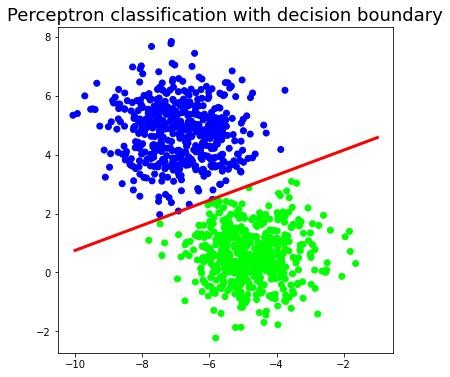
The decision boundary is a critical concept in understanding how a perceptron works. It is the line (in two dimensions) or plane (in higher dimensions) that separates different classes.
For example, in a 2D space, the perceptron draws a straight line to separate two groups of points. This is why the perceptron can only solve problems where the data is linearly separable.
Worked Example
Consider a simple classification problem where we want to determine whether a student passes or fails based on two features: study hours and attendance.
Let’s assume:
- Study hours = x1x_1
- Attendance = x2x_2
The perceptron assigns weights to these features and computes a score. If the score crosses a threshold, the student is classified as “Pass”; otherwise, “Fail”.
Over time, the perceptron learns the importance of each feature. For instance, it might learn that study hours are more important than attendance.
Types of Perceptron
Single-Layer Perceptron
This is the simplest form of perceptron with only one layer of output nodes. It works well for simple classification tasks but struggles with complex data patterns.
Multi-Layer Perceptron (MLP)
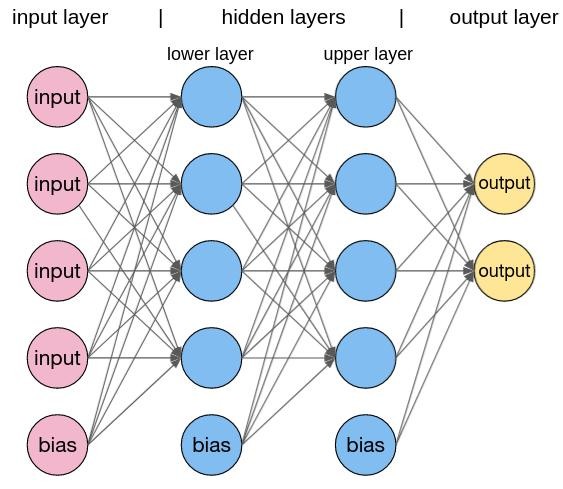
A multi-layer perceptron contains one or more hidden layers between input and output layers. These additional layers allow the model to learn complex patterns and relationships.
MLPs are widely used in modern deep learning applications such as image recognition, speech processing, and natural language processing.
Advantages of Perceptron
The perceptron is simple, intuitive, and easy to implement. It requires less computational power and works efficiently for linearly separable data. It also serves as a stepping stone to understanding more complex machine learning algorithms.
Limitations of Perceptron
Despite its importance, the perceptron has several limitations. It cannot solve non-linear problems such as the XOR problem. It relies on a simple activation function, which limits its expressive power.
Additionally, the perceptron may fail to converge if the dataset is not linearly separable. This makes it unsuitable for many real-world applications without modifications.
Applications of Perceptron
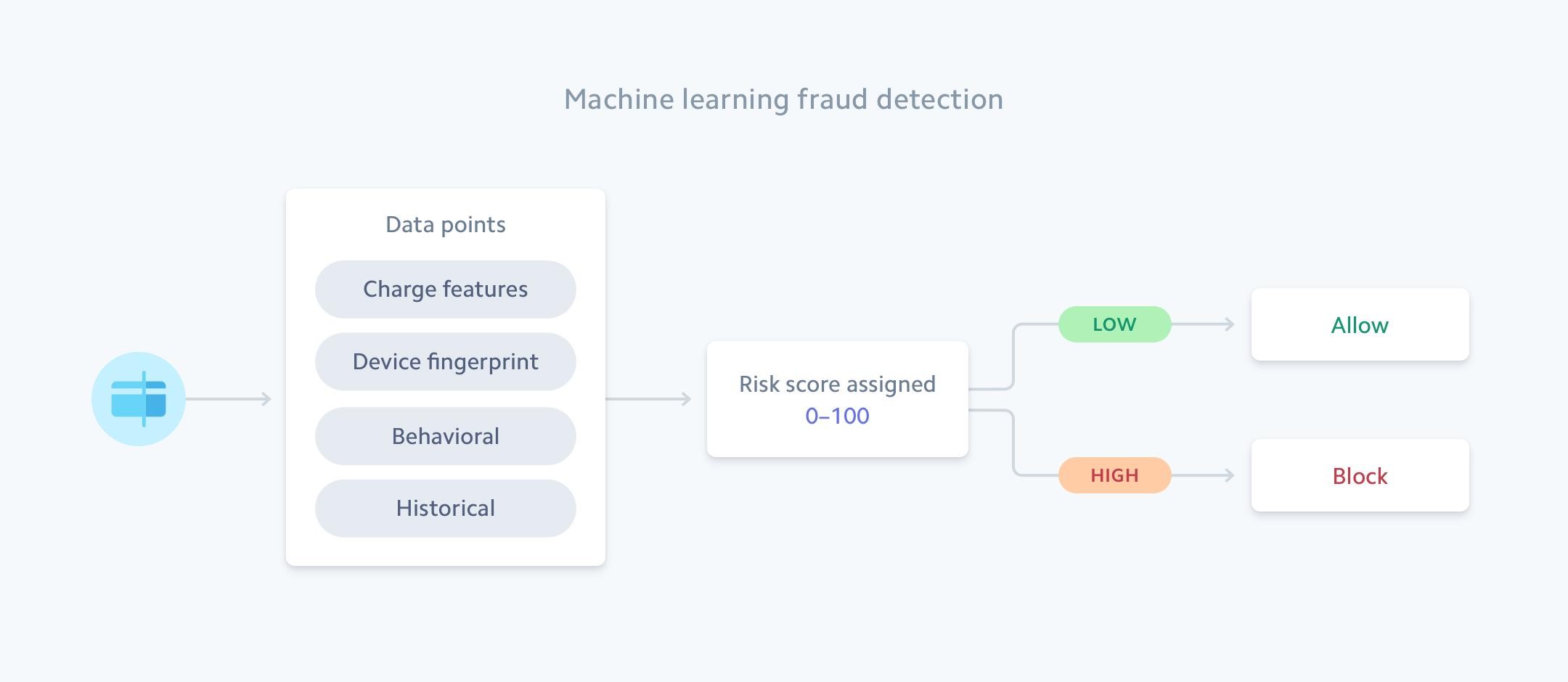
Although modern machine learning models have largely replaced the basic perceptron, it still plays an important role in various applications and educational contexts.
It is used in spam detection systems, sentiment analysis tools, and basic pattern recognition tasks. It also forms the conceptual basis for neural networks used in advanced AI systems.
Perceptron vs Modern Neural Networks
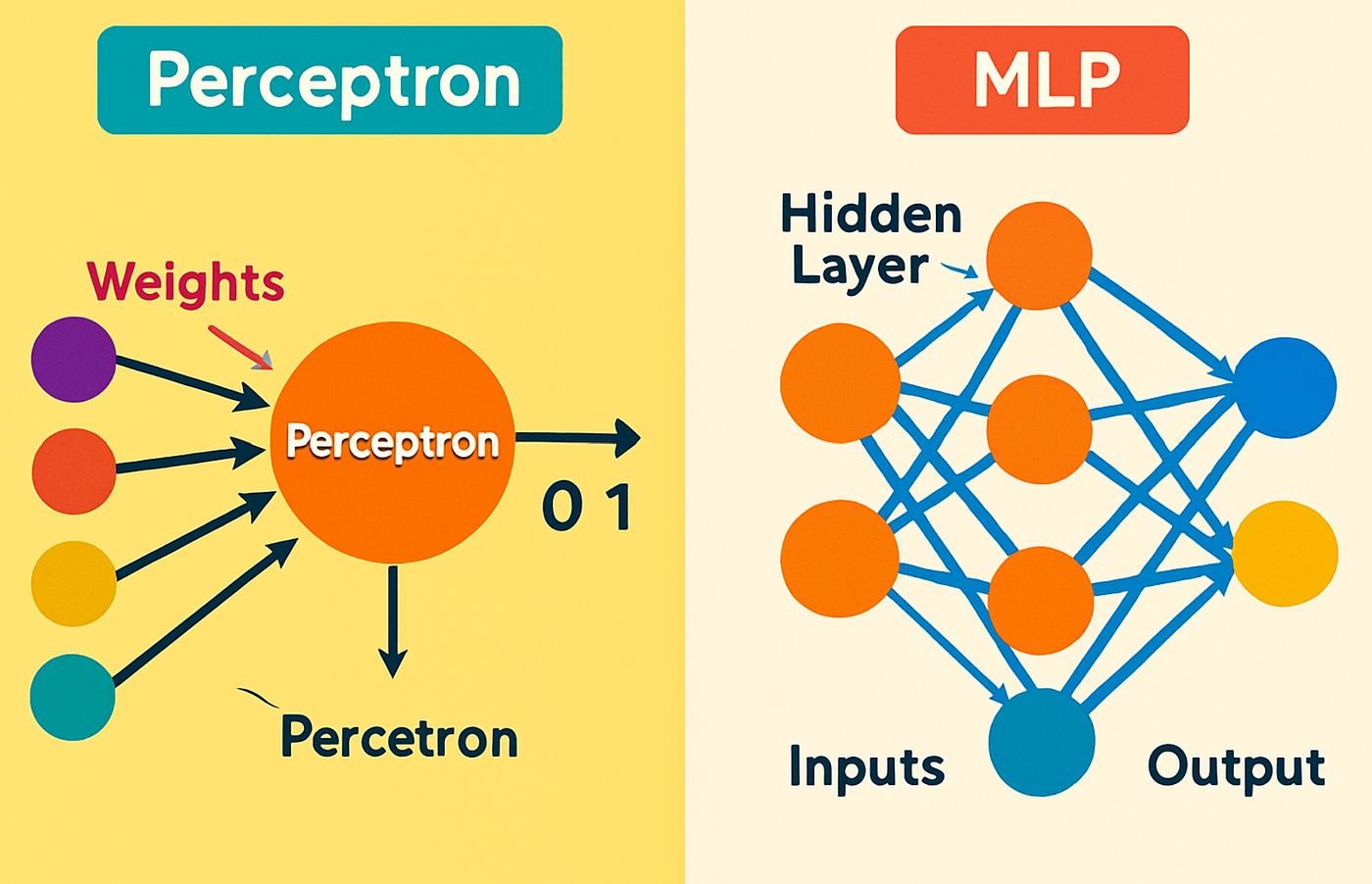
Modern neural networks are essentially an extension of the perceptron concept. While a perceptron uses a single layer and simple activation function, modern networks use multiple layers and advanced activation functions like ReLU and sigmoid.
These improvements allow modern AI systems to handle highly complex tasks such as image recognition, language translation, and autonomous driving.
Historical Significance
The perceptron was introduced by Frank Rosenblatt in 1958. It was one of the first algorithms capable of learning from data. Although it faced criticism due to its limitations, it later inspired the development of multi-layer neural networks and backpropagation.
Today, it is recognized as a milestone in the evolution of artificial intelligence.
Conclusion
The perceptron is more than just a simple algorithm—it is the foundation upon which modern machine learning and deep learning are built. By understanding how it works, you gain insight into how machines learn, adapt, and make decisions.
Even though it has limitations, its concepts remain relevant in today’s AI-driven world. Mastering the perceptron is the first step toward mastering neural networks and becoming proficient in machine learning.
Kaashiv Infotech Offers Machine Learning Course, Artificial Intelligence Course, Python Course, Visit Our Website www.kaashivinfotech.com.