

How to Become a Software Engineer – Becoming a software engineer in 2026 is no longer limited to people with a formal computer science degree. Today, the industry values skills, projects, and problem-solving ability more than traditional qualifications. Whether you’re a student, working professional, or someone switching careers, this guide will walk you through a clear, realistic, and practical path to becoming a software engineer.
Instead of overwhelming you with too many options, this article focuses on 6 essential steps—expanded in detail so you understand not just what to do, but how and why.
Step 1: Understand the Role of a Software Engineer

Before writing your first line of code, it’s important to understand what software engineers actually do on a daily basis. Many beginners assume it’s just about coding, but in reality, it’s much more than that.
A software engineer is responsible for designing, developing, testing, and maintaining software systems. This could include anything from building websites and mobile apps to creating complex enterprise systems or Artificial Intelligence-powered tools. Engineers also collaborate with designers, product managers, and other developers to bring ideas to life.
In real-world scenarios, you’ll spend time:
- Understanding problems and requirements
- Writing and reviewing code
- Debugging issues and optimizing performance
- Working with tools like version control systems and cloud platforms
As you grow, you’ll naturally start specializing. Some engineers focus on user interfaces (frontend), others on server-side logic (backend), and many choose to become full stack developers who handle both. In 2026, there is also a strong demand for engineers who understand AI integration and cloud-based systems.
The key takeaway here is simple: software engineering is about solving problems using technology, not just writing code.
Step 2: Choose a Programming Language and Build Strong Foundations
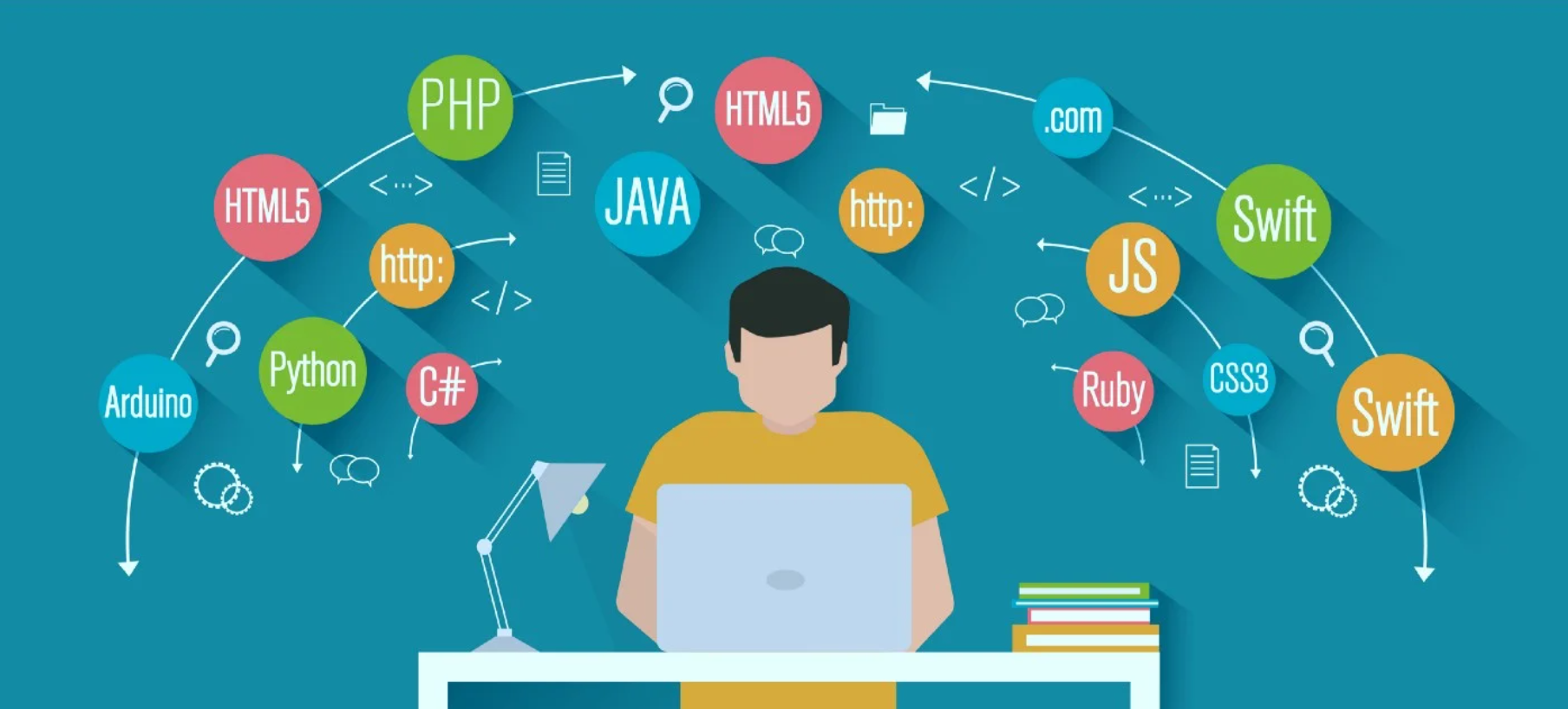
One of the biggest mistakes beginners make is trying to learn multiple programming languages at once. This often leads to confusion and shallow understanding. Instead, you should pick one language and go deep.
If you are just starting out, languages like Python and JavaScript are excellent choices. Python is known for its simplicity and is widely used in fields like automation, data science, and artificial intelligence. JavaScript, on the other hand, is essential for web development and allows you to build interactive user interfaces.
As you learn your first language, don’t rush through tutorials. Focus on understanding:
- Variables, data types, and operators
- Control structures like loops and conditionals
- Functions and modular programming
- Basic object-oriented concepts
Spend time writing small programs and experimenting. The goal is to develop logical thinking and problem-solving ability, not just memorize syntax.
Once you are comfortable, learning additional languages becomes much easier because the core concepts remain similar.
Step 3: Learn Core Computer Science Concepts

Many self-taught developers skip fundamentals, but this is where the real difference between an average developer and a strong engineer lies.
To grow beyond beginner level, you need to understand how systems work under the hood. This includes concepts like data structures and algorithms, which help you write efficient and optimized code. For example, knowing when to use an array versus a hash map can significantly improve performance.
You should also become familiar with:
- How operating systems manage memory and processes
- How databases store and retrieve data
- How networks enable communication between systems
These topics might feel challenging at first, but they are incredibly valuable, especially when preparing for technical interviews. More importantly, they help you think like an engineer rather than just a coder.
Consistency is key here. Even practicing one or two problems daily can lead to massive improvement over time.
Step 4: Build Real-World Projects That Showcase Your Skills

If there’s one thing that truly proves your ability, it’s projects. Employers don’t just want to see what you know—they want to see what you can build.
Start small. Your first projects don’t need to be perfect or complex. Even simple applications like a personal portfolio website or a basic task manager can teach you a lot. As you gain confidence, move on to more advanced ideas such as full-stack applications, APIs, or real-time systems.
The most important thing is to treat your projects like real products. Think about user experience, performance, and scalability. Write clean code, organize your files properly, and document your work.
Publishing your projects on platforms like GitHub helps you build a public portfolio. Over time, this becomes one of your strongest assets when applying for jobs.
Remember, a candidate with strong projects often stands out more than someone with only theoretical knowledge.
Step 5: Learn Industry Tools and Modern Technologies

In the real world, software engineering involves working with a variety of tools and technologies. Knowing how to use these tools effectively can make you significantly more job-ready.
Version control systems like Git allow you to track changes and collaborate with others. Code editors such as Visual Studio Code improve productivity with extensions and debugging features. Tools like Docker help you create consistent environments, while cloud platforms such as AWS or Azure enable you to deploy and scale applications.
Instead of trying to learn everything at once, integrate these tools gradually into your workflow. For example, start using Git while working on your projects, then explore deployment once your application is ready.
By the time you apply for jobs, you should feel comfortable working in a modern development environment, not just writing code in isolation.
Step 6: Apply for Jobs and Continuously Improve

The final step is where many people hesitate. They wait until they feel “perfect,” but in reality, that moment never comes.
Once you have a solid understanding of programming, a few good projects, and basic knowledge of tools, you are ready to start applying. Focus on building a strong resume that highlights your skills and showcases your projects clearly.
At the same time, prepare for interviews by practicing coding problems, reviewing fundamentals, and learning how to explain your thought process. Communication is just as important as technical knowledge.
Even if you face rejections initially, treat them as learning experiences. Every interview improves your confidence and helps you identify areas for growth.
Software engineering is a field where learning never stops. New technologies, frameworks, and best practices continue to evolve, and successful engineers are those who adapt and keep improving.
A Realistic Timeline to Become a Software Engineer
Your journey will vary depending on your background and dedication, but a structured timeline can help you stay on track.
In the first few months, focus on learning a programming language and building small projects. As you progress, gradually introduce data structures, algorithms, and more complex applications. By the time you reach the later stages, you should be comfortable with tools, deployment, and real-world problem solving.
With consistent effort, many learners become job-ready within 6 to 12 months. The key is not speed, but consistency and depth of understanding.
Final Thoughts
Becoming a software engineer in 2026 is more accessible than ever, but it still requires dedication, patience, and smart learning strategies. You don’t need to know everything—you just need to know enough to build, solve problems, and keep improving.
If you follow these six steps with focus and consistency, you’ll gradually transform from a beginner into a confident developer ready to enter the industry.
The journey may feel challenging at times, but it’s also incredibly rewarding. Every project you build, every bug you fix, and every concept you understand brings you one step closer to your goal.
Want to Learn More About Testing, Debugging ? Kaashiv Infotech Offers Software Testing Course, Internships & More, Visit Our Website www.kaashivinfotech.com.


