What is Data Warehousing? If you’ve ever asked this question, you’re not alone. When I first heard the term, I imagined a giant digital storage room filled with files and folders. Surprisingly, that’s not too far from the truth.
Table Of Content
- 🌟 Key Highlights
- What is Data Warehousing? A Simple Explanation
- Definition of Data Warehousing
- Why is Data Warehousing Important?
- Benefits of Data Warehousing
- How Does Data Warehousing Work?
- Step 1: Data Collection
- Step 2: Data Integration
- Step 3: Data Storage
- Step 4: Data Analysis
- Key Components of Data Warehousing
- 1. Data Sources
- 2. ETL Process
- 3. Data Warehouse Database
- 4. Reporting Tools
- What is Data Warehousing vs Database?
- Example
- Types of Data Warehousing
- 1. Enterprise Data Warehouse (EDW)
- 2. Operational Data Store (ODS)
- 3. Data Mart
- Real-World Examples of Data Warehousing
- Amazon
- Netflix
- Banks
- E-Commerce Businesses
- Advantages of Data Warehousing
- Better Decision-Making
- Improved Data Quality
- Faster Reports
- Historical Analysis
- Business Intelligence Support
- Challenges of Data Warehousing
- High Initial Cost
- Complex Implementation
- Data Security
- Maintenance
- Modern Cloud Data Warehousing
- Career Opportunities in Data Warehousing
- 👨💻 Data Engineer
- 📊 Data Analyst
- ☁️ Cloud Data Engineer
- 📈 Business Intelligence Developer
- Final Thoughts
- Related Reads
What is Data Warehousing? Simply put, it is the process of collecting, organizing, and storing data from different sources in one central location so businesses can analyze it and make better decisions.
In today’s world, companies generate huge amounts of data every second. Online purchases, social media interactions, customer feedback, website visits, and mobile apps all create valuable information. Without a proper system, that data becomes messy and difficult to use.
That’s where Data Warehousing comes in.
In this guide, I’ll explain what is Data Warehousing, how it works, why companies use it, its advantages, challenges, and real-world examples. By the end, you’ll understand why data warehousing is one of the most important technologies behind modern businesses.
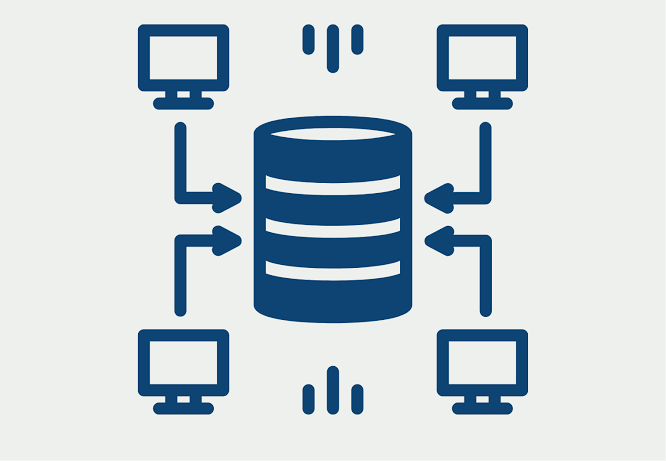
🌟 Key Highlights
- Learn what is Data Warehousing in simple words.
- Understand how a data warehouse works.
- Discover the benefits of Data Warehousing.
- Explore real-world examples from popular companies.
- Learn the difference between databases and data warehouses.
- Understand modern cloud-based data warehousing solutions.
- Discover career opportunities in Data Warehousing and Data Analytics.
What is Data Warehousing? A Simple Explanation
Let’s start with the basics.
A Data Warehouse is a centralized repository where businesses store large amounts of structured data collected from multiple sources.
Think of it like a giant library.
Imagine every department in a company has its own books:
- Sales team
- Marketing team
- Customer support team
- Finance team
If each department keeps information separately, finding useful insights becomes difficult.
A data warehouse brings all those books into one organized library where anyone with permission can find information quickly.
That’s the simplest way I explain what is Data Warehousing to beginners.
Definition of Data Warehousing
Data Warehousing is the process of gathering, integrating, storing, and managing data from multiple sources to support business reporting and decision-making.
The main goal is simple:
👉 Turn raw data into useful information.
Why is Data Warehousing Important?
A few years ago, I worked on a project where data was scattered across spreadsheets, emails, and software tools.
Finding answers to basic questions took hours.
Questions like:
- Which product sold the most?
- Which marketing campaign generated leads?
- Which customers made repeat purchases?
Nobody had quick answers.
Once the data was consolidated into a centralized reporting system, everything changed.
That experience helped me understand why Data Warehousing is so valuable.
Benefits of Data Warehousing
✅ Faster reporting
✅ Better business decisions
✅ Improved data quality
✅ Historical data analysis
✅ Increased productivity
✅ Easier forecasting
How Does Data Warehousing Work?
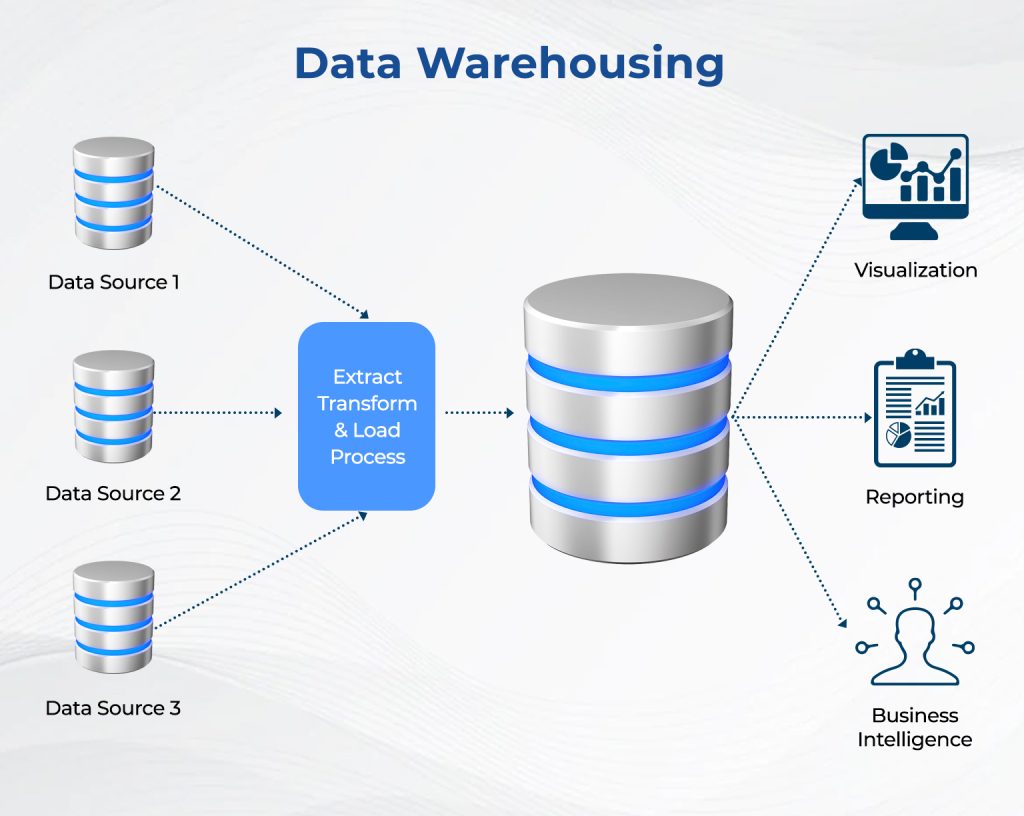
Understanding what is Data Warehousing becomes easier when you look at the process.
Step 1: Data Collection
Data comes from multiple sources:
- Websites
- Mobile apps
- CRM systems
- ERP systems
- Databases
- Social media platforms
Step 2: Data Integration
The collected data is cleaned and standardized.
For example:
- Remove duplicates
- Correct errors
- Standardize formats
Step 3: Data Storage
The processed data is stored inside the warehouse.
Step 4: Data Analysis
Business analysts and decision-makers use reporting tools to generate insights.
This entire process is commonly known as ETL (Extract, Transform, Load).
Key Components of Data Warehousing
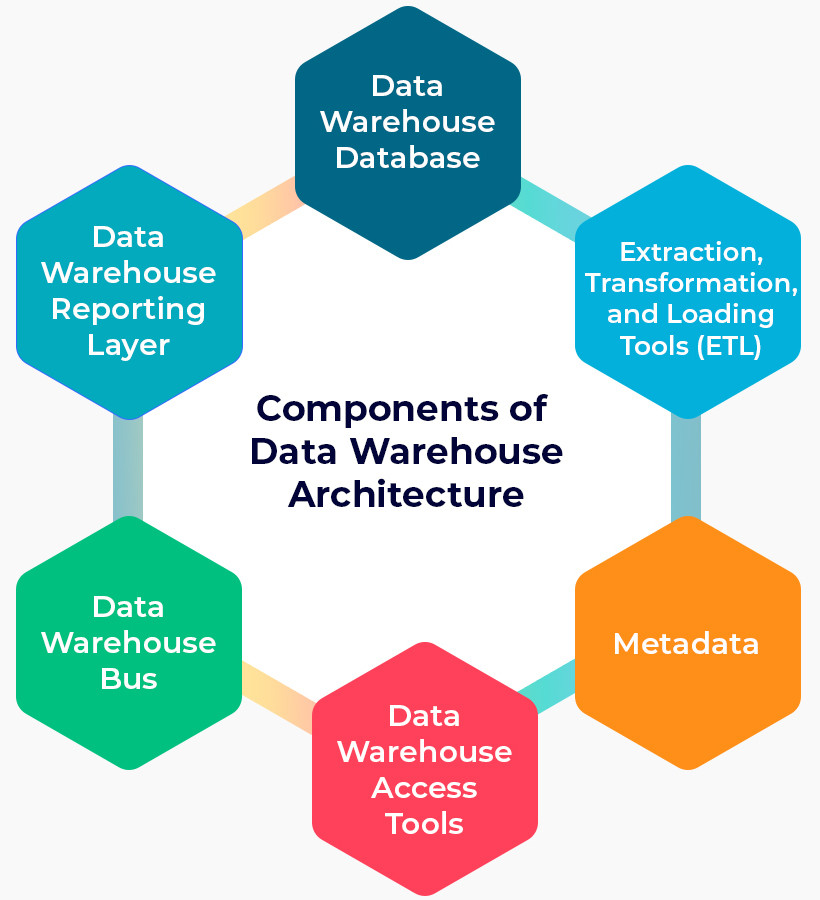
When learning what is Data Warehousing, it’s important to understand its building blocks.
1. Data Sources
These are systems where data originates.
Examples include:
- Websites
- Applications
- Databases
- Business software
2. ETL Process
ETL stands for:
- Extract
- Transform
- Load
This process prepares data before storage.
3. Data Warehouse Database
This is the central storage location.
4. Reporting Tools
Tools help users analyze and visualize data.
Popular tools include:
- Microsoft Power BI
- Tableau
- Looker
What is Data Warehousing vs Database?
Many beginners confuse these two terms.
I did too when I started learning data technologies.
| Database | Data Warehouse |
|---|---|
| Stores current data | Stores historical data |
| Supports daily operations | Supports analytics |
| Fast transactions | Complex reporting |
| Frequently updated | Periodically updated |
Example
A bank database records today’s transactions.
A data warehouse stores years of transaction history for analysis.
That’s one of the easiest ways to understand what is Data Warehousing compared to a traditional database.
Types of Data Warehousing
Not every company uses the same approach.
1. Enterprise Data Warehouse (EDW)
A large centralized warehouse serving the entire organization.
2. Operational Data Store (ODS)
Stores near real-time operational data.
3. Data Mart
A smaller warehouse focused on a specific department.
Examples:
- Marketing Data Mart
- Sales Data Mart
- Finance Data Mart
Real-World Examples of Data Warehousing
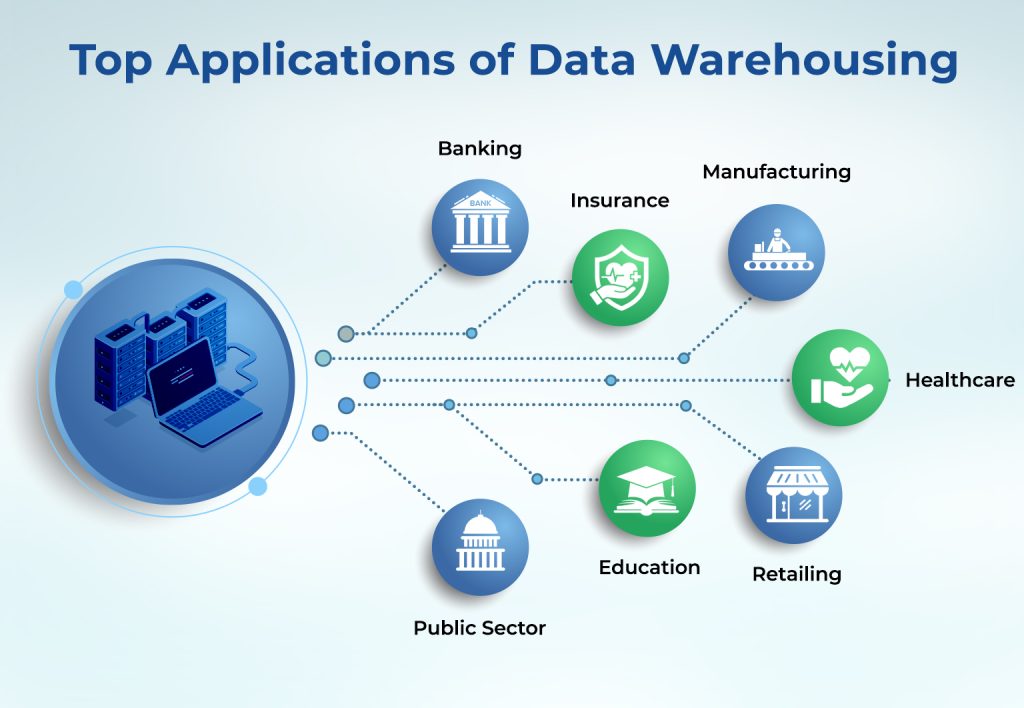
One of the best ways to understand what is Data Warehousing is through examples.
Amazon
Amazon analyzes:
- Purchase history
- Customer behavior
- Product recommendations
The company relies heavily on data warehousing technologies.
Netflix
Netflix uses data analytics to recommend shows and movies based on viewing history.
Banks
Banks use data warehouses for:
- Fraud detection
- Risk analysis
- Customer segmentation
E-Commerce Businesses
Online stores analyze:
- Best-selling products
- Customer preferences
- Seasonal trends
Advantages of Data Warehousing
Let’s look at why organizations invest millions in Data Warehousing.
Better Decision-Making
Managers can access reliable information quickly.
Improved Data Quality
Data gets cleaned before entering the warehouse.
Faster Reports
Reports that once took hours can be generated in minutes.
Historical Analysis
Companies can compare performance over years.
Business Intelligence Support
Data warehouses power modern BI tools and dashboards.
Challenges of Data Warehousing
No technology is perfect.
While learning what is Data Warehousing, it’s equally important to understand the challenges.
High Initial Cost
Building a warehouse can be expensive.
Complex Implementation
Large projects require skilled professionals.
Data Security
Sensitive information must be protected.
Maintenance
Warehouses need regular updates and monitoring.
Modern Cloud Data Warehousing
The world is moving toward cloud solutions.
Instead of maintaining expensive servers, companies now use cloud-based platforms.
Popular cloud data warehouse platforms include:
- Snowflake
- Google BigQuery
- Amazon Redshift
- Microsoft Azure Synapse Analytics
These platforms offer:
- Scalability
- Lower maintenance
- Faster deployment
- Better performance
This is why cloud technologies are changing how organizations approach Data Warehousing.
Career Opportunities in Data Warehousing
One reason I enjoy learning about Data Warehousing is the growing demand for professionals.
Popular roles include:
👨💻 Data Engineer
Builds data pipelines and warehouse systems.
📊 Data Analyst
Analyzes stored data for business insights.
☁️ Cloud Data Engineer
Manages cloud-based warehouses.
📈 Business Intelligence Developer
Creates dashboards and reports.
The demand for these roles continues to grow as businesses become more data-driven.
Final Thoughts
When someone asks me “What is Data Warehousing?”, I usually give a simple answer:
It’s a system that helps businesses collect data from different places, organize it properly, and turn it into valuable insights.
But after spending time learning about it, I’ve realized it’s much more than that.
Data Warehousing helps companies understand customers, improve products, make smarter decisions, and stay competitive in a world driven by information.
Whether you’re a student, a developer, a future data analyst, or simply curious about technology, understanding what is Data Warehousing is a valuable skill that will remain relevant for years to come.
As data continues to grow, the importance of Data Warehousing will only increase. And honestly, this is one technology area that I believe every aspiring tech professional should understand. 🚀
Want to learn more ?, Kaashiv Infotech Offers, Data Science Course, Data Analytics Course, Power BI & More, Visit Our Website course.kaashivinfotech.com.
Related Reads: