
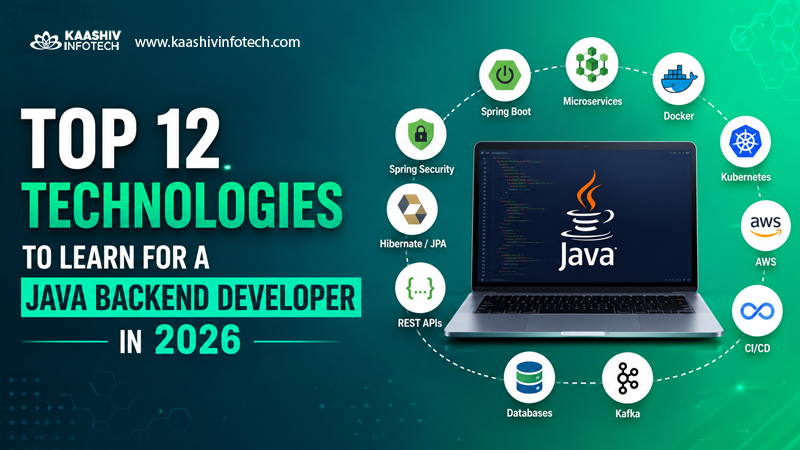
The role of a Java backend developer has evolved significantly. In 2026, companies are no longer looking for developers who only know Java—they want professionals who can design scalable systems, build secure APIs, deploy applications in the cloud, and handle real-time data efficiently.
If you’re aiming to build a strong career in backend development, you need to understand how different technologies come together to form a complete ecosystem. This guide takes you deep into the top 12 Java backend developer technologies should master, explained in a practical and industry-focused way.
Understanding the Modern Java Backend Landscape
Before jumping into individual technologies, it’s important to understand how backend systems work today. Modern applications are distributed, meaning they are broken into smaller services, deployed across cloud platforms, and designed to handle millions of users simultaneously.
This is why a backend developer must think beyond coding. You need to understand performance, scalability, security, and deployment pipelines. The technologies listed below are not isolated tools—they are interconnected building blocks of real-world systems.
Top 12 Java backend developer technologies
1. Core Java (Advanced Level Mastery)
Everything begins with Core Java. Even with powerful frameworks available, your ability to write efficient backend code depends on how well you understand Java fundamentals.
In 2026, companies expect developers to go beyond syntax and deeply understand how Java works internally. This includes topics like multithreading, concurrency, JVM architecture, garbage collection, and memory optimization. When you understand how threads behave or how memory is allocated, you can build systems that perform efficiently under heavy load.
A strong Core Java foundation also makes it easier to learn frameworks like Spring Boot and troubleshoot complex production issues.
2. Spring Boot – The Backbone of Java Development
Spring Boot has become the standard for building Java backend applications. It simplifies development by removing complex configurations and allowing developers to focus on business logic.
Instead of spending hours setting up a project, you can quickly create production-ready applications with built-in features such as dependency injection, embedded servers, and auto-configuration.
More importantly, Spring Boot plays a crucial role in building microservices-based architectures, which dominate modern software systems. Most enterprise companies rely heavily on Spring Boot, making it an essential skill for any Java backend developer.
3. Spring Security – Building Secure Applications
Security is one of the most critical aspects of backend development. With increasing cyber threats, applications must be designed with security in mind from the beginning.
Spring Security provides a powerful framework to implement authentication and authorization. It allows you to build login systems, protect APIs, and manage user roles effectively.
In modern applications, developers often use JWT (JSON Web Tokens) for stateless authentication. Learning how to integrate JWT with Spring Security is a must if you want to build secure and scalable systems.
4. Hibernate and JPA – Efficient Database Handling
Backend development involves constant interaction with databases. Writing raw SQL for every operation can be time-consuming and error-prone. This is where Hibernate and JPA come in.
These technologies allow you to map Java objects directly to database tables, making database operations more intuitive. Instead of writing complex queries, you can work with objects, which improves productivity and code readability.
Understanding how ORM works, along with concepts like lazy loading and caching, helps you design applications that are both efficient and scalable.

5. RESTful API Development – The Communication Layer
APIs are the bridge between the frontend and backend. Every web or mobile application relies on APIs to communicate with servers.
As a Java backend developer, you must know how to design clean and efficient RESTful APIs. This includes understanding HTTP methods, request-response structures, error handling, and API versioning.
A well-designed API is not just functional—it is easy to use, scalable, and secure. Good API design significantly improves the overall performance and usability of an application.
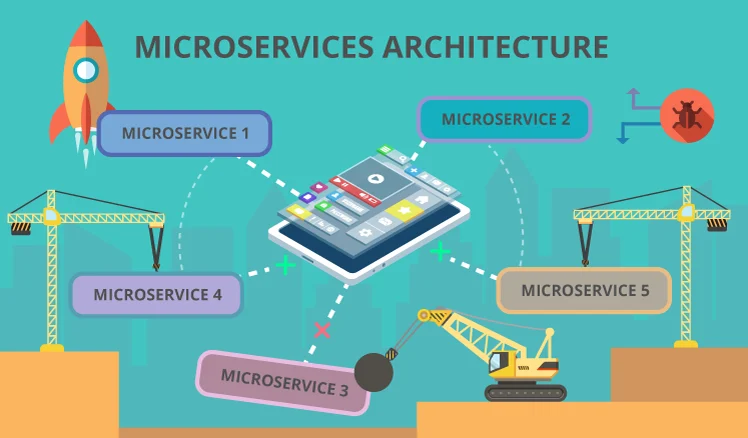
6. Microservices Architecture – The Modern Standard
Traditional monolithic applications are being replaced by microservices. In this architecture, applications are divided into smaller, independent services that communicate with each other.
This approach improves scalability and makes it easier to maintain and update applications. However, it also introduces complexity, such as managing multiple services and handling communication between them.
As a Java backend developer, you should understand how to design microservices using Spring Boot and tools like Spring Cloud. Concepts like service discovery, API gateways, and fault tolerance are essential in this space.
7. Docker – Simplifying Deployment
One of the biggest challenges in development used to be environment inconsistency. An application working on one system might fail on another due to configuration differences.
Docker solves this problem by packaging applications along with their dependencies into containers. This ensures that your application runs the same way everywhere, whether it’s on your local machine or in production.
Learning Docker allows you to deploy applications quickly and reliably, making you a more efficient developer.
8. Kubernetes – Managing Containers at Scale
While Docker helps you create containers, Kubernetes helps you manage them at scale. It automates deployment, scaling, and maintenance of containerized applications.
In large applications, you may have hundreds of containers running simultaneously. Kubernetes ensures that they are distributed properly, scaled based on demand, and restarted automatically if something fails.
Understanding Kubernetes is crucial if you want to work with enterprise-level systems and cloud-native applications.
9. Databases – SQL and NoSQL
A strong backend developer must be comfortable working with different types of databases.
Relational databases like MySQL and PostgreSQL are used for structured data and complex queries. They are essential for applications that require strong consistency.
On the other hand, NoSQL databases like MongoDB are designed for flexibility and scalability. They are commonly used in applications that handle large volumes of unstructured data.
Modern systems often use both types, so understanding when to use each is an important skill.
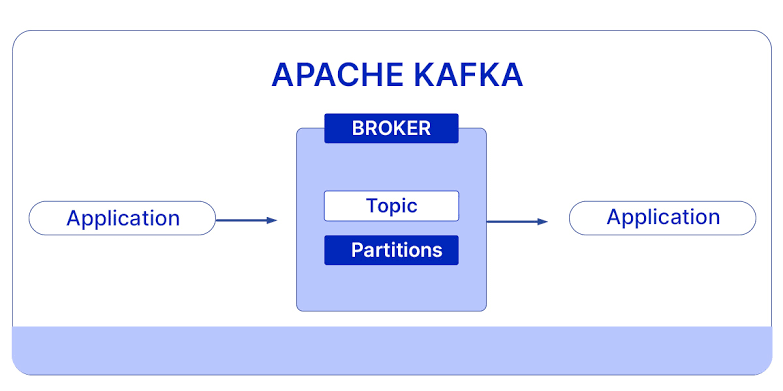
10. Apache Kafka – Real-Time Data Processing
Real-time applications are becoming increasingly common, from financial systems to social media platforms. Apache Kafka is a powerful tool used for handling real-time data streams.
It allows different services to communicate through events, making systems more scalable and decoupled. Instead of direct communication between services, messages are sent through Kafka, improving reliability and performance.
Learning Kafka helps you build systems that can process large amounts of data efficiently in real time.
11. Cloud Platforms – AWS, Azure, and GCP
Cloud computing has become the backbone of modern software development. Companies are moving away from traditional servers and adopting cloud platforms for better scalability and cost efficiency.
As a Java backend developer, you should know how to deploy and manage applications on cloud platforms like AWS, Azure, or Google Cloud. This includes working with services such as virtual machines, managed databases, and serverless functions.
Cloud knowledge not only improves your technical skills but also increases your job opportunities significantly.
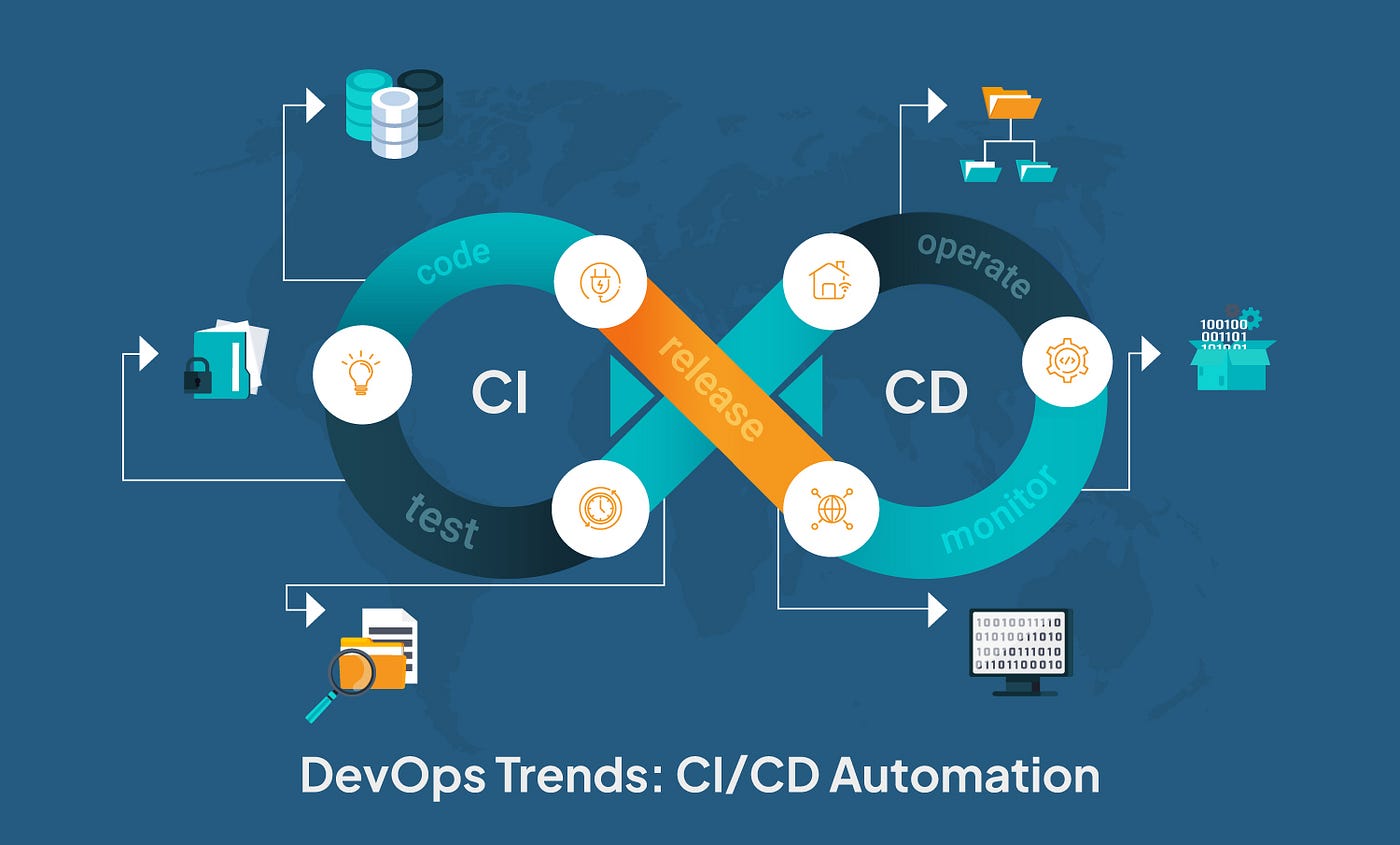
12. CI/CD – Automation in Development
In fast-paced development environments, manual deployment is no longer practical. Continuous Integration and Continuous Deployment (CI/CD) pipelines automate the process of building, testing, and deploying applications.
Tools like Jenkins and GitHub Actions help ensure that code changes are tested and deployed quickly without errors. This improves productivity and reduces the risk of bugs in production.
Understanding CI/CD is essential for working in modern DevOps-driven teams.
Bringing It All Together
A successful Java backend developer doesn’t just learn these technologies individually—they understand how to integrate them into a complete system.
Imagine building a real-world application. You might use Spring Boot to create APIs, Hibernate to interact with the database, and Spring Security to protect endpoints. The application could be containerized using Docker, managed with Kubernetes, and deployed on a cloud platform like AWS. Meanwhile, Kafka could handle real-time communication, and a CI/CD pipeline would automate testing and deployment.
When all these technologies work together, they create a system that is scalable, reliable, and ready for production.
Final Thoughts 💡
Learning Java backend development in 2026 is about building a strong ecosystem of skills, not just mastering one tool. Start with Core Java and Spring Boot, then gradually move into advanced areas like microservices, cloud computing, and real-time systems.
Focus on building projects that combine multiple technologies. This hands-on experience will help you understand how real-world systems are designed and give you a strong advantage in job interviews.
If you stay consistent and keep upgrading your skills, you can position yourself as a highly valuable backend developer in today’s tech industry.
Want to Learn More About Java ?, Kaashiv Infotech Offers, Full Stack Java Course, Java Course, Data Science Course, Internships & More, Visit Their Website www.kaashivinfotech.com.
![Top Front End Technologies [Updated]](https://www.kaashivinfotech.com/blog/wp-content/uploads/2023/11/top-front-end-technologies.webp)
![Top Front End Technologies [Updated]](https://www.kaashivinfotech.com/blog/wp-content/uploads/2023/11/top-backend-technologies.webp)
