

OpenAI releases Codex software engineering AI agent on ChatGPT: What is it and how does it work? That question has been buzzing across the tech world, and in this article, we’re breaking it down in simple terms. The newly introduced OpenAI Codex is a game-changing tool for developers, students, and coding enthusiasts.
Whether you’re new to programming or a seasoned engineer, the OpenAI Codex AI agent in ChatGPT is designed to accelerate your workflow, improve code quality, and automate repetitive tasks.
Let’s dive into everything you need to know about OpenAI’s Codex integration with ChatGPT, its features, benefits, and how it actually works. 🚀
1. What is Codex ChatGPT OpenAI ? ⚙️
The OpenAI Codex is an advanced AI model trained on vast amounts of programming data, including open-source code from GitHub. It understands more than a dozen programming languages including Python, JavaScript, Java, Ruby, and Go.
It was originally released in 2021, and it’s the engine behind GitHub Copilot, the popular coding assistant. Now, OpenAI releases Codex software engineering AI agent on ChatGPT to make coding even more accessible and powerful.
2. What Can OpenAI Codex Do in ChatGPT? 💪
With Codex now built into ChatGPT, users can:
- ✏️ Write code in natural language prompts.
- ⚡ Debug and troubleshoot errors automatically.
- 🔍 Understand and explain code in plain English.
- 🚀 Convert pseudocode or ideas into working applications.
- 📈 Optimize existing code for better performance.
This upgrade is a massive leap for software engineering and AI development.
3. How Does OpenAI Codex Work in ChatGPT? 🤖
When you type a prompt like “Write a Python function that sorts a list,” Codex analyzes the intent and generates accurate, working code.
Codex has been trained using billions of lines of code. This helps it understand:
- Programming logic
- Syntax rules of various languages
- Common patterns and best practices
It doesn’t just guess—it learns from real-world examples. That makes the OpenAI Codex AI agent extremely effective.
4. Why Did OpenAI Release Codex in ChatGPT? 🤔
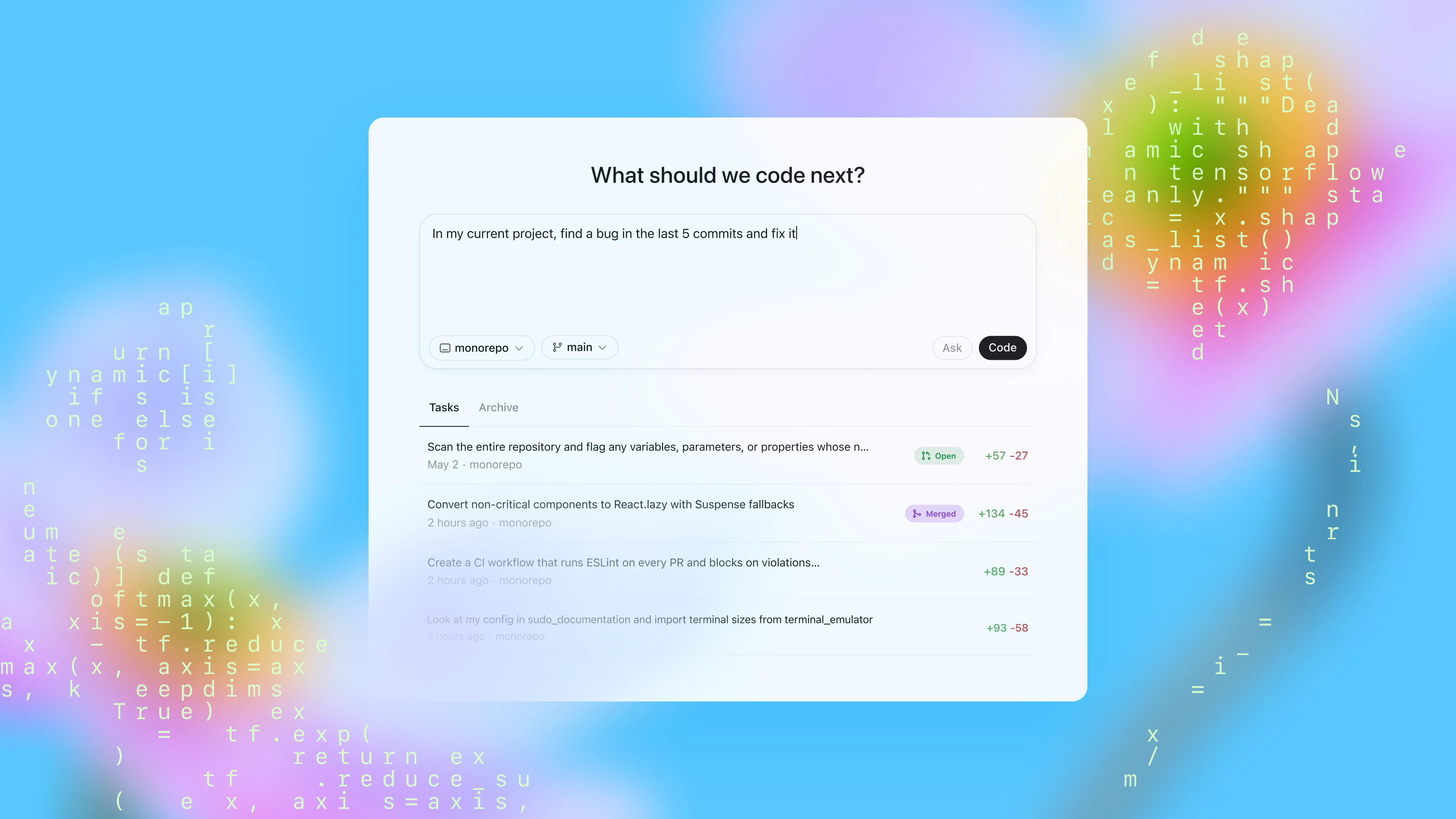
The integration of Codex into ChatGPT provides a chat-first development experience. Instead of switching between tools, you can now code, debug, and build software inside a single interface.
According to OpenAI’s official blog, their goal is to make programming more accessible and intuitive. This aligns with their mission to ensure AI benefits everyone.

5. Who Can Benefit from OpenAI Codex on ChatGPT? 🧠
- ✨ Students learning to code
- ✨ Freelancers and indie developers
- ✨ Software engineers and architects
- ✨ Technical content creators
- ✨ Anyone curious about AI and coding!
The OpenAI Codex software engineering AI agent on ChatGPT is designed for all levels of expertise. It explains code in simple language, which is great for learners, and also provides deep insights for advanced users.

6. Real-Life Applications of OpenAI Codex 💡
Here are some amazing ways developers are using Codex inside ChatGPT:
- ✍️ Building websites and apps from scratch.
- 🔎 Automating repetitive tasks like file conversions.
- 🚀 Creating scripts for data analysis.
- ⚡ Generating boilerplate code to save time.
- 🔧 Integrating with APIs and writing unit tests.
Want to explore more practical use-cases? Check out our post on how AI is changing software development.
7. Limitations and Considerations ⚠️
While OpenAI Codex is powerful, it’s not perfect. It can sometimes:
- Misinterpret ambiguous instructions.
- Suggest inefficient code if the prompt isn’t clear.
- Produce code that works but doesn’t follow best security practices.
Always review and test the code it generates. Think of Codex as a collaborator, not a replacement.
Final Thoughts ✨What is ChatGPT Codex ?
OpenAI releases Codex software engineering AI agent on ChatGPT: What is it and how does it work? Now you know!
This tool is more than just a novelty—it’s transforming how we interact with technology. From writing smarter code to learning programming faster, the OpenAI Codex is an essential assistant for modern developers.
Give it a try in ChatGPT and experience the future of AI-assisted coding firsthand.
Want to learn more about how OpenAI is changing the world? Explore our article on OpenAI tools every developer should know.
✅ FAQ: Understanding ChatGPT’s Code Generation Capabilities
❓ What is the AI behind GitHub Copilot?
GitHub Copilot is powered by a powerful AI model developed by OpenAI. This system is trained to convert natural language into functional code and understands a wide range of programming languages, making it useful for developers and learners alike.
❓ How does it differ from ChatGPT?
While both systems are built on similar architecture, one is focused on conversational tasks, and the other is optimized for software development assistance. The latter interprets developer queries and turns them into code, while ChatGPT handles broader tasks like content generation, explanations, and everyday questions.
❓ Can it build full software applications?
It can significantly accelerate development by offering real-time suggestions, completing code snippets, and automating boilerplate. However, it still requires human oversight, especially for complex logic, security, or performance considerations.
❓ Is this technology available through ChatGPT?
Yes, ChatGPT includes some of the advanced code-writing capabilities originally trained for programming tasks. Users can write prompts in natural language and receive code responses in multiple languages — making it highly useful for prototyping and education.
❓ Who is this tool best suited for?
Students, software engineers, data analysts, and even non-coders can benefit from it. It simplifies coding tasks, supports multiple programming languages, and reduces the barrier to entry for learning development.


