


As the digital world continues to grow, so does the complexity and frequency of cyberattacks. From data breaches to ransomware attacks, hackers have evolved their methods in alarming ways. Whether you’re a cybersecurity student, IT professional, or a concerned internet user, understanding the Cyber Security in types of hacking is crucial to stay ahead of potential threats.
Table Of Content
- 💻 What is Hacking?
- 🧑💻 Types of Hackers Based on Intent
- 1. Black Hat Hackers
- 2. White Hat Hackers
- 3. Gray Hat Hackers
- 4. Script Kiddies
- 5. Hacktivists
- 6. State-Sponsored Hackers (Nation-State Actors)
- 🔍 Common Types of Hacking Attacks
- 1. Phishing Attacks
- 2. Malware Infections
- 3. Brute Force and Dictionary Attacks
- 4. SQL Injection
- 5. Cross-Site Scripting (XSS)
- 6. Man-in-the-Middle (MitM) Attacks
- 7. Denial-of-Service (DoS) and Distributed DoS (DDoS)
- 🧠 Social Engineering – Hacking the Human Mind
- 📚 Real-World Examples of Hacking
- 🔹 Stuxnet Worm (2010)
- 🔹 Sony Pictures Hack (2014)
- 🔹 Equifax Breach (2017)
- 🔹 WannaCry Ransomware (2017)
- 🔹 SolarWinds Hack (2020)
- 🛡️ How to Protect Yourself from Hackers
- 🔐 1. Use Strong, Unique Passwords
- 📲 2. Enable Two-Factor Authentication (2FA)
- 🔄 3. Keep Systems Updated
- 📚 4. Cybersecurity Awareness Training
- 🔍 5. Use Antivirus and Anti-Malware Tools
- 🗂️ 6. Back Up Your Data Regularly
- 🧾 Final Thoughts
This ultimate guide will walk you through different hacker personas, their motives, common hacking techniques, real-world examples, and ways to protect yourself in an increasingly vulnerable digital environment.
💻 What is Hacking?
Hacking is the process of manipulating or exploiting a computer system, network, or digital device without proper authorization. The goal may vary—from stealing sensitive data and financial information to testing system vulnerabilities in order to strengthen security.
Contrary to popular belief, not all hacking is malicious. In fact, ethical hacking (also known as penetration testing or white-hat hacking) plays a critical role in improving cybersecurity.

🧑💻 Types of Hackers Based on Intent
Understanding hacker classifications is the first step toward understanding the broader hacking ecosystem.
1. Black Hat Hackers
These are cybercriminals who exploit security vulnerabilities for illegal purposes, such as stealing data, installing malware, or crashing systems. They are the classic “bad guys” of the digital world.
2. White Hat Hackers
Also known as ethical hackers, these professionals use their skills to identify and fix security loopholes. They are often employed by corporations or governments to test system defenses.
3. Gray Hat Hackers
Operating in the grey zone, these individuals might break into systems without permission but don’t necessarily have malicious intent. Often, they report the vulnerability afterward—but their unauthorized access still poses ethical concerns.
4. Script Kiddies
These are inexperienced individuals who use pre-built tools or scripts to launch basic cyberattacks without a full understanding of how they work. Despite their limited skills, they can still cause significant damage.
5. Hacktivists
Driven by political or ideological motivations, hacktivists use cyberattacks to promote a cause. Notable examples include groups like Anonymous who have targeted government and corporate systems.
6. State-Sponsored Hackers (Nation-State Actors)
Governments often employ highly trained hackers to conduct cyber espionage, attack rival nations, or gather intelligence. These are among the most skilled and well-funded hackers.

🔍 Common Types of Hacking Attacks
Now let’s dive into the most dangerous types of hacking techniques used today.
1. Phishing Attacks
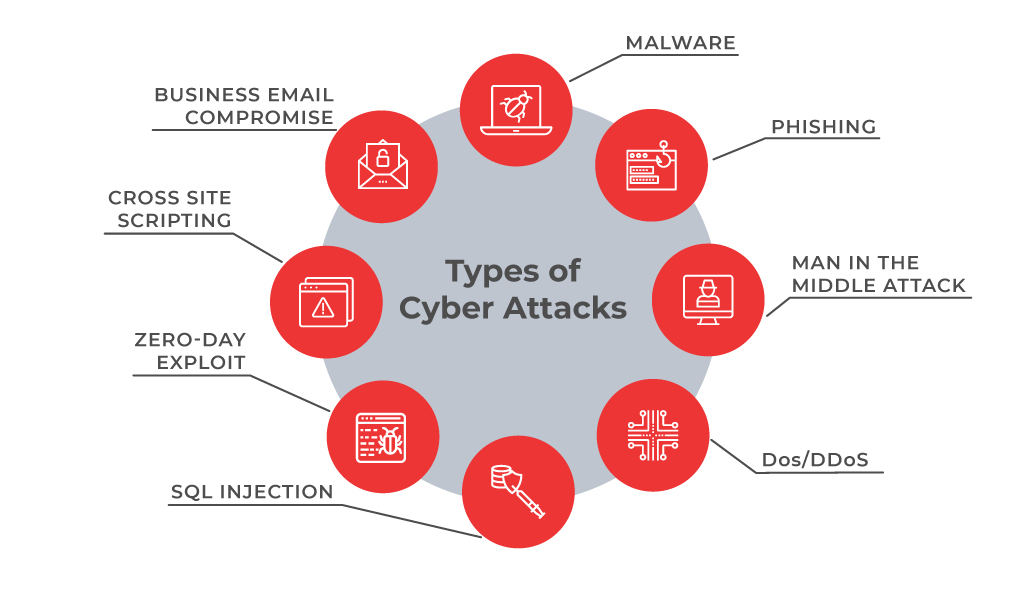
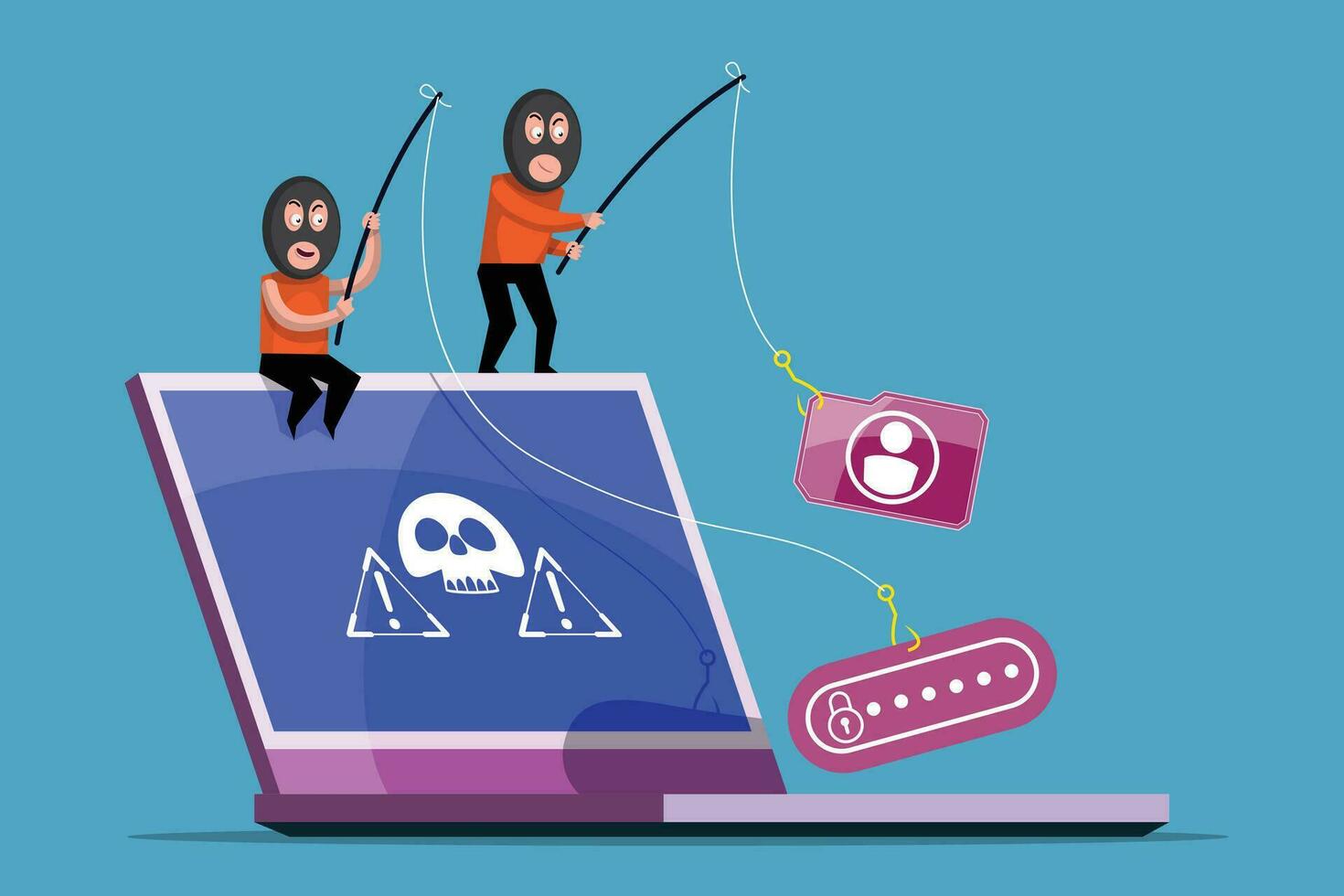
Phishing is a form of social engineering that tricks users into providing sensitive information, usually via fake emails or websites. It’s one of the most common cyberattack vectors targeting individuals and businesses alike.
- Spear Phishing: Targeted phishing aimed at specific individuals or organizations.
- Whaling: Targets high-profile executives.
2. Malware Infections
Malware (malicious software) includes a variety of programs like viruses, worms, ransomware, spyware, and trojans. Once installed, malware can steal data, damage systems, or hold files hostage.
- Ransomware like WannaCry encrypts files and demands payment for decryption.
- Spyware stealthily monitors user activity.
3. Brute Force and Dictionary Attacks
These attacks attempt to crack passwords by trying many combinations until the right one is found. Brute force tools can automate this process, making weak passwords easy to break.
4. SQL Injection
A code injection technique that targets databases. Hackers insert malicious SQL code into input fields to manipulate backend databases and extract confidential information.
5. Cross-Site Scripting (XSS)
In XSS attacks, malicious scripts are injected into trusted websites. These scripts can then hijack sessions, steal cookies, or deface websites.
6. Man-in-the-Middle (MitM) Attacks
The attacker secretly intercepts and potentially alters the communication between two parties. Public Wi-Fi networks are particularly vulnerable to this type of attack.
7. Denial-of-Service (DoS) and Distributed DoS (DDoS)
These attacks flood a system, server, or network with excessive traffic, rendering it unavailable to users. DDoS attacks use multiple systems (often botnets) to increase impact.
🧠 Social Engineering – Hacking the Human Mind
Social engineering is one of the most underestimated yet dangerous types of hacking. Instead of exploiting code, attackers exploit people.
- Pretexting: Creating a fabricated scenario to obtain information.
- Baiting: Luring users with something enticing, like free USB drives loaded with malware.
- Tailgating: Physically following someone into a restricted area.
Hackers often combine social engineering with technical exploits to increase success rates.
📚 Real-World Examples of Hacking
Understanding past cyber incidents helps us grasp the scale and impact of hacking.
🔹 Stuxnet Worm (2010)
Developed allegedly by the U.S. and Israel, this worm disrupted Iran’s nuclear program by targeting SCADA systems.
🔹 Sony Pictures Hack (2014)
Hackers leaked confidential emails, scripts, and employee data. The attack was allegedly state-sponsored.
🔹 Equifax Breach (2017)
Exposed personal data of 147 million Americans due to a failure to patch a known vulnerability.
🔹 WannaCry Ransomware (2017)
One of the most widespread ransomware attacks, affecting hospitals, businesses, and governments globally.
🔹 SolarWinds Hack (2020)
A sophisticated supply chain attack that compromised U.S. federal agencies and major tech firms.
🛡️ How to Protect Yourself from Hackers
While no system is entirely invulnerable, there are effective practices to reduce the risk of hacking:
🔐 1. Use Strong, Unique Passwords
Avoid simple passwords and use a mix of uppercase, lowercase, numbers, and symbols. Use password managers to securely store credentials.
📲 2. Enable Two-Factor Authentication (2FA)
Adds an additional layer of security, making it harder for hackers to access your accounts even with the password.
🔄 3. Keep Systems Updated
Regularly update your operating systems, software, and plugins. Most updates include patches for known vulnerabilities.
📚 4. Cybersecurity Awareness Training
Teach users how to recognize phishing emails, avoid suspicious downloads, and report unusual activity.
🔍 5. Use Antivirus and Anti-Malware Tools
Reliable security software can detect, quarantine, and remove threats before they cause harm.
🗂️ 6. Back Up Your Data Regularly
Always maintain secure, offline backups to recover data in case of a ransomware or other destructive attack.

🧾 Final Thoughts
Hacking is not a one-size-fits-all term—it encompasses a wide spectrum of techniques, motives, and consequences. From criminal syndicates and political activists to security experts and curious teens, the world of hacking is as diverse as it is dangerous.
Staying informed about types of hacking, real-world attack examples, and modern defense strategies is your best bet in protecting yourself and your organization.
If you want to know more about ethical hacking, check out our website www.kaashivinfotech.com for expert training, workshops, and resources.


