

Introduction: What is a Web Crawler and Why Should You Care?
Ever wondered how search engines like Google find, index, and rank billions of web pages? The answer is web crawlers! A web crawler (also known as a web spider or bot) is a tool that automatically scans the internet, gathers data from websites, and indexes it for search engines. But it’s not just for search engines—businesses, researchers, marketers, and journalists use web crawlers for data scraping, data mining, market research, SEO, and competitive analysis.
Whether you’re a business owner tracking competitors, a marketer optimizing SEO, or a researcher collecting data, web crawlers can automate time-consuming tasks and save you hours of manual work. In today’s data-driven world, that’s priceless!
Key Highlights
-
🕷️ Discover what web crawlers are and why they matter.
-
🇮🇳 Explore top web crawlers in India for data scraping and market research.
-
💸 Learn about real-world use cases and pricing in INR.
-
📝 Get tips on choosing the right web crawler for your needs.
Why Use Web Crawler for Data Scraping and Market Research?
Web crawlers simplify complex data collection and analysis tasks. Here’s why they matter:
🗃️ Data Collection: Automatically scrape large datasets from websites, turning unstructured data into actionable insights. For example, an e-commerce site can track competitor pricing in real time.
📊 Market Research: Stay ahead of industry trends, track competitors, and analyze customer behavior.
🔍 SEO & Content Strategy: Analyze keywords, search rankings, and competitor content to optimize your strategy.
💡 Business Intelligence: Make data-driven decisions with insights from industry trends, customer preferences, and competitor behavior.
💬 Social Media Monitoring: Track hashtags, mentions, and user engagement across social platforms.
👉 Web crawlers play a crucial role in SEO strategies by gathering data on keywords, backlinks, and competitor performance. To dive deeper into the top SEO tools for 2025 and how they can help your website rank higher, check out Best SEO Tools in 2025: 10 Game-Changing Tools to Rank High.
Who Needs A Web Crawler?
💼 Businesses: For pricing analysis, product monitoring, and competitor research.
🎯 Marketers: For keyword research, SEO insights, and content strategy.
🧑🔬 Researchers: For gathering structured data from online sources.
📰 Journalists: For news tracking and data-based storytelling.
📊 Investors: For market trend analysis and monitoring company performance.
Common Challenges and Pitfalls in Web Crawling
Web crawling isn’t always smooth sailing—there are challenges you need to consider:
🚫 IP Blocking & Anti-Scraping Measures: Websites may block frequent requests. Use proxies or rotating IPs to avoid getting banned.
⚖️ Legal Considerations: Always respect website terms and data privacy regulations. Non-compliance can lead to legal trouble.
🔄 Handling Dynamic Content: JavaScript-heavy sites can be tricky. Opt for tools that handle dynamic rendering.
🗃️ Data Formatting Issues: Extracted data can be messy. Use tools that offer clean and structured output.
Top 7 Web Crawlers for Data Scraping and Market Research in India (2025)
Here’s my take on the best web crawlers for data scraping and market research in India.
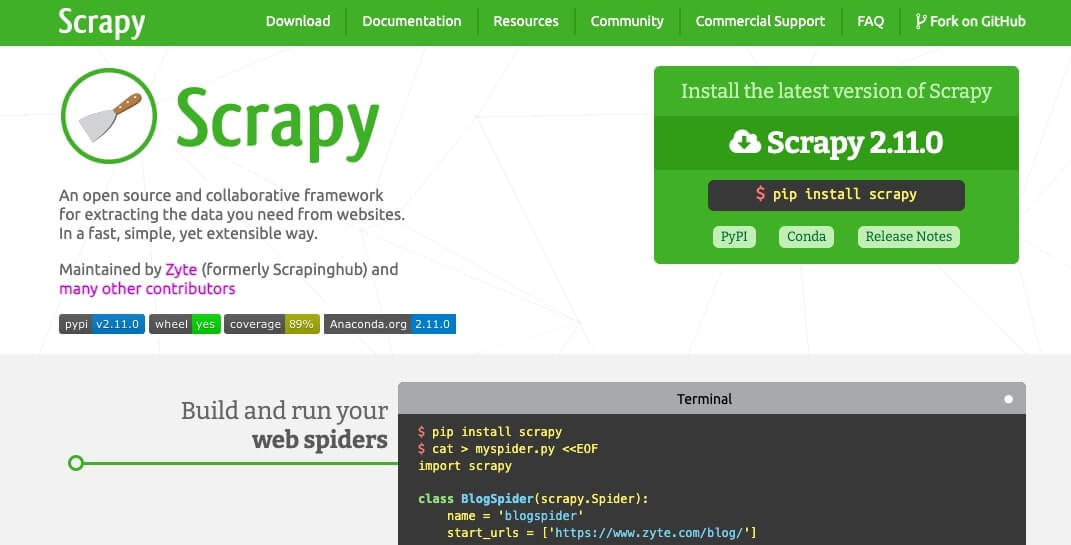
1. Scrapy
If you love coding and don’t mind a bit of Python, Scrapy is your jam. It’s an open-source framework built for developers who need a flexible, scalable solution.
Purpose: Open-source framework for large-scale data scraping
Best For: Developers and data scientists
Key Features:
- Highly customizable
- Supports APIs and custom scripts
- Efficient for large-scale scraping
Pros: Flexible, scalable, free
Cons: Requires Python knowledge
Pricing: Free
Ease of Use: Moderate
Why It Stands Out: Ideal for complex data projects.
2. Octoparse
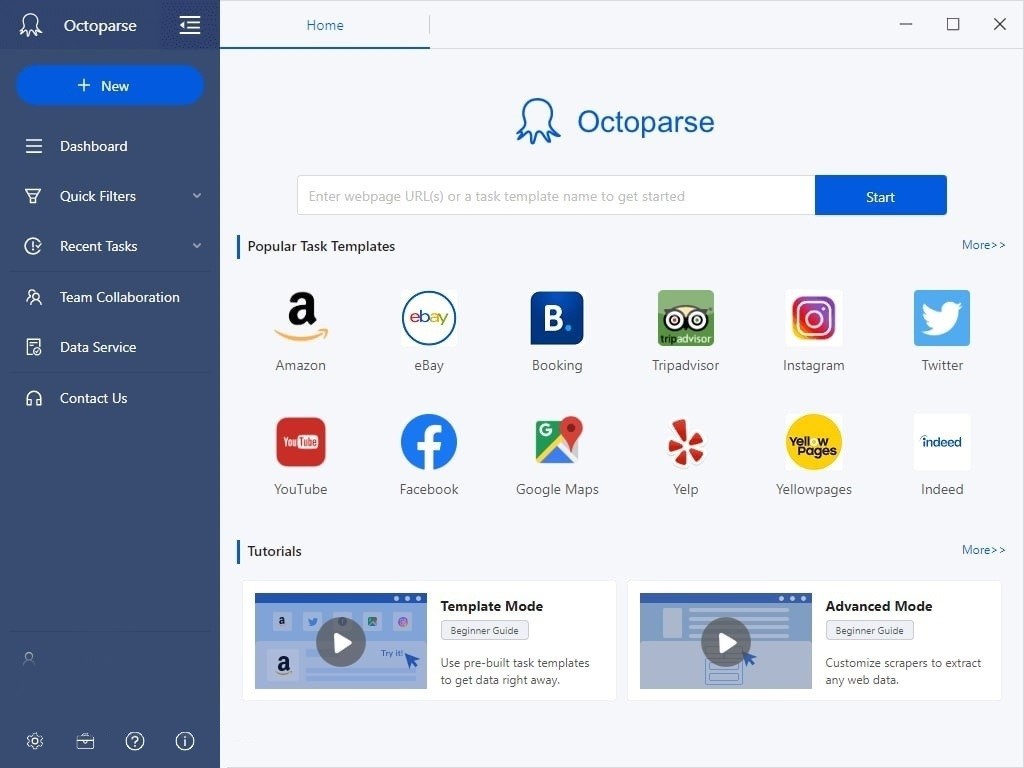
For those who cringe at the thought of coding, Octoparse is a lifesaver. It’s a no-code, point-and-click tool that feels like magic—no tech skills needed.
Purpose: No-code tool for easy web scraping
Best For: E-commerce data extraction and social media monitoring
Key Features:
- Cloud-based with scheduling options
- Handles complex sites
- Point-and-click interface
Pros: No coding needed, beginner-friendly
Cons: Can get pricey for advanced features
Pricing: Free plan, premium plans start around ₹4,500/month
Ease of Use: Very easy
Why It Stands Out: Perfect for beginners and businesses looking for quick insights.
3. ParseHub
ParseHub is a visual web scraping tool designed for dynamic sites—think JavaScript-heavy websites.
Purpose: Scraping dynamic websites
Best For: Market research and competitor tracking
Key Features:
- Handles JavaScript-heavy sites
- Visual interface
- Allows custom data selection
Pros: Versatile, no coding required
Cons: Free plan has limitations
Pricing: Free for up to 200 pages, paid plans from ₹5,000/month
Ease of Use: Easy
Why It Stands Out: Handles dynamic content with ease.

4. WebHarvy
WebHarvy makes data extraction feel like a breeze. It’s designed for those who want power without the hassle of coding.
Purpose: Point-and-click web scraper for product and image data
Best For: E-commerce businesses and researchers
Key Features:
- Automatic pattern detection
- Proxy support for anonymous scraping
- Supports image and text extraction
Pros: User-friendly, powerful for e-commerce
Cons: Paid tool, limited trial
Pricing: Paid (trial available)
Ease of Use: Very easy
Why It Stands Out: Great for non-tech users.

5. BrightData (formerly Luminati)
If you need serious firepower for massive data extraction, BrightData is a beast. It’s perfect for enterprises and agencies handling millions of requests.
Purpose: High-volume data extraction with proxy networks
Best For: Large-scale businesses and agencies
Key Features:
- Rotating IPs to avoid blocking
- Geo-targeting for local data
- Handles millions of requests
Pros: Powerful and scalable
Cons: Expensive, complex setup
Pricing: Paid (high cost for large-scale use)
Ease of Use: Advanced
Why It Stands Out: Best for professional-grade data extraction.

6. Google Web Scraper
For SEO professionals and content creators, Google Web Scraper is a great way to scrape Google search results.
Purpose: Scraping search results for SEO insights Best For: SEO professionals and content creators Key Features:
- Direct Google search scraping
- Simple and lightweight
- Fast results
Pros: Free, simple
Cons: Limited to Google search results
Pricing: Free
Ease of Use: Beginner-friendly
Why It Stands Out: Perfect for quick SEO insights.

7. Content Grabber
Content Grabber is for the big leagues. This enterprise-level tool delivers on performance but requires some tech know-how.
Purpose: Enterprise-level web scraping for large businesses
Best For: Business intelligence and large-scale projects
Key Features:
- Custom scripts and automation
- Handles complex site structures
- Powerful API support
Pros: Robust and feature-rich
Cons: Expensive and complex
Pricing: Paid
Ease of Use: Moderate
Why It Stands Out: For high-volume data extraction.

Here’s a look at the top tools available today, their strengths, and how much they cost in INR.
| Web Crawler | Purpose | Users | Features | Pricing (INR) | Ease of Use |
|---|---|---|---|---|---|
| Scrapy | Open-source framework for developers | 50K+ (Global) | API support, customizable | Free | Moderate |
| Octoparse | No-code visual tool | 500K+ (Global) | Cloud-based, scheduling | Free (Basic), ₹7,500/mo (Pro) | Beginner-Friendly |
| ParseHub | Visual tool for dynamic sites | 200K+ (Global) | Handles JavaScript, visual UI | Free (200 pages), ₹8,000/mo (Pro) | Easy |
| WebHarvy | Point-and-click scraper | Popular in India | Pattern detection, proxy support | ₹10,000 (One-Time) | Very Easy |
| BrightData | Enterprise-grade scraping | Large businesses | Rotating IPs, geo-targeting | Starting at ₹15,000/mo | Advanced |
| Google Web Scraper | Google search scraping | SEO specialists | Simple, fast | Free | Beginner-Friendly |
| Content Grabber | For enterprises | Corporations | API, custom scripts | ₹35,000 (One-Time) | Moderate |
How to Choose the Right Web Crawler?
🌱 For Beginners: Octoparse, ParseHub, Google Web Scraper
🛒 For E-commerce: WebHarvy, Octoparse
🔍 For SEO & Competitive Analysis: Scrapy, BrightData
💾 For Large-Scale Data Mining: BrightData, Content Grabber
Real-World Use Cases of Web Crawler
- E-commerce: Track competitor prices, product availability, and trends. Example: An online retailer uses Octoparse to monitor prices on Amazon.
- SEO & Marketing: Use Scrapy for keyword analysis and SEO research.
- Journalism: ParseHub can gather data from multiple news sites to find trends.
- Research: WebHarvy scrapes data from e-commerce sites for market research.
Final Thoughts: The Power of Web Crawler
Web crawler is an essential tools in the digital age. Whether you’re running a business, performing research, or building a marketing strategy, they save time, unlock insights, and give you a competitive edge. Choose the right one based on your needs and get started today!
👉 “As a final thought, while web crawlers can be incredibly powerful for data extraction, they often face security challenges, especially when dealing with protected sites. It’s essential to understand the security landscape and how vulnerabilities can be identified and mitigated. For those interested in learning more about securing data scraping projects, the Penetration Testing Tools Cheat Sheet is a valuable resource.
Ready to dive in? Try one of these web crawlers and experience the benefits for yourself!


