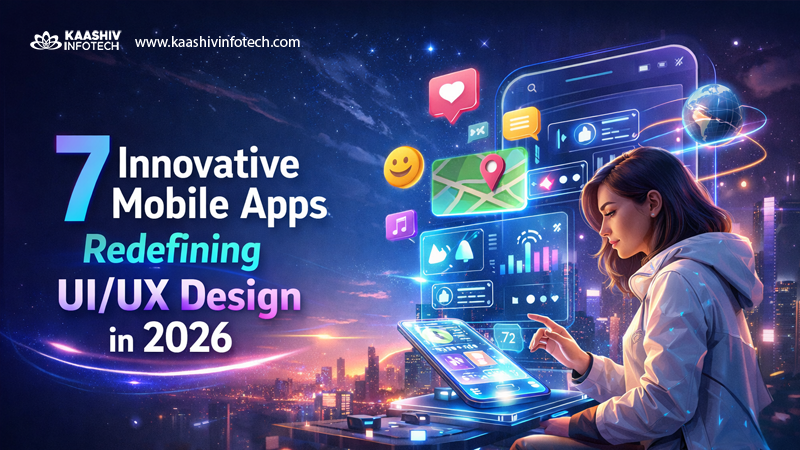
Mobile App Design – The world of mobile applications in 2026 is defined by more than just functionality—it’s driven by experience, intelligence, and innovation. Users today expect apps to be intuitive, fast, and emotionally engaging. As a result, UI/UX design has evolved into a critical factor that determines an app’s success or failure.
Modern mobile apps are no longer limited to traditional layouts and navigation patterns. Instead, they are embracing AI-powered interfaces, gesture-based controls, minimalistic design systems, and immersive user journeys. The goal is simple: reduce friction and create a seamless interaction between the user and the technology.
In this article, we explore seven mobile apps that stand out in 2026 for their unique UI/UX design, offering fresh perspectives on how digital experiences can be reimagined.
7 Innovative Mobile App Design
1. Arc Search – Minimal AI Browser
Arc Search is redefining how users interact with the web by eliminating clutter and focusing on AI-driven simplicity. Unlike traditional browsers filled with tabs and menus, Arc Search offers a clean and fluid interface.
The app introduces a “Browse for me” feature, where AI summarizes search results into a single, easy-to-read page. This drastically reduces the time users spend navigating multiple websites. Its gesture-based navigation further enhances usability, making browsing feel smooth and natural.
What truly sets Arc Search apart is its ability to blend AI with minimal design, creating an experience that feels effortless and futuristic.
2. BeReal – Authentic Social UI
BeReal challenges the norms of social media by focusing on authenticity over aesthetics. Its UI/UX design is intentionally simple, removing filters, edits, and curated feeds.
At a random time each day, users are prompted to capture a photo using both front and back cameras simultaneously. This unique interaction design creates a sense of urgency and realism, encouraging users to share unfiltered moments.
The minimal interface ensures that users are not overwhelmed, while the concept itself redefines engagement. BeReal proves that less design can sometimes create more meaningful experiences.
3. Cleo – Conversational Finance UI
Cleo transforms financial management into a chat-based interaction, moving away from traditional dashboards filled with graphs and numbers.
Users interact with Cleo through a conversational interface, receiving insights, spending analysis, and budgeting advice in a friendly, human-like tone. The app even incorporates humor, making financial discussions less intimidating.
This approach demonstrates how UI/UX can evolve from static interfaces to dynamic, personality-driven experiences, making complex tasks feel simple and engaging.
4. Locket Widget – Widget-Based Social UX
Locket Widget introduces a completely new way of interacting with social media by shifting the experience outside the app itself.
Instead of opening an app and scrolling through feeds, users receive photos directly on their home screen widget. This eliminates the need for navigation and creates a passive, yet meaningful interaction.
The simplicity of this design is its strength. By reducing steps and focusing on close connections, Locket delivers a frictionless and intimate user experience that feels both modern and refreshing.
5. Superhuman – Speed-Centric Email Design
Superhuman reimagines email with a focus on speed, efficiency, and minimalism. Its UI is designed for power users who value time and productivity.
The app relies heavily on keyboard shortcuts, allowing users to navigate and manage emails without touching the screen. Animations are smooth and fast, ensuring there is no delay in interactions.
By prioritizing performance and reducing visual clutter, Superhuman creates an experience where users can process emails quickly and effectively. It showcases how UX design can significantly improve productivity.
6. Endel – Adaptive Audio UX
Endel takes a unique approach by focusing on audio-first user experience. Instead of relying heavily on visuals, the app creates personalized soundscapes based on factors like time, weather, and user activity.
The interface is minimal, with soft animations and calming visuals that complement the audio experience. This design ensures that users remain focused without distractions.
Endel represents the future of UX, where apps adapt to users in real time and provide ambient, almost invisible interactions.
7. Niantic Campfire – Map-Based Social UI
Niantic Campfire blends social networking with real-world interaction through a map-based interface. Users can explore locations, join communities, and interact with others based on their geographic position.
The UI is built around an interactive map, making navigation intuitive and visually engaging. Real-time updates and location-based features create a dynamic experience that evolves constantly.
This app demonstrates how UI/UX can extend beyond screens and integrate with the physical world, offering a hybrid digital-physical experience.
Key UI/UX Trends Reflected in These Apps
The success of these apps is not accidental—they are built on strong design principles that define 2026:
- AI Integration: Interfaces adapt and respond intelligently to user behavior
- Minimalism: Clean layouts reduce cognitive load and improve usability
- New Interaction Models: Chat-based, widget-based, and map-based designs
- Speed & Efficiency: Faster interactions lead to better user satisfaction
- Context Awareness: Apps respond to real-time data like location, time, and activity
These trends highlight a shift from static interfaces to dynamic, user-centered experiences.
Conclusion
The mobile apps of 2026 are setting new standards in UI/UX design by focusing on simplicity, intelligence, and innovation. Each app on this list demonstrates a unique approach—whether it’s AI-driven browsing, widget-based interaction, or conversational interfaces.
What makes these apps truly exceptional is their ability to solve user problems while delivering a delightful experience. They go beyond traditional design patterns and explore new ways of interaction, making technology feel more human and accessible.
As we move forward, UI/UX design will continue to evolve, driven by advancements in AI, personalization, and immersive technologies. The apps that succeed will be those that not only look good but also understand and adapt to their users.
Want to Learn UI/UX + AI? Start Here
 If you’re curious, I highly recommend checking out the UI/UX courses by Kaashiv Infotech. They offer hands-on training, real-world projects, and even AI integration in the curriculum.
 Visit: www.kaashivinfotech.com