Backend Development Skills
Backend development skills are the backbone of modern web and software applications. Whether you’re building APIs, managing databases, or ensuring server-side logic runs smoothly, mastering key backend skills is essential for any developer. In 2025, the demand for skilled backend developers continues to rise, with employers seeking professionals proficient in programming languages like Java, Python, and Node.js, along with knowledge of databases, cloud platforms, and security best practices. This guide will walk you through the most in-demand backend development skills you need to stand out in today’s competitive tech landscape.
Table Of Content
- Backend Development Skills
- What is Backend Development?
- Backend Developer’s Role
- A backend developer is responsible for
- Top 10 Back End Developer Skills
- 1.Backend Programming Languages
- 2.Knowledge of Databases
- 3.Knowledge of APIs
- 4.Knowledge of Servers
- 5.Knowledge of Front-End Technology
- 6.Knowledge of Back-End Frameworks
- 7.Version Control System
- 8.DSA (Data Structures and Algorithms)
- 9.Problem Solving
- 10.Communication Skills
- Backend Developer Job Description
- Conclusion
- FAQ’S Backend Developer Skills to Master in 2025 (Including java backend developer skills)
- 📚 Related Reads
What is Backend Development?
- Backend Development, also known as server-side development, encompasses everything that users don’t see directly but is essential for the functionality of a website or application. It involves managing databases, backend logic, APIs, and servers.
- The backend of a website consists of servers, applications, and databases. Backend developers write code that enables browsers to communicate with databases, store and retrieve data, and handle various operations like data updates and deletions.
For example, when you submit your details on a website, the data is sent to a server, processed, and stored in a database. This entire process occurs behind the scenes, making it part of the backend.
Backend Developer’s Role

A backend developer is responsible for
- Building the structural foundation of software applications.
- Collaborating with cross-functional teams, including frontend developers, designers, product managers, and testers.
- Developing APIs to enable data communication.
- Ensuring data security, user authentication, and access control.
- Optimizing application performance and scalability.
- Troubleshooting and debugging backend code.
Top 10 Back End Developer Skills
1.Backend Programming Languages
Proficiency in programming languages like Python, Java, Ruby, Node.js, PHP, or C#.

2.Knowledge of Databases
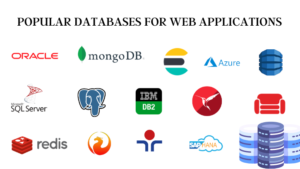
Understanding of database management systems (DBMS) like MySQL, PostgreSQL, MongoDB, or Redis.
3.Knowledge of APIs
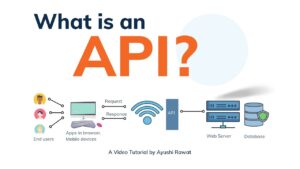
Creating and using APIs for communication between different parts of an application or external services.
4.Knowledge of Servers
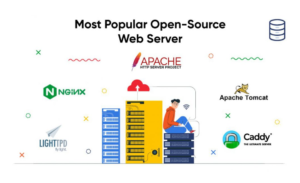
Familiarity with web servers (e.g., Apache, Nginx) and application servers (e.g., Tomcat, Express.js).
5.Knowledge of Front-End Technology
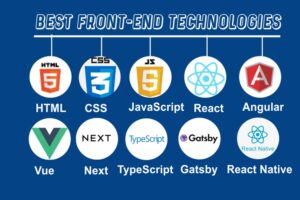
Basic knowledge of frontend technologies such as HTML, CSS, and JavaScript.
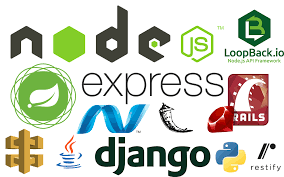
6.Knowledge of Back-End Frameworks
Proficiency in backend frameworks like Django, Ruby on Rails, Express.js, etc.
7.Version Control System
Usage of version control systems like Git for code collaboration.
8.DSA (Data Structures and Algorithms)
Understanding of data structures and algorithms for optimized code.
9.Problem Solving
Strong problem-solving skills to identify and resolve issues.
10.Communication Skills
Effective communication for collaborating with team members and clients.
Backend Developer Job Description

- Backend developers collaborate with various teams to develop, optimize, and maintain the backend of web applications. Their responsibilities include:
- Writing APIs and backend algorithms.
- Coordinating with frontend developers for efficient data transfer.
- Collaborating with project managers and QA engineers for a quality user experience.
- Optimizing application performance and responsiveness.
- Analyzing requirements and handling bugs and errors.
- Managing and developing APIs for data communication.
- Ensuring system security and best practices.
- Writing reusable code and libraries.
Conclusion
Backend development is a crucial role in the rapidly evolving web landscape. With the increasing demand for web-based services, a career in backend development offers exciting opportunities for those who are passionate about building the foundation of modern web applications.
FAQ’S Backend Developer Skills to Master in 2025 (Including java backend developer skills)
1. What is backend development?
Backend development, also called server-side development, is a core part of backend developer skills. It involves building the logic, database interactions, and server configurations that power the behind-the-scenes of web applications.
2. Why are backend programming languages essential for a backend developer?
Backend developer skills require mastery over languages like Java, Python, and Ruby. These languages are the foundation for creating APIs, managing databases, and running server-side operations efficiently.
3. What is the significance of knowledge of databases for a backend developer?
Database management is one of the most vital backend developer skills. Whether working with SQL or NoSQL databases, a backend developer must understand how to store, query, and organize data for fast and secure application performance.
4. How do APIs benefit backend developers?
A crucial component of backend developer skills is the ability to build and integrate APIs (Application Programming Interfaces). APIs allow communication between services, enabling features like authentication, payment processing, and third-party integrations.
5. Why is server knowledge important for backend developers?
Server management, including deployment and configuration using tools like Apache, Nginx, or cloud platforms, is an essential backend developer skill. This is especially true for those pursuing Java backend developer skills, where understanding Java application servers is key to scalability and performance.
📚 Related Reads