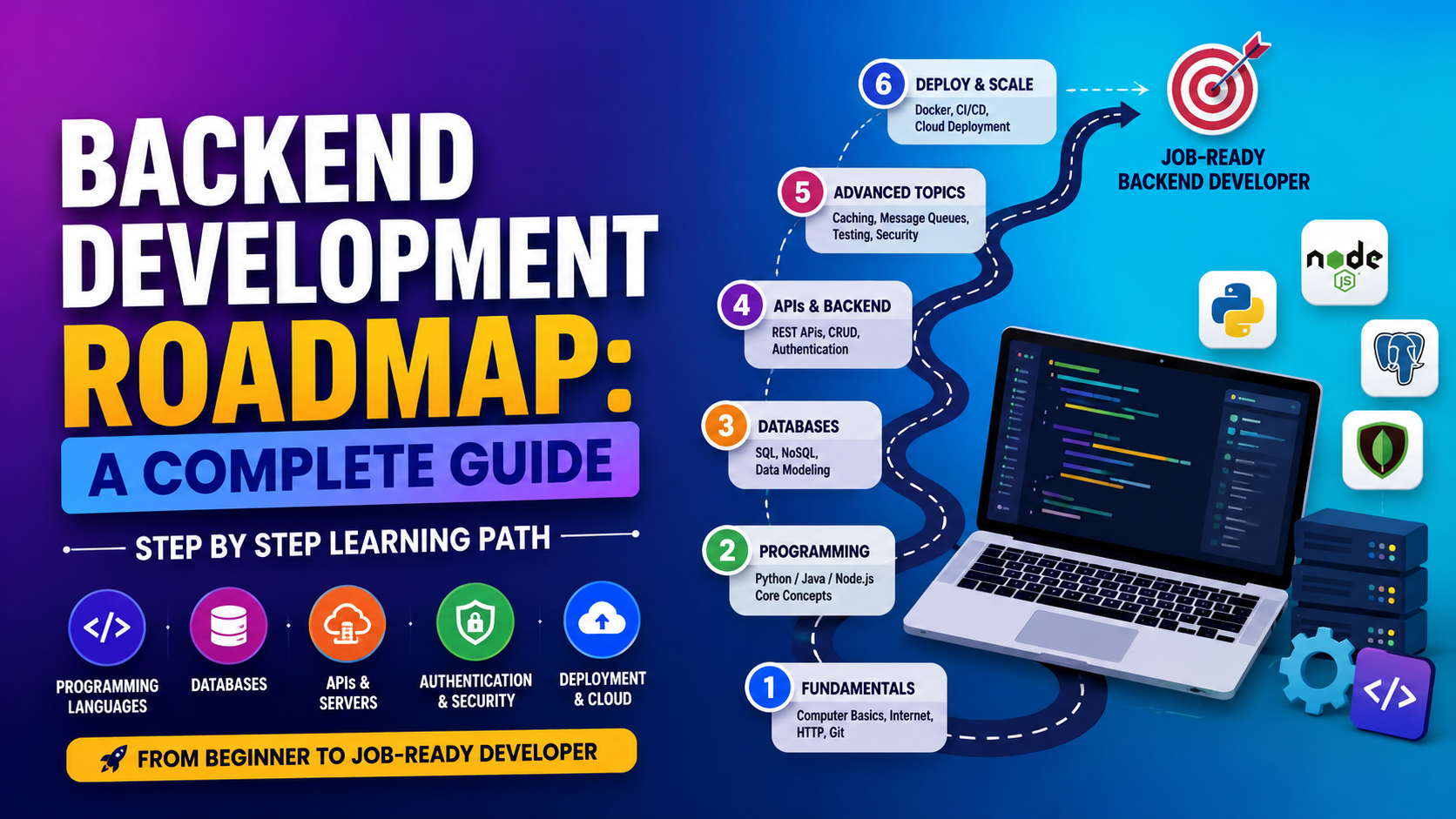
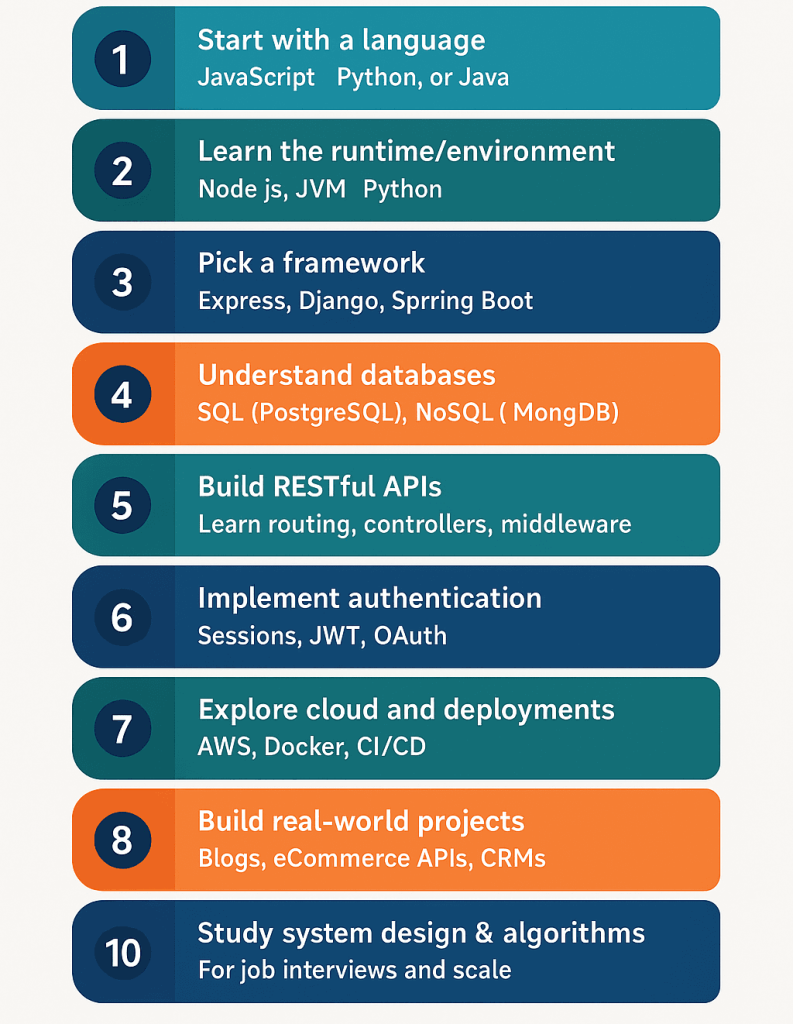
Backend Development Roadmap: A Complete Guide — if you’re wondering where to start, what technologies to learn, and how to become a backend developer in 2026, you’re in the right place.
When I first started learning web development, I spent weeks jumping between YouTube videos, blogs, and tutorials. Everyone seemed to have a different roadmap. One person said, “Learn Java first.” Another said, “Go with Python.” Someone else insisted that Node.js was the future.
Honestly, it was confusing.
That’s why I created this Backend Development Roadmap: A Complete Guide. I’ll walk you through every important step in a simple, practical way so you can build a strong foundation and avoid wasting time.
Whether you’re a student, career switcher, or aspiring software engineer, this roadmap will help you understand exactly what to learn and in what order.
Key Highlights 📌
- Understand what backend development is
- Learn the complete Backend Development Roadmap: A Complete Guide
- Discover the programming languages used by backend developers
- Master databases, APIs, and server-side technologies
- Learn deployment and cloud fundamentals
- Build real-world backend projects
- Prepare for backend developer interviews
- Become job-ready in 2026
What Is Backend Development?
Before diving into the Backend Development Roadmap: A Complete Guide, let’s understand what backend development actually means.
Think about ordering food online.
You open an app, browse restaurants, place an order, and make a payment.
What happens behind the scenes?
A lot.
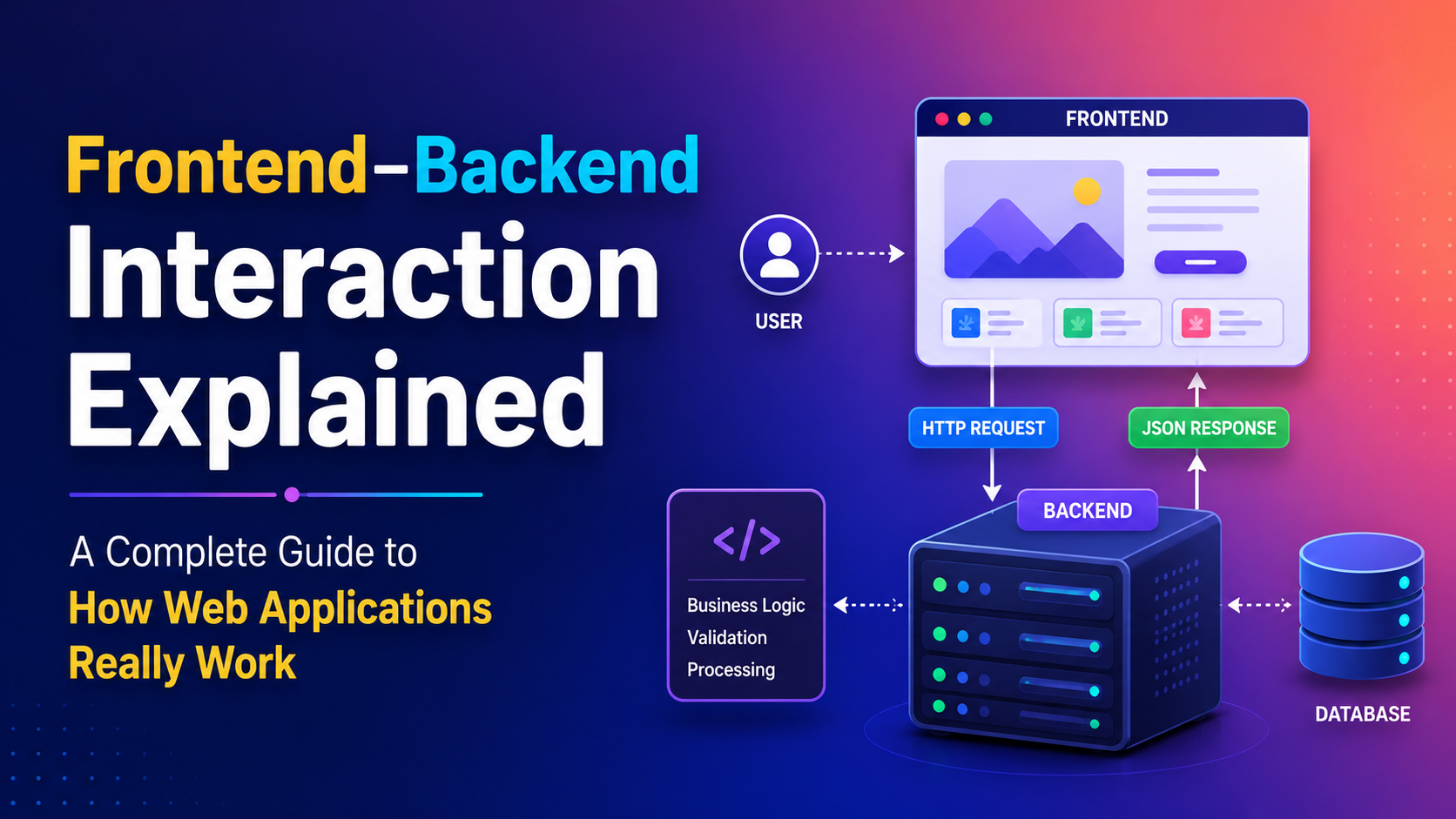
The backend handles:
- User authentication
- Database storage
- Payment processing
- Business logic
- Order management
- Notifications
In simple terms, the backend is the engine that powers a website or application.
The frontend is what users see.
The backend is what makes everything work.
Why Learn Backend Development in 2026? 🤔
I often hear students ask:
“Is backend development still a good career?”
Absolutely.
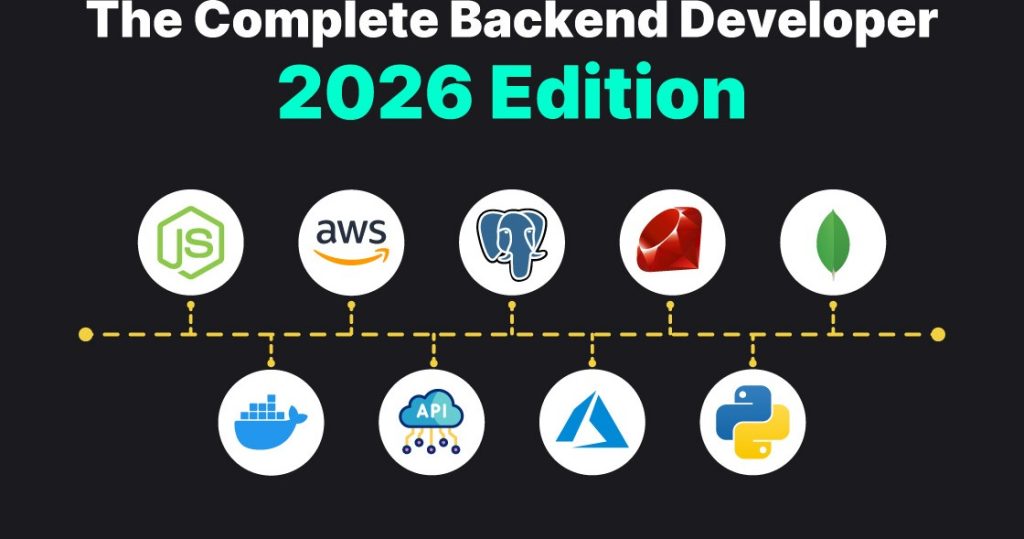
In fact, with AI, cloud computing, fintech, healthcare technology, and SaaS platforms growing rapidly, skilled backend developers are more valuable than ever.
Backend developers are needed in:
- Startups
- Product companies
- E-commerce businesses
- Banks
- Healthcare companies
- Government projects
- Cybersecurity firms
The demand isn’t slowing down.
Step 1: Learn How the Internet Works 🌐
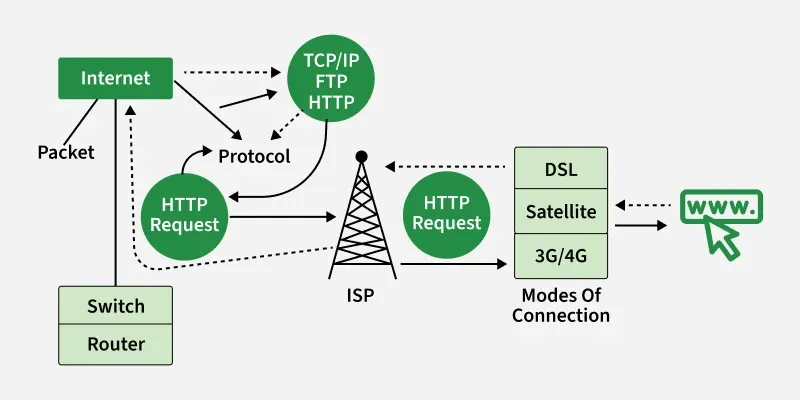
The first step in the Backend Development Roadmap: A Complete Guide is understanding how websites communicate.
Learn:
- HTTP and HTTPS
- DNS
- Domains and hosting
- Client-server architecture
- Request-response cycle
When I finally understood how a browser talks to a server, everything else became much easier.
Helpful Resources
External Link:
- Mozilla Developer Network (MDN): https://developer.mozilla.org
Step 2: Learn a Programming Language 💻
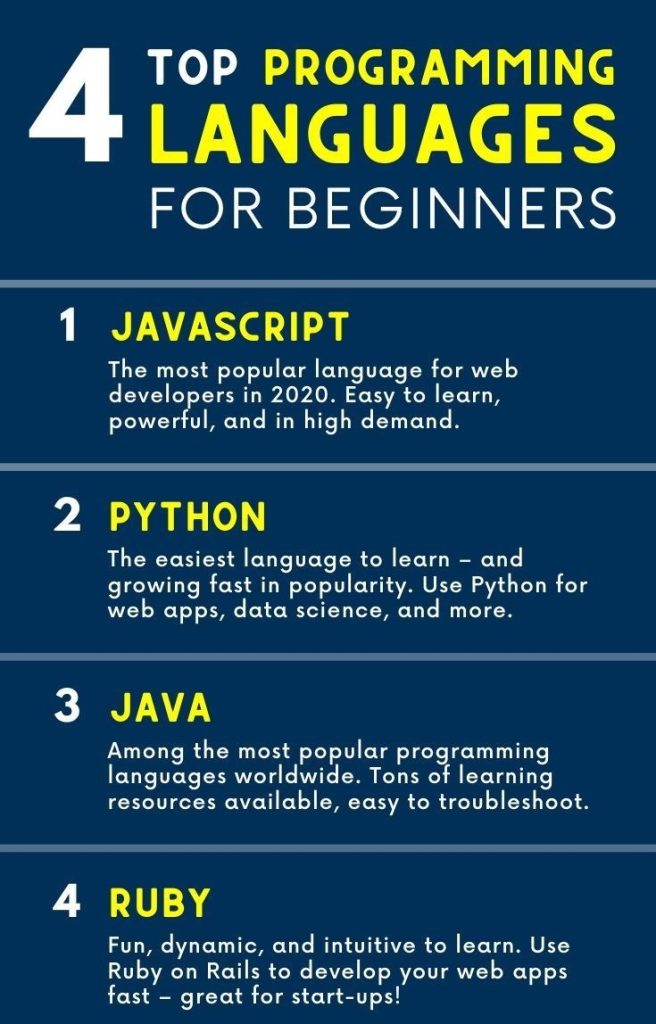
The next step in the Backend Development Roadmap: A Complete Guide is choosing a backend language.
Popular options include:
Python
Best for:
- Beginners
- Web applications
- AI integration
Framework:
- Django
- Flask
- FastAPI
Java
Best for:
- Enterprise applications
- Banking systems
Framework:
- Spring Boot
JavaScript
Best for:
- Full-stack development
Framework:
- Node.js
- Express.js
C#
Best for:
- Enterprise software
- Microsoft ecosystem
Framework:
- ASP.NET Core
My advice?
Pick one language and stick with it until you’re comfortable.
Don’t chase trends every month.
Step 3: Learn Data Structures and Algorithms
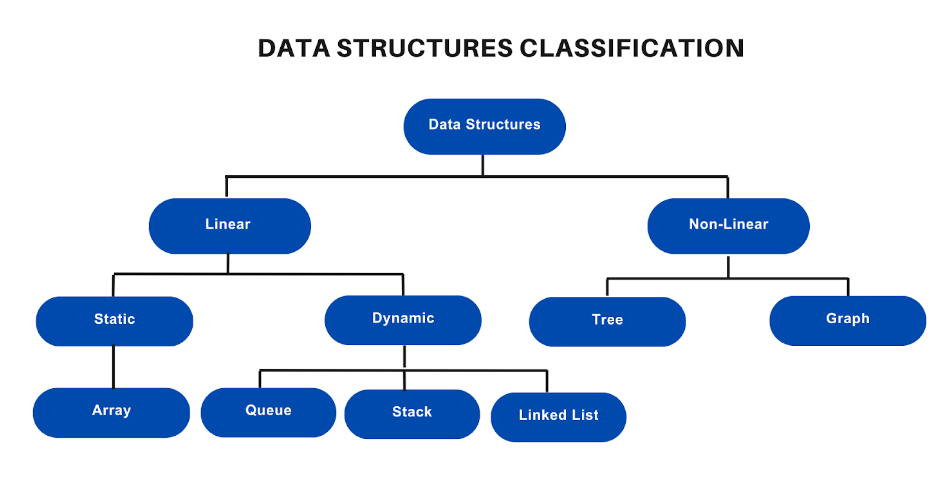
A strong backend developer understands how data works.
Focus on:
- Arrays
- Linked Lists
- Stacks
- Queues
- Trees
- Hash Tables
- Sorting Algorithms
- Searching Algorithms
Why does this matter?
Because technical interviews often test problem-solving skills.
More importantly, efficient code saves server resources.
Step 4: Master Databases 🗄️
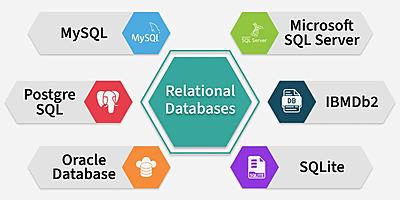
No Backend Development Roadmap: A Complete Guide is complete without databases.
Almost every application stores data.
Examples:
- User accounts
- Orders
- Payments
- Product details
SQL Databases
Learn:
- MySQL
- PostgreSQL
Important concepts:
- Tables
- Relationships
- Primary Keys
- Foreign Keys
- Joins
- Indexing
NoSQL Databases
Learn:
- MongoDB
Best for:
- Flexible data structures
- Large-scale applications
Practice writing queries daily.
Trust me—it pays off.
Step 5: Learn APIs and REST Architecture 🔌
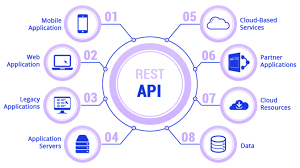
Modern applications communicate through APIs.
Imagine:
- A food delivery app
- A payment gateway
- A weather application
All these systems exchange information through APIs.
Learn:
- REST APIs
- JSON
- CRUD operations
- HTTP methods
Examples:
- GET
- POST
- PUT
- DELETE
Once I built my first API, I finally felt like a real backend developer.
Step 6: Learn Authentication and Security 🔒
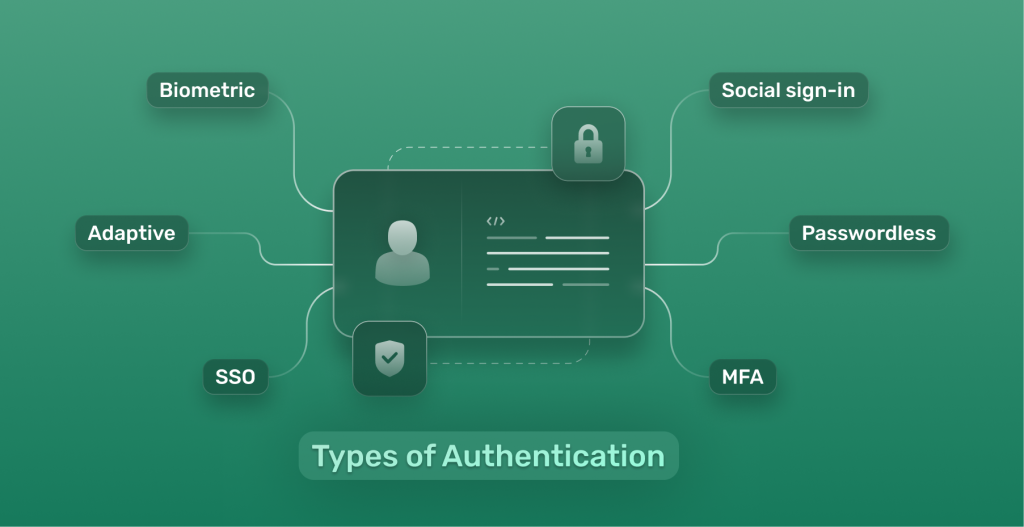
Security isn’t optional.
Many beginners ignore it until much later.
Don’t make that mistake.
Important topics:
- Authentication
- Authorization
- JWT Tokens
- Password Hashing
- OAuth
- Session Management
Security knowledge makes you a better developer and helps protect users’ data.
Step 7: Learn Git and GitHub
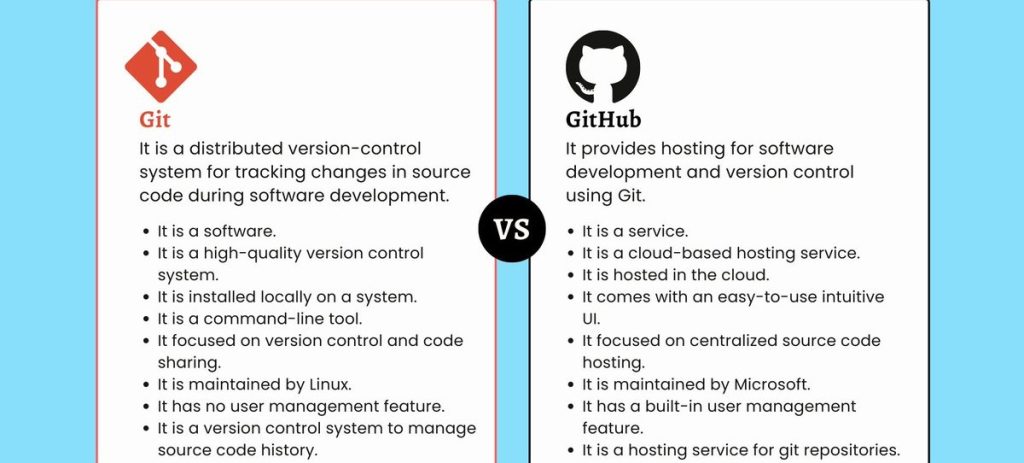
Every professional developer uses version control.
Learn:
- Git Basics
- Commits
- Branching
- Merging
- Pull Requests
Create a GitHub profile and upload your projects regularly.
Internal Link Suggestion:
- Complete Git and GitHub Tutorial for Beginners
Step 8: Learn Backend Frameworks ⚡
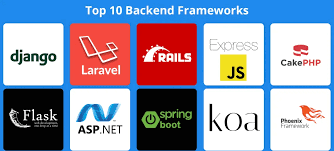
Frameworks speed up development.
Choose based on your programming language.
Python
- Django
- Flask
- FastAPI
Java
- Spring Boot
JavaScript
- Express.js
- NestJS
C#
- ASP.NET Core
Most companies prefer candidates who know at least one framework well.
Step 9: Learn Caching and Performance Optimization
As applications grow, performance becomes critical.
Important technologies:
- Redis
- Memcached
Concepts:
- Caching
- Load Balancing
- Query Optimization
These skills separate junior developers from experienced ones.
Step 10: Learn Cloud Computing ☁️
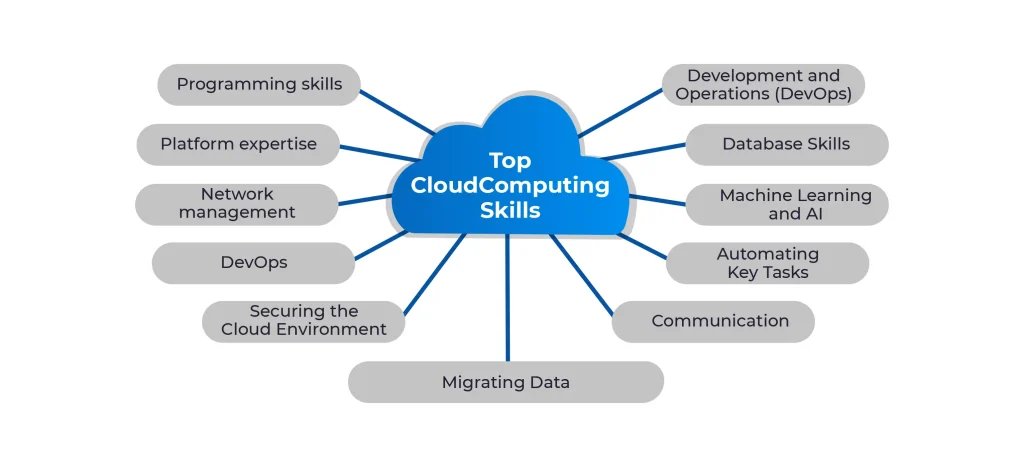
Cloud knowledge is becoming essential.
Popular platforms:
- Amazon Web Services (AWS)
- Microsoft Azure
- Google Cloud Platform
Learn:
- Virtual Machines
- Storage
- Databases
- Cloud Deployment
Many modern backend applications run entirely in the cloud.
Step 11: Learn Docker and Containers 🐳
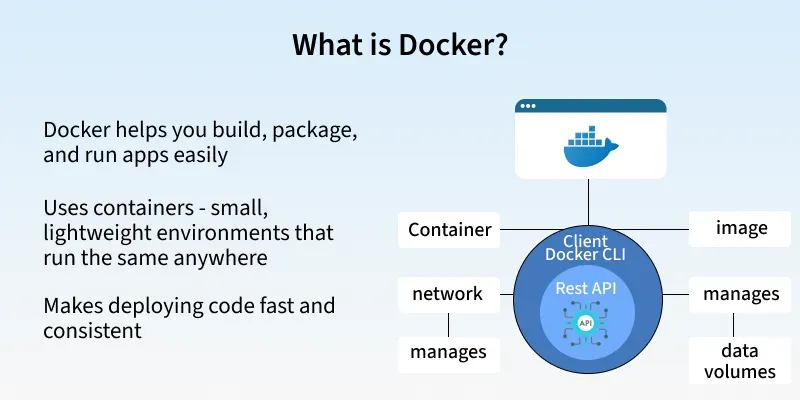
Docker helps developers package applications consistently.
Benefits:
- Easy deployment
- Environment consistency
- Better scalability
Learn:
- Docker Images
- Containers
- Docker Compose
Many backend jobs now expect basic Docker knowledge.
Step 12: Build Real Projects 🚀
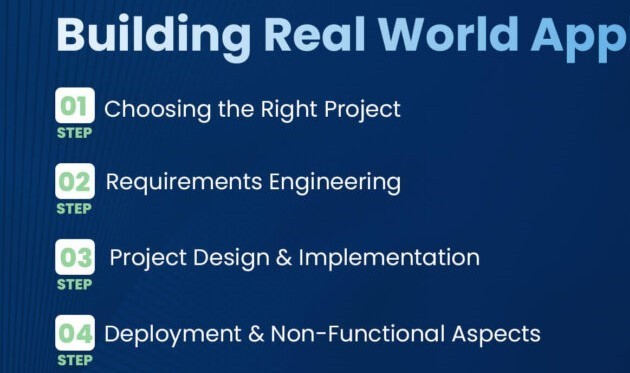
This is where learning becomes exciting.
Some project ideas:
Beginner Projects
- To-Do API
- Student Management System
- Notes Application
Intermediate Projects
- E-commerce Backend
- Movie Recommendation API
- Inventory Management System
Advanced Projects
- Banking System
- Chat Application
- Food Delivery Backend
Projects teach lessons that tutorials can’t.
Step 13: Learn Testing
Testing improves reliability.
Popular tools:
- PyTest
- JUnit
- Jest
Types of testing:
- Unit Testing
- Integration Testing
- API Testing
Employers love developers who write tested code.
Step 14: Prepare for Backend Developer Interviews 🎯
The final step in the Backend Development Roadmap: A Complete Guide is interview preparation.
Focus on:
- Data Structures
- System Design
- Database Concepts
- APIs
- OOP Principles
- Backend Projects
Practice explaining your projects clearly.
Many candidates know the technology but struggle to communicate their work.
Backend Development Roadmap: A Complete Guide – Suggested Learning Timeline
Months 1–2
- Internet Basics
- Programming Language
- Git
Months 3–4
- Databases
- APIs
- Authentication
Months 5–6
- Frameworks
- Projects
- Deployment
Months 7–8
- Cloud Computing
- Docker
- Testing
Months 9–12
- Advanced Projects
- Interview Preparation
Common Mistakes Beginners Make ❌
I’ve seen these mistakes repeatedly.
Avoid them:
- Learning too many languages at once
- Ignoring databases
- Skipping projects
- Avoiding Git
- Neglecting security
- Focusing only on tutorials
Build. Break things. Fix them. Repeat.
That’s how real learning happens.
Final Thoughts
If I could start over, I’d follow this exact Backend Development Roadmap: A Complete Guide.
The journey may feel overwhelming at first, but remember this: every experienced backend developer was once a beginner staring at confusing code.
Take one step at a time.
Learn the fundamentals.
Build projects.
Stay consistent.
Most importantly, don’t compare your progress to others.
The best Backend Development Roadmap: A Complete Guide isn’t the one with the most technologies—it’s the one you actually follow.
Keep learning, keep building, and you’ll be surprised how far you can go in a year. 🚀
Kaashiv Infotech Offers Full Stack Java Developer Course, Java Internship & More Programming Courses Visit Our Website www.kaashivinfotech.com.