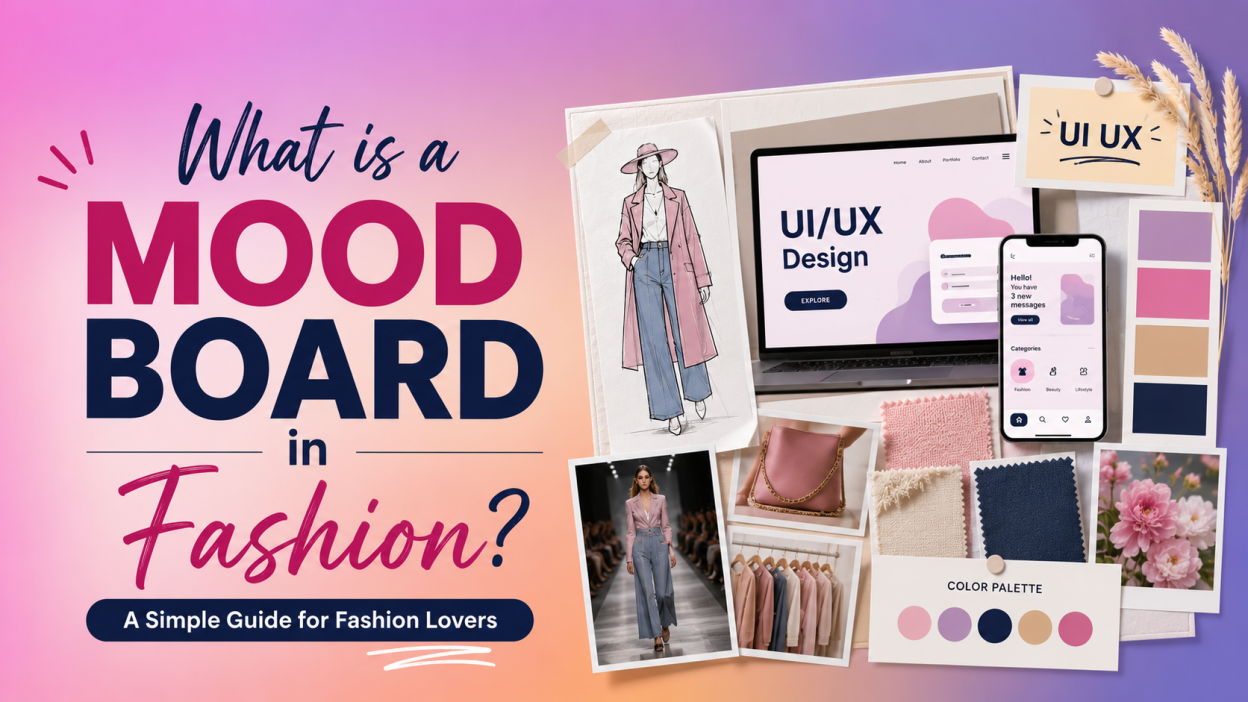
What is a Mood Board in Fashion? If you’ve ever wondered why fashion designers can turn a simple idea into a stunning clothing collection, the answer often starts with a mood board.
What is a Mood Board in Fashion? In simple words, it’s a visual collection of ideas, colors, fabrics, textures, sketches, photos, and inspiration that helps bring a fashion concept to life. Before I understood this, I thought designers simply started sketching clothes. But after exploring fashion design more deeply, I realized that every great collection begins with inspiration—and a mood board is where that inspiration takes shape.
Whether you’re a fashion student, an aspiring designer, a stylist, or someone who simply loves clothes, understanding what is a mood board in fashion will completely change how you approach creativity.
✨ Key Highlights
- 📌 Learn what is a mood board in fashion in simple words.
- 🎨 Understand why fashion designers rely on mood boards.
- 👗 Discover what elements should be included in a fashion mood board.
- 💻 Learn how to create both physical and digital mood boards.
- 🌈 Explore different types of fashion mood boards.
- 🚀 Avoid common mistakes beginners make.
- 📱 Find useful tools and websites to build professional mood boards.
What is a Mood Board in Fashion?
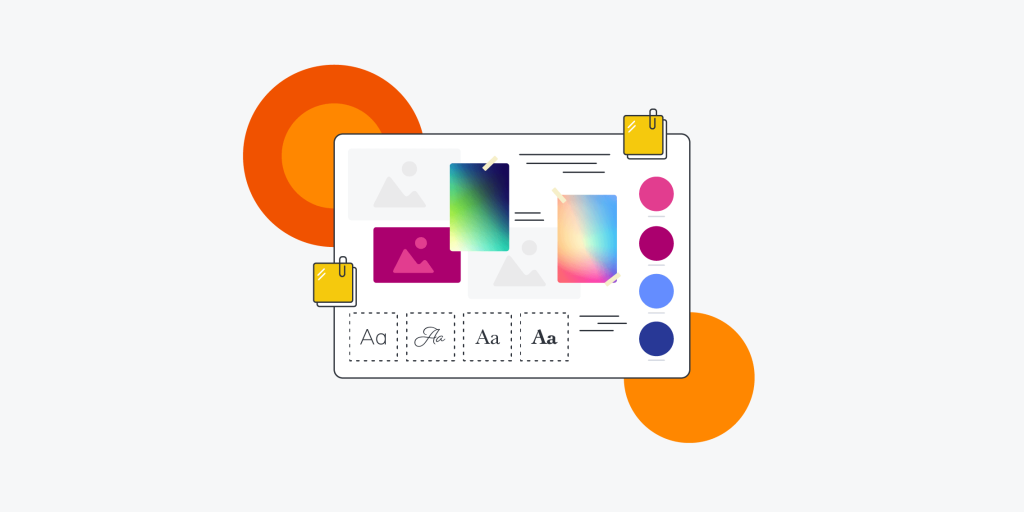
A mood board is a visual presentation that brings together images, colors, patterns, fabrics, textures, typography, sketches, and inspiration into one place.
Instead of writing pages of notes, designers let images tell the story.
I like to think of a mood board as the “personality” of a fashion collection. Before any fabric is cut or any outfit is stitched, the designer already knows the mood they want people to feel.
For example:
- 🌸 Soft pastel colors create a romantic feeling.
- 🖤 Black leather and metal accessories suggest a bold, edgy style.
- 🌿 Earthy colors and linen fabrics create a natural, eco-friendly vibe.
That’s exactly what a mood board in fashion helps communicate.
Why is a Mood Board Important in Fashion?
One thing I noticed while learning about fashion design is that inspiration can disappear quickly. A mood board captures ideas before they’re forgotten.
Here are some major reasons designers create one:
- Keeps creative ideas organized.
- Helps maintain a consistent design style.
- Makes communication easier with clients and team members.
- Saves time during the design process.
- Prevents mixing unrelated design concepts.
- Inspires fresh ideas throughout the project.
Without a mood board, a collection can easily lose its direction.
What Should a Fashion Mood Board Include?
When I created my first practice mood board, I realized it wasn’t about adding random beautiful pictures. Every image needed a purpose.
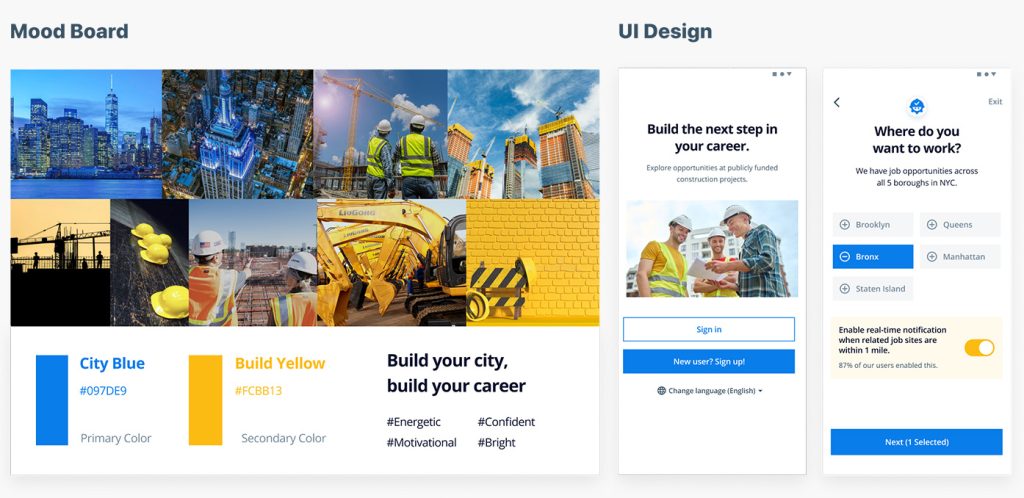
A fashion mood board often contains:
🎨 Color Palette
Colors set the emotional tone.
Examples:
- Beige
- Olive Green
- Navy Blue
- Lavender
- Burgundy
👗 Fabric Samples
Different fabrics create different feelings.
Examples include:
- Silk
- Denim
- Cotton
- Linen
- Leather
- Velvet
📷 Inspirational Images
These can include:
- Nature
- Architecture
- Street photography
- Vintage magazines
- Travel photos
- Art
Sometimes a single sunset photograph can inspire an entire clothing collection.
✏️ Fashion Sketches
Early clothing sketches help visualize ideas before production begins.
🧵 Textures and Patterns
Adding lace, embroidery, floral prints, geometric patterns, or knitted textures makes the board richer.
💬 Keywords
Words also matter.
Examples:
- Elegant
- Minimal
- Luxury
- Streetwear
- Vintage
- Sustainable
- Modern
Different Types of Mood Boards in Fashion
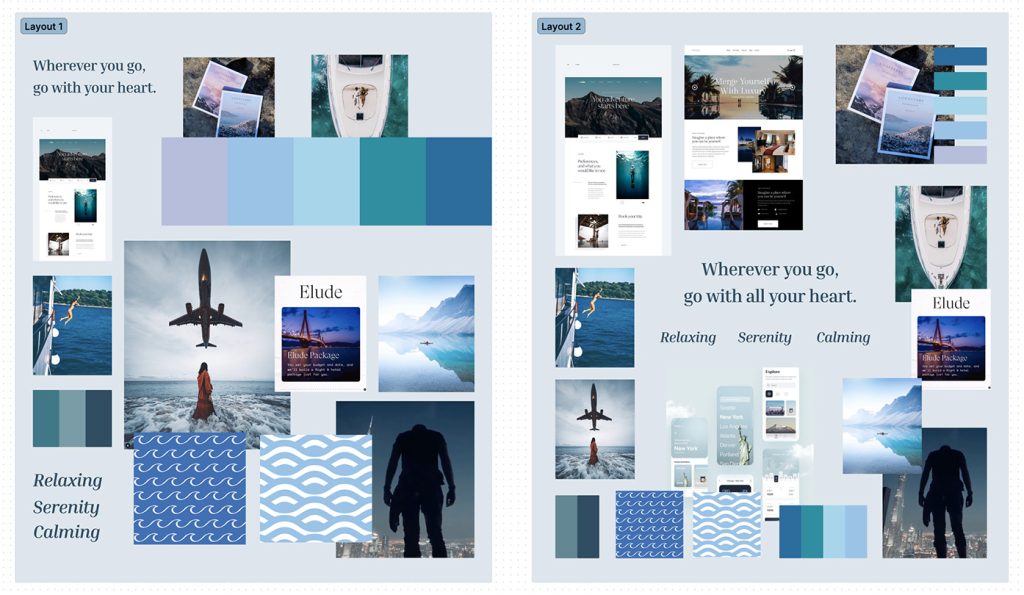
Not every mood board serves the same purpose.
1. Inspiration Mood Board
Focuses on collecting ideas from different sources.
Best for brainstorming.
2. Color Mood Board
Shows only the color combinations for a fashion collection.
Useful before choosing fabrics.
3. Fabric Mood Board
Highlights materials and textures.
Perfect for textile selection.
4. Trend Mood Board
Includes current fashion trends, runway looks, celebrity styles, and seasonal inspiration.
5. Collection Mood Board
Combines everything together before designing the final clothing collection.
How to Create a Mood Board in Fashion
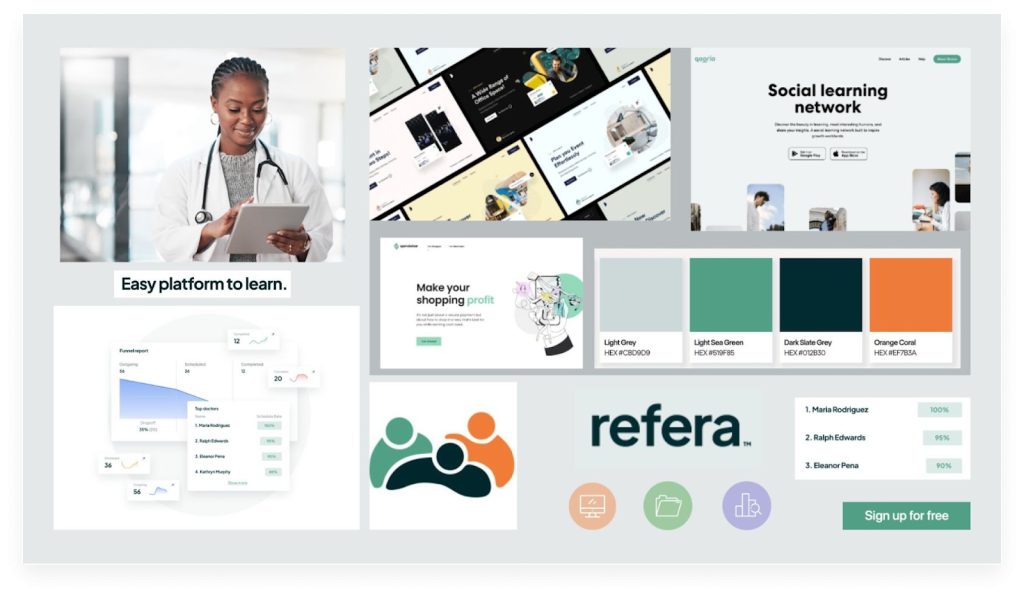
People often assume fashion mood boards require expensive software.
Honestly, they don’t.
Here’s how I would create one.
Step 1: Choose Your Theme
Examples:
- Summer Vacation
- Minimal Fashion
- Vintage Paris
- Street Style
- Cottagecore
- Y2K Fashion
Step 2: Collect Inspiration
Search for inspiration from:
- Fashion magazines
- Museums
- Nature
- Travel photography
Save anything that matches your vision.
Step 3: Select Your Color Palette
Choose 4–6 colors that work well together.
Too many colors can make the board confusing.
Step 4: Add Fabrics and Textures
Include photos or samples of fabrics.
Think about how they feel as well as how they look.
Step 5: Arrange Everything
Place similar colors and ideas together.
Leave enough white space so the board feels clean.
Step 6: Review
Ask yourself:
If the answer is yes, you’re ready.
Digital vs Physical Mood Boards
Both options work well.
| Digital Mood Board | Physical Mood Board |
|---|---|
| Easy to edit | Feels more creative |
| Simple to share | Uses real fabric samples |
| Perfect for online work | Great for classroom projects |
| Saves space | Better for tactile inspiration |
I personally enjoy digital mood boards because I can update them whenever a new idea strikes.
Best Tools for Creating Fashion Mood Boards
Some excellent tools include:
- 🎨 Canva
- 🖌️ Adobe Express
- 🖥️ Milanote
- 📱 Figma
Most beginners start with Canva or Pinterest because they’re simple to learn.
Common Mistakes Beginners Make
I’ve seen beginners—including myself—make these mistakes.
❌ Adding too many images.
❌ Using unrelated colors.
❌ Ignoring textures.
❌ Following trends without understanding the theme.
❌ Copying someone else’s mood board instead of creating something original.
Remember, inspiration is fine. Copying isn’t.
Real-Life Example of a Fashion Mood Board
Imagine you’re designing a winter clothing collection.
Your mood board could include:
- ❄️ Snow-covered forests
- 🤍 White and grey color palette
- 🧥 Wool fabrics
- ☕ Cozy coffee shop images
- 🧣 Knitted textures
- 🌲 Pine trees
- 📷 Scandinavian interiors
Without drawing a single jacket, you’ve already created the feeling your collection should express.
That’s the real power of what is a mood board in fashion.
Benefits of Using a Mood Board in Fashion
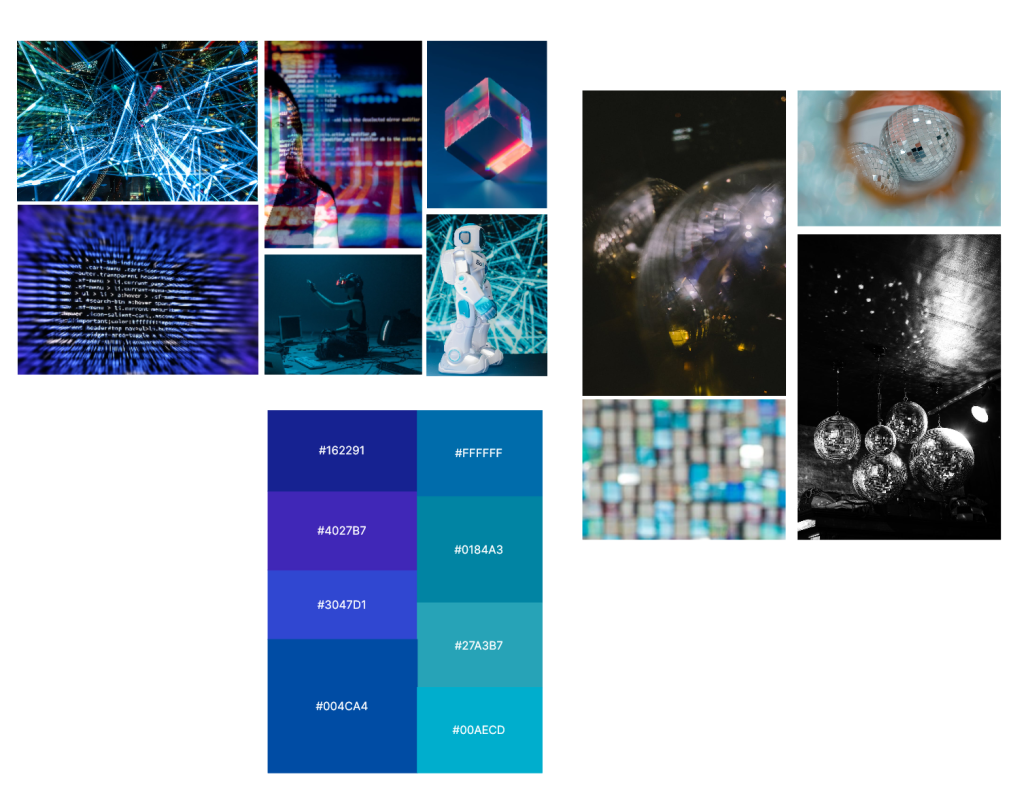
Here are some advantages I’ve come to appreciate:
- ✅ Improves creativity.
- ✅ Organizes ideas visually.
- ✅ Speeds up the design process.
- ✅ Helps communicate with clients.
- ✅ Builds confidence before sketching.
- ✅ Creates consistency across an entire collection.
- ✅ Makes presentations look professional.
Who Uses Fashion Mood Boards?
Mood boards aren’t just for fashion designers.
They’re also used by:
- 👗 Fashion students
- 🧥 Clothing brands
- 👠 Stylists
- 📸 Fashion photographers
- 💄 Makeup artists
- 🛍️ Visual merchandisers
- 🎭 Costume designers
- 📱 Fashion influencers
If your work involves style, chances are you’ll benefit from creating one.
Final Thoughts
When someone asks me, “What is a Mood Board in Fashion?”, I don’t just think of a collage filled with beautiful pictures. I think of the beginning of every creative journey.
A mood board transforms scattered ideas into a clear vision. It helps you stay focused, communicate your style, and design with purpose instead of guesswork. Whether you’re planning your first fashion project or preparing an entire collection, taking a little time to build a thoughtful mood board can save hours later and spark ideas you might never have discovered otherwise.
My advice? Don’t wait until you think you’re “creative enough.” Open a notebook, gather a few inspiring images, choose colors that speak to you, and start experimenting. Your first mood board doesn’t need to be perfect—it just needs to tell your story. 🎨✨
Frequently Asked Questions (FAQs)
1. What is a mood board in fashion?
A mood board in fashion is a visual collection of images, colors, fabrics, textures, and design ideas that helps designers plan and communicate the overall theme of a fashion collection.
2. Why is a mood board important in fashion design?
It keeps ideas organized, improves creativity, ensures design consistency, and makes it easier to communicate concepts with clients or team members.
3. Can beginners create a fashion mood board?
Absolutely! Anyone interested in fashion can create one using magazines, fabric samples, or free digital tools like Canva and Pinterest.
4. What tools can I use to make a digital mood board?
Popular tools include Canva, Pinterest, Milanote, Adobe Express, and Figma.
5. How is a mood board different from a fashion sketch?
A mood board focuses on visual inspiration and the overall theme, while a fashion sketch shows the design of a specific garment.
Want to learn more, Kaashiv Infotech Offers, UI UX Course, Front End Development Course, Full Stack Development Course & More, Visit Their Website www.kaashivinfotech.com.