
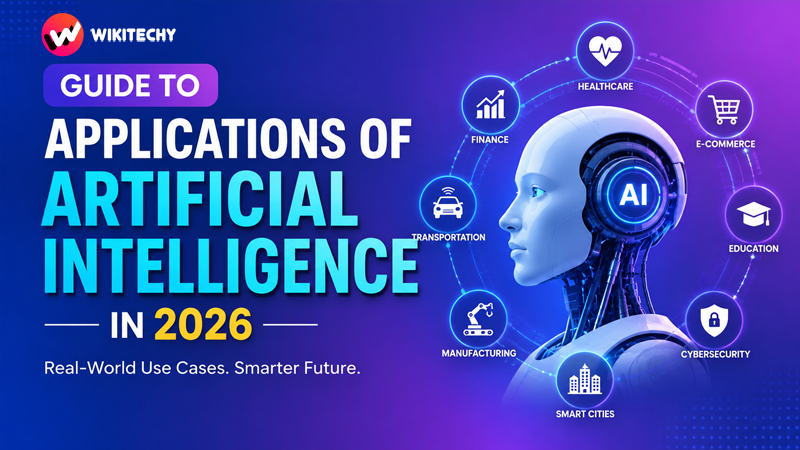
Artificial Intelligence has moved far beyond being just a tech trend—it has become the backbone of modern innovation. In 2026, AI is not something happening in the background anymore; it is actively shaping decisions, automating workflows, and redefining how humans interact with technology. From the way we shop and learn to how industries operate at scale, AI has become deeply integrated into everyday life.
What makes Applications of Artificial Intelligence in 2026 especially powerful is its maturity. Earlier, systems required massive supervision and produced limited results. Now, AI systems are more autonomous, context-aware, and capable of learning continuously. In this article, I’ll walk you through how AI is actually being used across industries—not in theory, but in real-world applications that are already making an impact.
🧠 Understanding Artificial Intelligence (Brief Overview)
Before diving into applications, it’s important to understand what AI really means in today’s context. Artificial Intelligence refers to systems designed to mimic human intelligence—such as learning from data, recognizing patterns, understanding language, and making decisions.
The major technologies behind AI include machine learning, deep learning, natural language processing, and computer vision. These aren’t separate silos anymore; in 2026, they often work together. For example, a single AI system in healthcare might use computer vision to analyze scans and natural language processing to interpret patient history.
🏥 AI in Healthcare: Smarter Diagnosis and Better Care
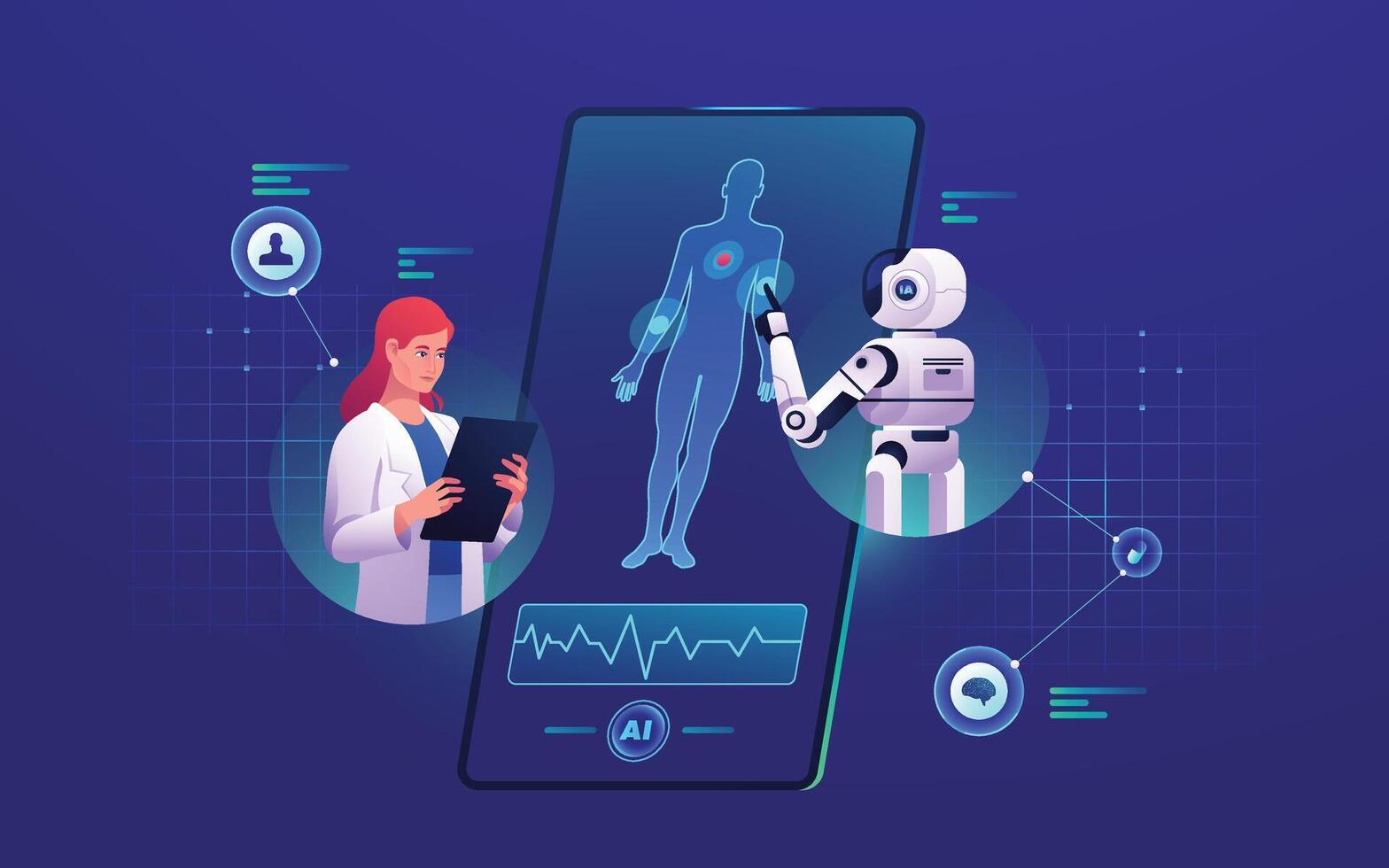
Healthcare has experienced one of the most meaningful transformations due to AI. What used to take days or even weeks—like diagnosing complex diseases—can now be done in a fraction of the time with higher accuracy. AI-powered imaging systems can analyze X-rays, MRIs, and CT scans and detect abnormalities that might be missed by the human eye.
Another major breakthrough is in drug discovery. AI models can simulate how different compounds interact with the human body, dramatically reducing the time required to develop new medicines. This has become especially important in responding to emerging diseases and global health challenges.
AI is also improving patient care outside hospitals. Wearable devices continuously track vital signs and send alerts when something unusual is detected. Combined with virtual health assistants, patients can now receive guidance without needing to visit a clinic for every concern. Even surgical procedures have evolved, with AI-assisted robotic systems helping doctors perform highly precise operations with minimal risk.
💰 AI in Finance: Intelligent Decision-Making at Scale
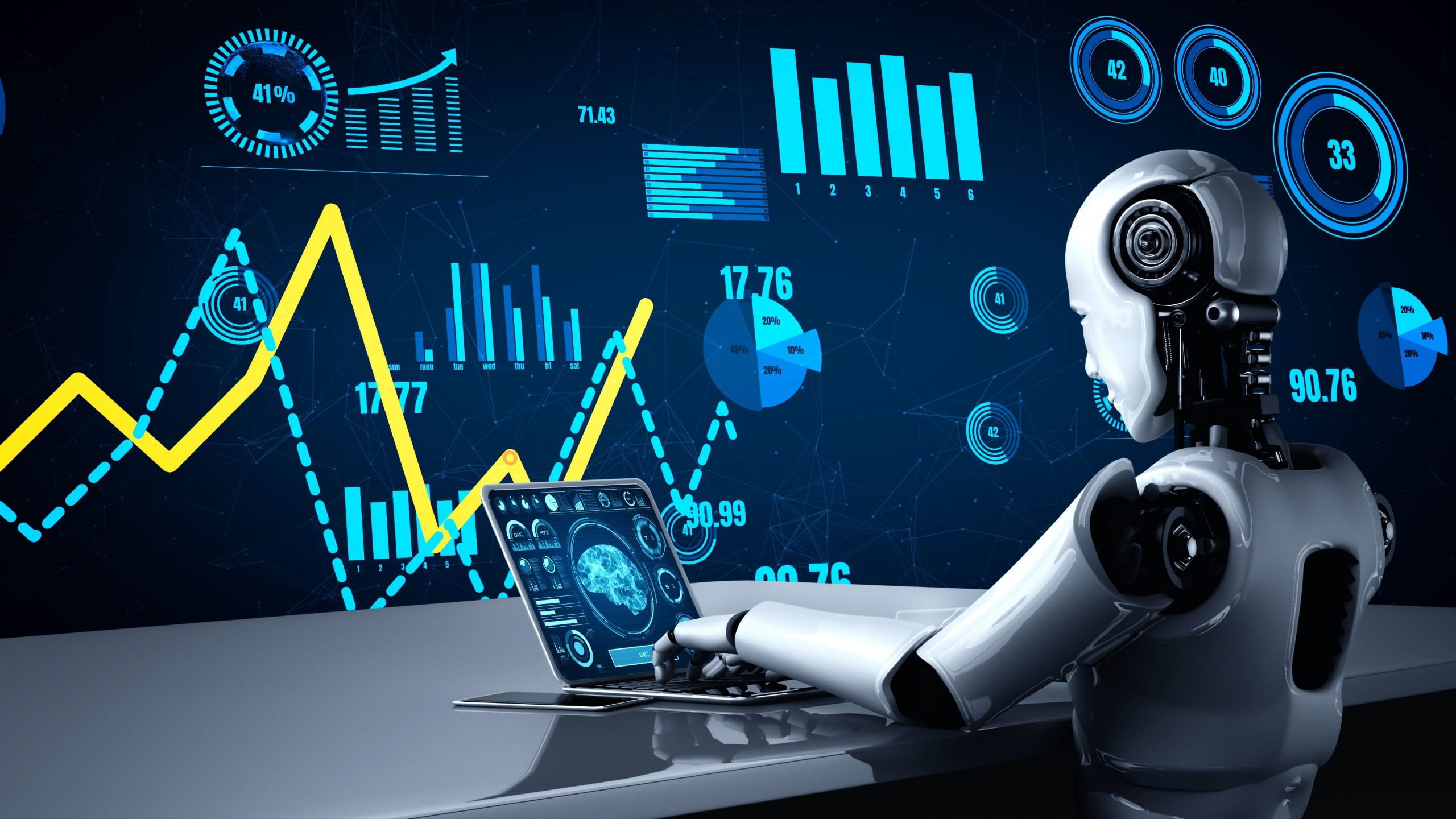
The financial sector has embraced AI as a critical tool for both efficiency and security. In 2026, banks and financial institutions rely on AI systems to monitor transactions in real time. These systems can instantly detect suspicious patterns and prevent fraudulent activities before they cause damage.
Investment strategies have also become more data-driven. AI-powered trading systems analyze massive datasets, including market trends, news, and historical performance, to make predictions and execute trades faster than any human could. This has fundamentally changed how portfolios are managed.
Customer experience in banking has improved as well. AI chatbots and virtual assistants now handle everything from account queries to financial advice. What makes them powerful is their ability to understand natural language and respond in a personalized manner. Credit scoring has also evolved, with AI evaluating a broader range of data points, making lending decisions more accurate and inclusive.
🚗 AI in Transportation: Redefining Mobility
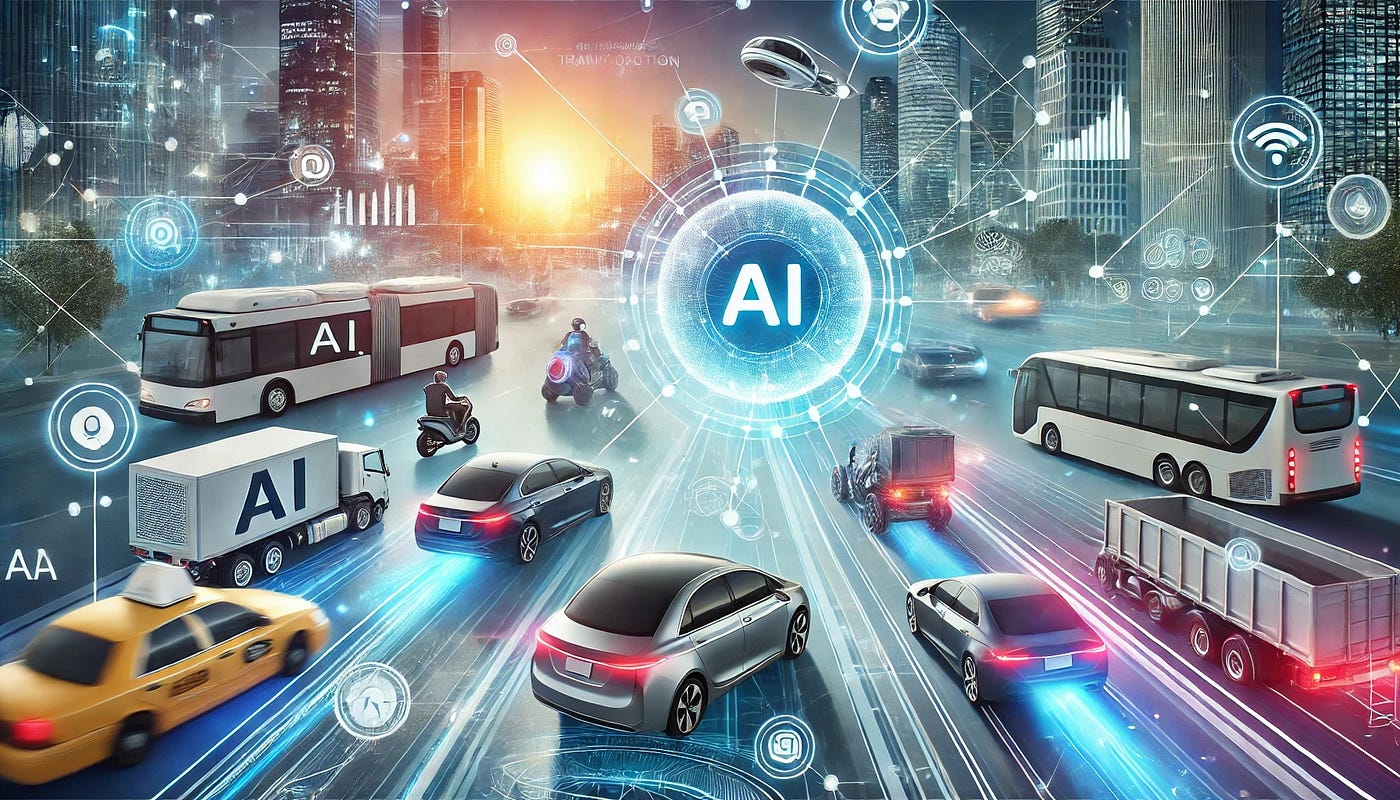
Transportation is no longer just about moving from one place to another—it’s about doing it intelligently and safely. Autonomous vehicles are one of the most visible applications of AI. These vehicles use sensors, cameras, and machine learning algorithms to navigate roads, avoid obstacles, and make driving decisions in real time.
Beyond self-driving cars, AI is also optimizing traffic systems in urban areas. Smart traffic lights and predictive analytics help reduce congestion by adjusting flow based on real-time conditions. This not only saves time but also reduces fuel consumption and emissions.
Logistics and delivery systems have become faster and more efficient through AI. Companies are using AI-powered route optimization to ensure that goods are delivered in the shortest possible time. In some regions, drone deliveries are becoming common, especially for urgent shipments.
🛍️ AI in E-commerce and Marketing: Personalization at Its Best
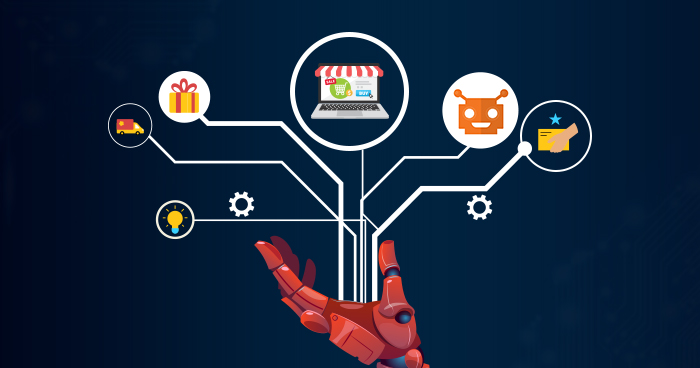
If you’ve ever noticed how online platforms seem to “know” what you want, that’s AI at work. In 2026, personalization has reached a whole new level. E-commerce platforms analyze user behavior, preferences, and past interactions to recommend products that are highly relevant.
Marketing has also become more intelligent. AI tools can predict which campaigns will perform best, identify the right audience, and even generate content tailored to specific users. This level of precision was almost impossible a few years ago.
Customer support has improved significantly with AI chatbots that provide instant responses. These systems are no longer limited to scripted replies—they can understand context, learn from interactions, and offer meaningful solutions. Voice and visual search technologies have also gained popularity, allowing users to search for products using images or voice commands.
🎓 AI in Education: A Personalized Learning Experience
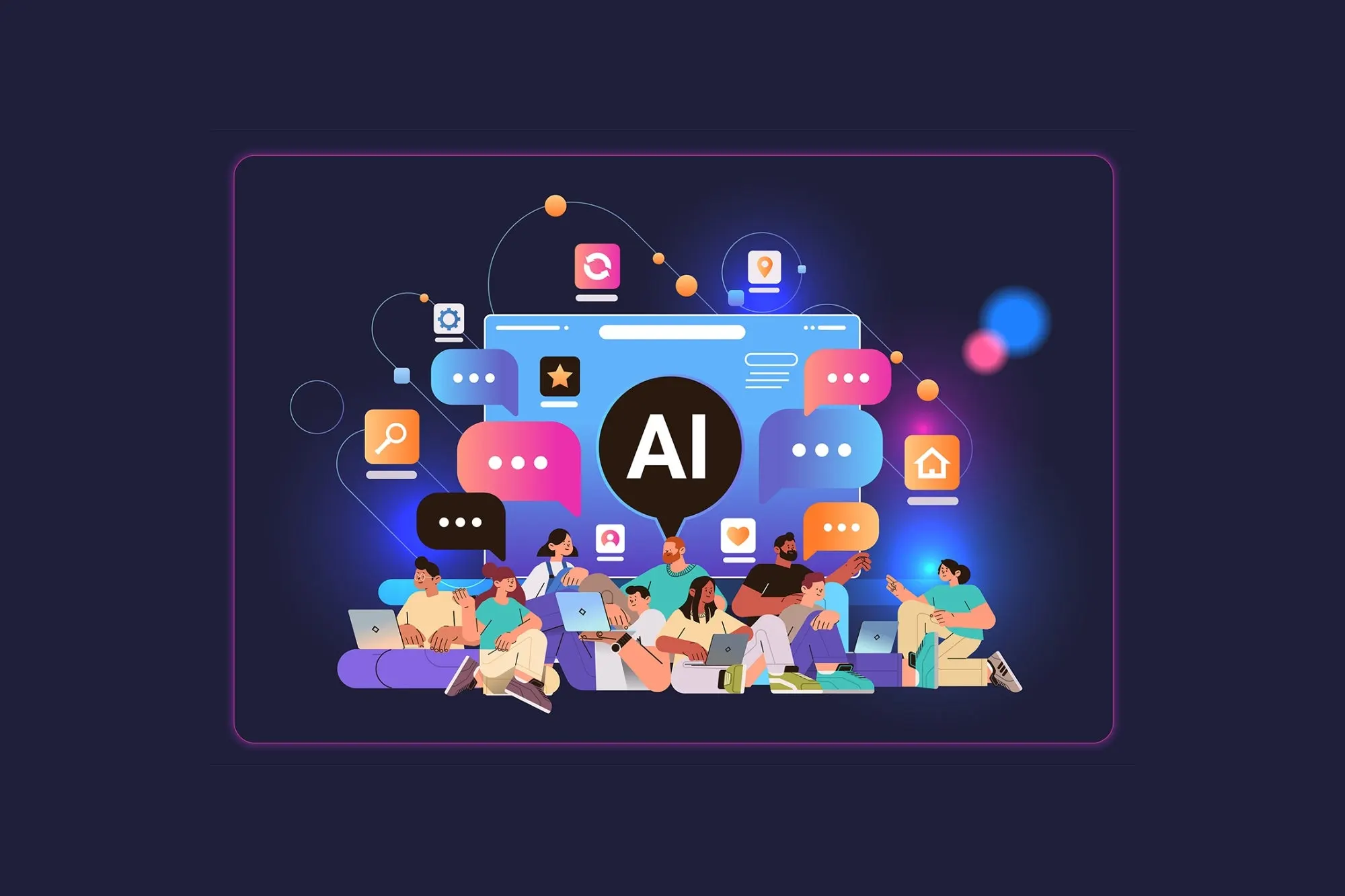
Education is becoming more flexible and personalized thanks to AI. Traditional one-size-fits-all teaching methods are being replaced by adaptive learning systems that adjust content based on each student’s progress and understanding.
AI tutors are available 24/7, helping students learn at their own pace. These systems can identify weak areas and provide targeted exercises to improve performance. Teachers are also benefiting from AI tools that automate tasks like grading and performance analysis, allowing them to focus more on teaching.
Another important development is content generation. AI can now create study materials, quizzes, and even simulations, making learning more interactive and engaging. This is especially useful in online education, where maintaining student engagement can be challenging.
🏭 AI in Manufacturing: The Rise of Smart Factories
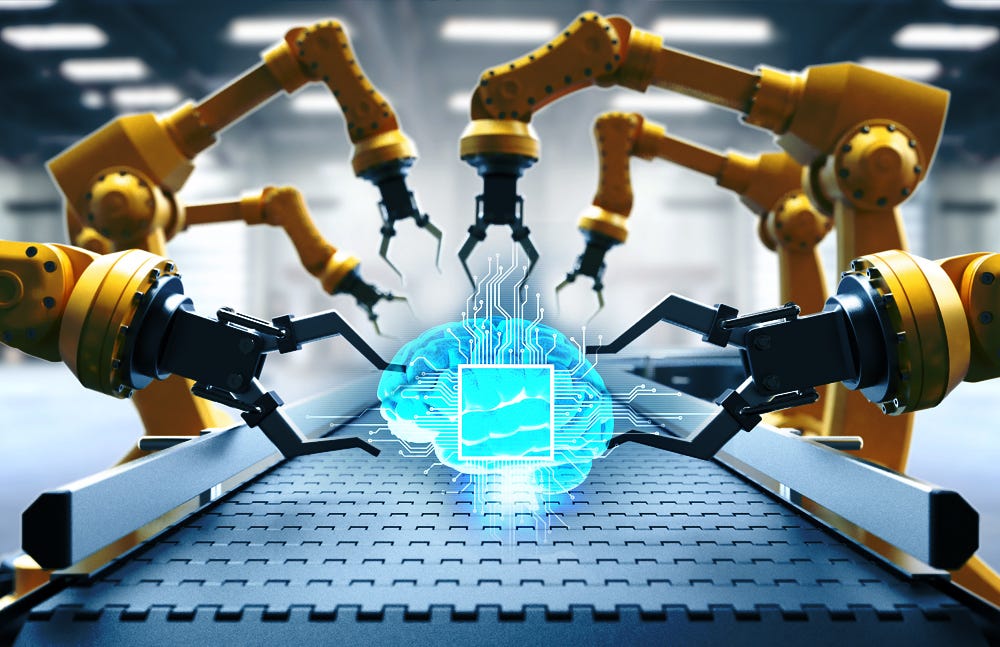
Manufacturing in 2026 is driven by automation and intelligence. Smart factories use AI to monitor every stage of production, ensuring efficiency and quality. Machines are equipped with sensors that collect data continuously, allowing AI systems to predict when maintenance is needed before a breakdown occurs.
Quality control has also improved significantly. Computer vision systems can inspect products in real time and detect defects with high accuracy. This reduces waste and ensures consistent quality.
Supply chains are becoming more resilient with AI. By analyzing data from multiple sources, AI can predict demand, optimize inventory, and prevent disruptions. This level of coordination is essential in a globalized economy.
🎮 AI in Entertainment and Media: Creativity Meets Technology
The entertainment industry is experiencing a creative revolution powered by AI. Content creation is no longer limited by time or resources. AI tools can generate videos, music, and images, enabling creators to produce high-quality content faster than ever.
In gaming, AI is making virtual worlds more realistic. Non-player characters (NPCs) can now behave intelligently, adapting to player actions and creating dynamic experiences. Streaming platforms use AI to recommend content based on user preferences, keeping audiences engaged.
Video editing has also become more efficient, with AI handling tasks like scene detection, color correction, and even storytelling suggestions. This allows creators to focus more on creativity rather than technical details.
🌆 AI in Smart Cities: Building the Future of Urban Living
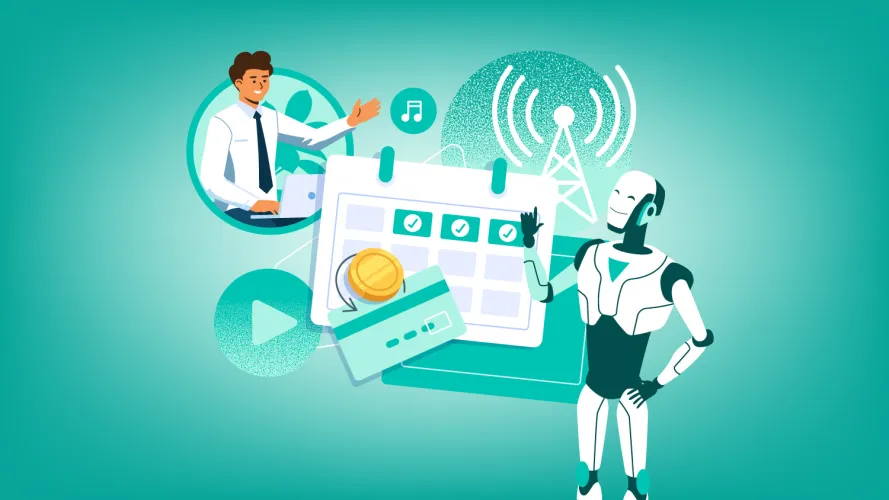
Cities are becoming smarter and more efficient with the integration of AI and IoT. Urban systems are now interconnected, allowing data to flow seamlessly between different services. This enables better decision-making and resource management.
Energy consumption is optimized using AI, reducing waste and lowering costs. Waste management systems use smart sensors to determine when bins need to be emptied, improving efficiency. Surveillance systems powered by AI enhance security by identifying potential threats in real time.
Disaster management is another area where AI plays a crucial role. Predictive models can analyze environmental data and provide early warnings for events like floods or earthquakes, helping authorities take preventive measures.
🔐 AI in Cybersecurity: Staying Ahead of Threats
As technology advances, so do cyber threats. AI has become an essential tool in cybersecurity, helping organizations detect and respond to attacks more effectively. Traditional security systems relied on predefined rules, but AI systems can learn from data and identify new types of threats.
One of the most powerful capabilities of AI in cybersecurity is anomaly detection. By analyzing user behavior and network activity, AI can identify unusual patterns that may indicate a breach. Automated response systems can then take immediate action, minimizing damage.
AI is also used in threat intelligence, where it analyzes global data to predict potential attacks. This proactive approach is crucial in a world where cyber threats are constantly evolving.
⚡ Future Trends of AI in 2026
The evolution of AI is far from over. In fact, 2026 is just the beginning of a new phase where AI becomes more integrated, ethical, and human-centric. Generative AI continues to dominate content creation, while edge AI is enabling faster processing directly on devices without relying on the cloud.
Another important trend is the focus on ethical AI. As AI systems become more powerful, ensuring transparency, fairness, and accountability has become a priority. Regulations and guidelines are being developed to ensure responsible use.
Human-AI collaboration is also becoming more prominent. Instead of replacing humans, AI is enhancing human capabilities, enabling people to work smarter and more efficiently.
🧠 Final Thoughts
Artificial Intelligence in 2026 is not just transforming industries—it is redefining the way we live and work. What makes this transformation exciting is not just the technology itself, but the opportunities it creates. Whether you’re a student, developer, or business owner, understanding AI is no longer optional—it’s essential.
From healthcare and finance to education and smart cities, AI is shaping a future that is more connected, efficient, and intelligent. And honestly, this is just the beginning.
Kaashiv Infotech Offers Machine Learning Course, Artificial Intelligence Course, Python Course, Visit Our Website www.kaashivinfotech.com.


