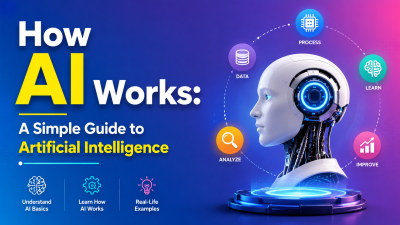
Generative AI has completely transformed the way software is built, content is created, and businesses operate. From writing human-like text to generating stunning visuals, modern Artificial Intelligent systems are no longer just tools—they are collaborators. Technologies like ChatGPT and Stable Diffusion have opened the doors to a new kind of engineering role: the Generative AI Engineer.
If you’re aiming to enter this field, understand this clearly—this is not just about coding. It’s about combining logic, creativity, mathematics, and problem-solving into one powerful skill set. This guide will take you deep into what it really takes to become one.
Understanding the Role of a Generative AI Engineer
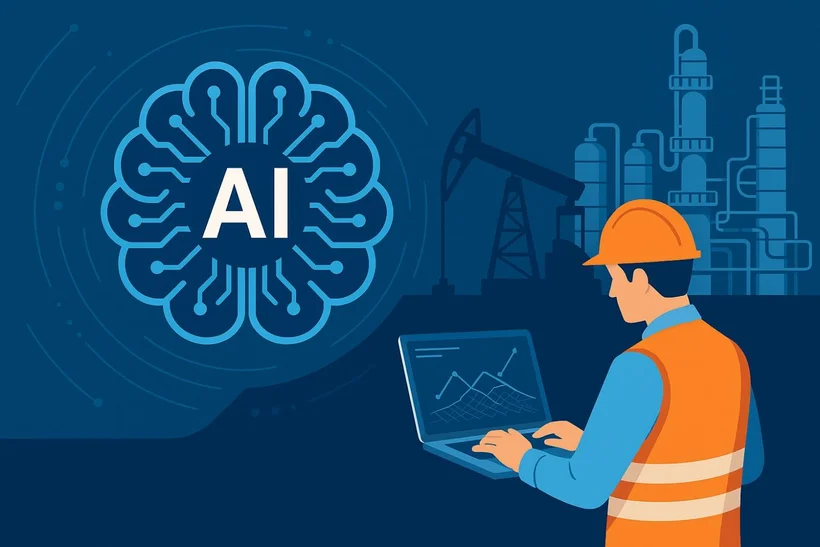
A Generative AI Engineer is responsible for building systems that can create new data instead of just analyzing existing data. Unlike traditional developers who write rules-based logic, these engineers train models that learn patterns and generate outputs on their own.
These systems are powered by advanced models such as GPT-4 and other transformer-based architectures. Whether it’s generating blog content, designing images, composing music, or even writing code, the role revolves around building intelligent pipelines that can mimic human creativity.
In real-world scenarios, companies expect you to integrate AI into products—chatbots for customer support, AI-powered content tools, recommendation systems, and automation engines. So, your role is both technical and product-focused.
Building a Strong Foundation: Where Your Journey Begins
Before jumping into complex AI models, you need a strong base. The most important starting point is programming, especially Python. Python has become the backbone of AI development due to its simplicity and powerful ecosystem. Libraries like NumPy and Pandas help in handling data, while visualization tools allow you to understand patterns better.
Alongside programming, mathematics plays a silent but critical role. Linear algebra helps you understand how data is represented inside models, probability teaches you how predictions are made, and basic calculus supports optimization techniques used during training. You don’t need to go deep into theory, but you should understand how things work conceptually.
Once your basics are strong, you’ll move into machine learning. This is where you teach systems to learn from data. Gradually, you’ll progress into deep learning, where neural networks simulate how the human brain processes information.

Mastering Machine Learning and Deep Learning
Machine learning is the stepping stone, but deep learning is where real generative AI begins. Frameworks like TensorFlow and PyTorch allow you to build and train neural networks efficiently.
At this stage, you’ll learn how models identify patterns, make predictions, and improve over time. But for generative AI, one concept stands above all—Transformers. These architectures power modern AI systems and are responsible for breakthroughs in natural language processing and content generation.
You’ll also explore concepts like embeddings, attention mechanisms, and sequence modeling. These may sound complex initially, but once you start building small models, everything begins to make sense.
Diving into Generative AI Technologies
This is where your journey becomes exciting. Generative AI is not a single technology—it’s a combination of multiple approaches working together.
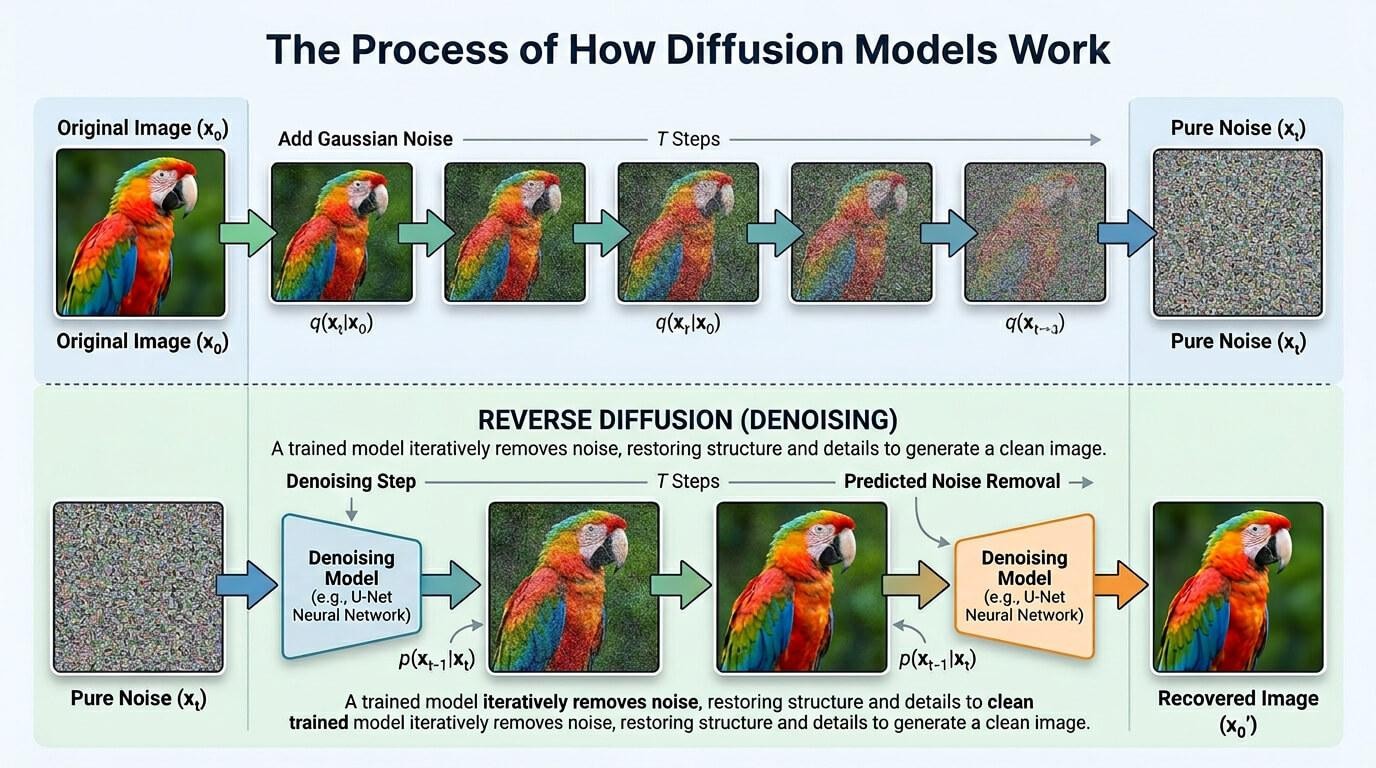
You’ll start with GANs (Generative Adversarial Networks), where two neural networks compete to create realistic outputs. Then you’ll move to diffusion models, which generate high-quality images by gradually refining noise into meaningful visuals.
At the same time, you’ll explore large language models using tools like Hugging Face Transformers and APIs such as OpenAI API. These tools allow you to build applications without training models from scratch.
Another critical skill here is prompt engineering—the ability to communicate effectively with AI models to get the desired output. This might sound simple, but in real-world applications, it’s a powerful skill that directly impacts performance.
Building Real-World Projects That Stand Out
If there’s one thing that truly defines your success in this field, it’s your projects. Companies don’t just look for certificates—they look for proof of skills.
Start by building a chatbot similar to ChatGPT. Then move on to creating a content generator, an AI resume builder, or even a text-to-image application. Each project teaches you something new—API integration, model optimization, UI design, and deployment.
As you grow, try combining multiple capabilities into one product. For example, a system that generates blog content and also creates images for it. These kinds of projects show that you understand how to build end-to-end AI applications.
Deployment and Scaling: Turning Models into Products
Building a model is only half the job. The real value comes when you deploy it and make it usable for others.
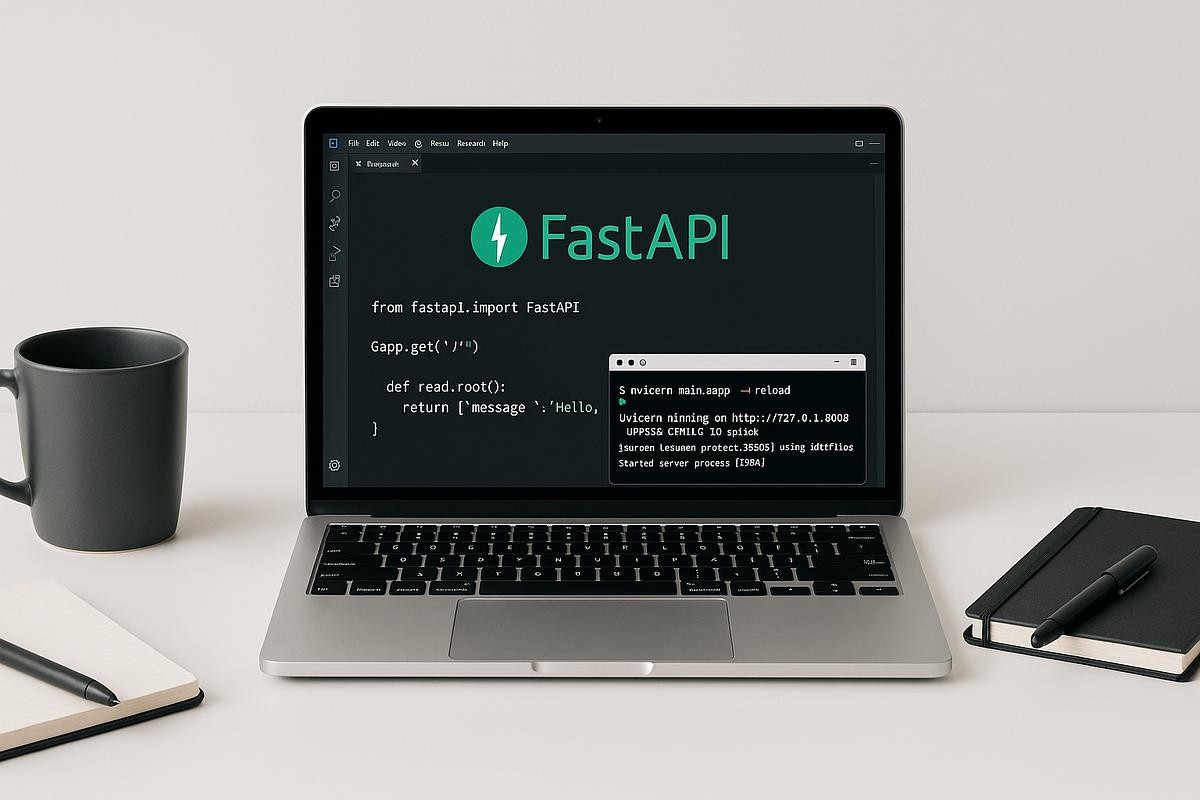
You’ll learn how to create APIs using frameworks like FastAPI and host them on cloud platforms such as AWS or Google Cloud. Deployment also involves handling user requests, optimizing performance, and ensuring scalability.
Tools like Docker help you package your applications so they run smoothly anywhere. This stage transforms you from a learner into a professional engineer capable of delivering real-world solutions.
Career Opportunities and Industry Demand
The demand for Generative AI Engineers is growing rapidly across industries. Companies are actively integrating AI into their products, and they need skilled professionals to build and maintain these systems.
You can work as a Generative AI Engineer, Machine Learning Engineer, or NLP Specialist. Top organizations like Google, Microsoft, and OpenAI are continuously investing in this space.
In India, salaries for freshers typically start from ₹6–12 LPA, but with strong skills and projects, you can quickly move to higher packages. Experienced professionals can earn ₹40 LPA or more, especially in product-based companies or startups.
Final Thoughts: Your Path to Success
Becoming a Generative AI Engineer is not about rushing through tutorials or collecting certificates. It’s about building deep understanding and applying it through consistent practice.
If you dedicate a few hours every day, focus on hands-on projects, and stay updated with the latest advancements, you can realistically enter this field within 6 to 12 months. The key is consistency and curiosity.
This is one of the most future-proof careers you can choose today. Start small, keep building, and over time, you’ll find yourself creating intelligent systems that can truly change the world.
Kaashiv Infotech Offers Machine Learning Course, Artificial Intelligence Course, Python Course, Visit Our Website www.kaashivinfotech.com.