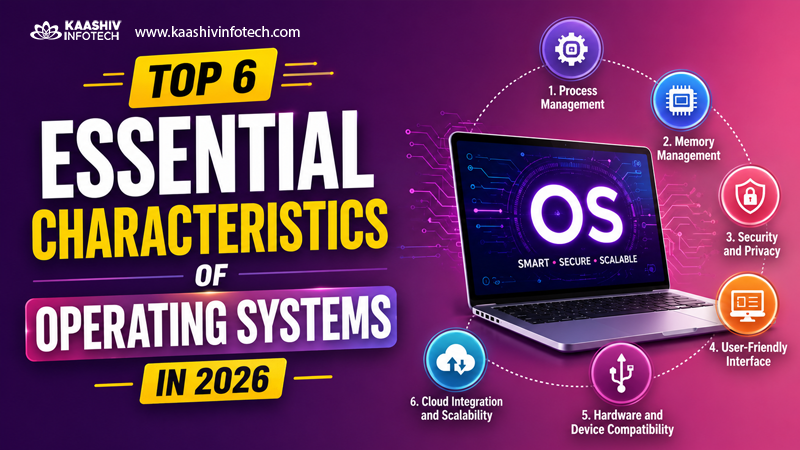
Operating systems in 2026 are far more powerful than ever before. They are no longer just a bridge between hardware and software—they have become intelligent ecosystems that adapt to user behavior, optimize performance automatically, and ensure security at every level.
From laptops and smartphones to cloud servers and IoT devices, operating systems play a critical role in how technology functions today. Understanding their core characteristics will give you a strong foundation in computer science, system design, and real-world applications.
Let’s explore the six most important characteristics of operating systems in a detailed and practical way.
6 Essential Characteristics of Operating Systems
1. Advanced Process Management
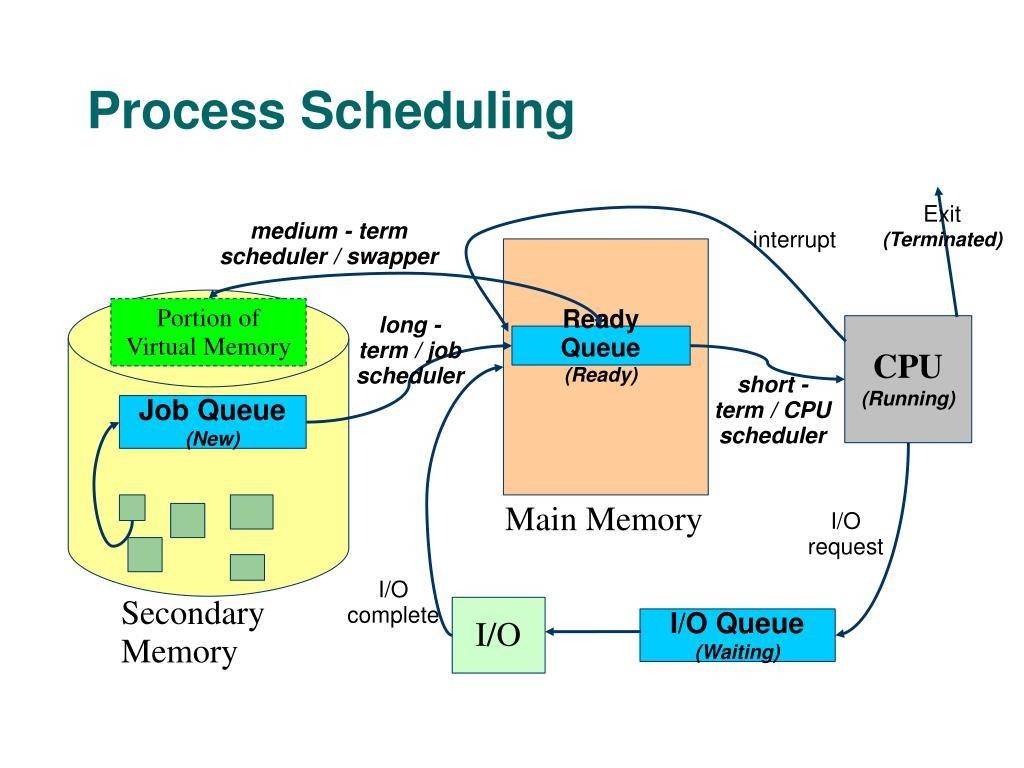
At the heart of every operating system lies process management. This is the mechanism that decides how tasks are created, executed, and completed inside a system. In 2026, operating systems handle thousands of processes simultaneously without slowing down the system.
Modern systems use highly optimized scheduling techniques that ensure every application gets fair access to the CPU. For example, when you open multiple apps like a browser, IDE, and music player, the OS constantly switches between them in milliseconds, creating the illusion that everything is running at the same time.
Another important evolution is the use of artificial intelligence in scheduling. The operating system can now predict which application you are likely to use next and prioritize it. Background processes are intelligently managed so that they do not consume unnecessary resources.
Multithreading also plays a major role. Instead of executing a task as one large process, the OS divides it into smaller threads, allowing faster execution and better CPU utilization. This is especially useful in modern multi-core processors.
2. Intelligent Memory Management
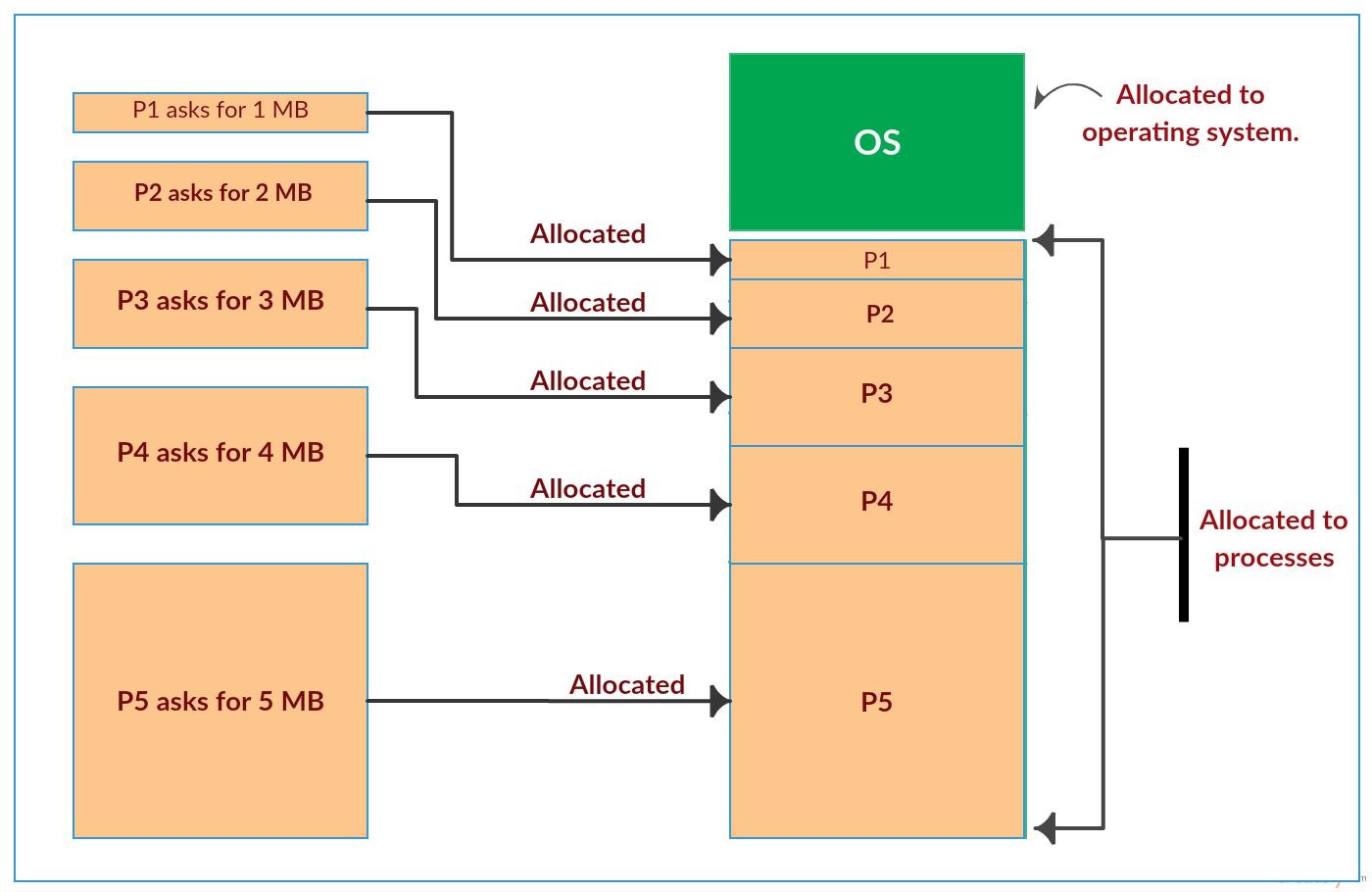
Memory management determines how efficiently an operating system uses RAM and storage. In 2026, this has become significantly more advanced due to the increasing demand for high-performance applications such as gaming, AI tools, and data processing systems.
One of the key techniques used is virtual memory, where the OS uses a portion of the hard disk or SSD as an extension of RAM. This allows systems with limited memory to run large applications smoothly.
Modern operating systems also use predictive memory allocation. Based on your usage patterns, frequently used applications are preloaded into memory, reducing loading times. This is why apps open almost instantly on newer devices.
Another crucial aspect is memory protection. Each application runs in its own memory space, preventing it from interfering with others. This ensures system stability and reduces crashes.
Efficient memory handling not only improves speed but also enhances the overall user experience, especially in multitasking environments.
3. Enhanced Security and Privacy
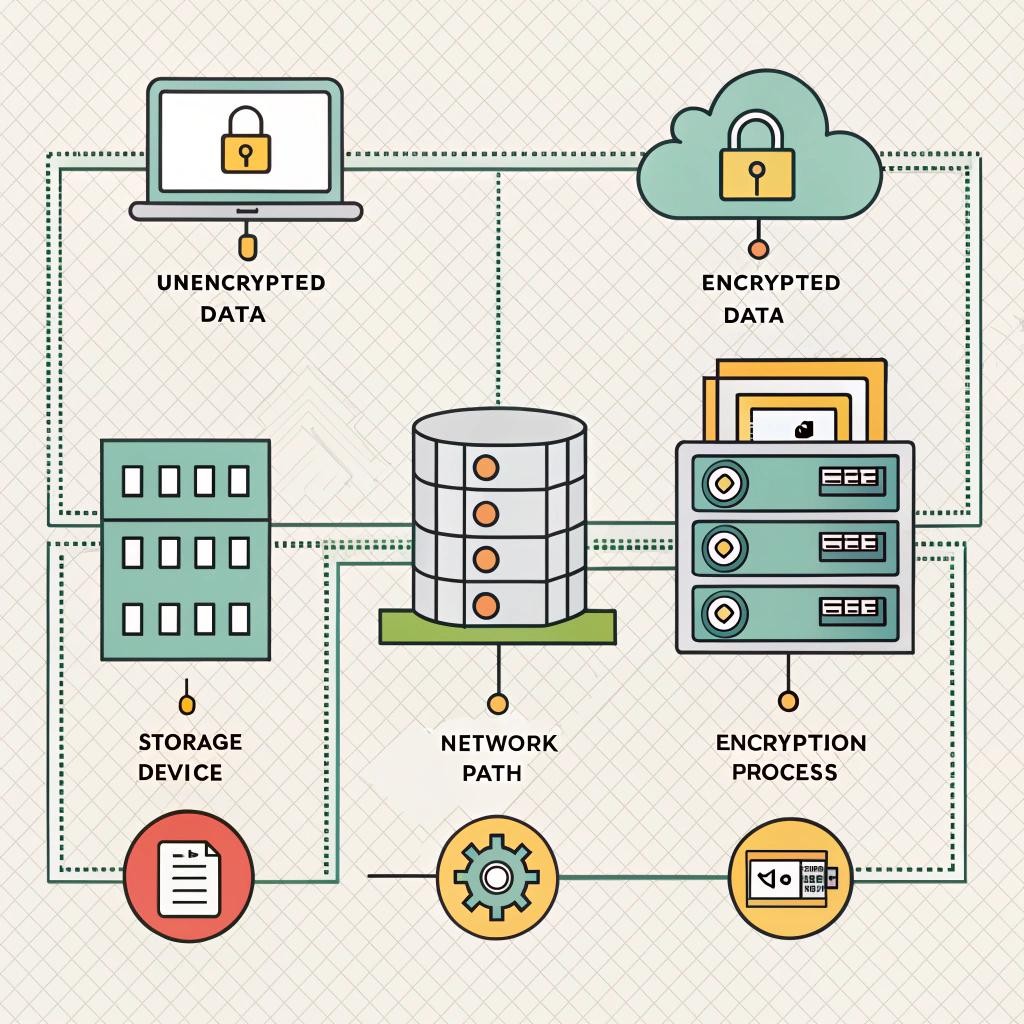
Security has become one of the defining characteristics of operating systems in 2026. With the rise of cyber threats, modern OS platforms are built with multiple layers of protection.
Today’s operating systems use biometric authentication such as fingerprint scanning and facial recognition to ensure that only authorized users can access the system. Beyond that, secure boot mechanisms prevent malicious software from loading during system startup.
Encryption is now standard. Data stored on devices is automatically encrypted, making it extremely difficult for attackers to access sensitive information even if the device is compromised.
Another major advancement is real-time threat detection powered by artificial intelligence. The OS continuously monitors system activity and can identify suspicious behavior instantly. Applications are also isolated using sandboxing techniques, which ensures that even if one app is compromised, it cannot affect the entire system.
Privacy controls have also improved, giving users more transparency and control over how their data is used.
4. User-Friendly Interface and Experience
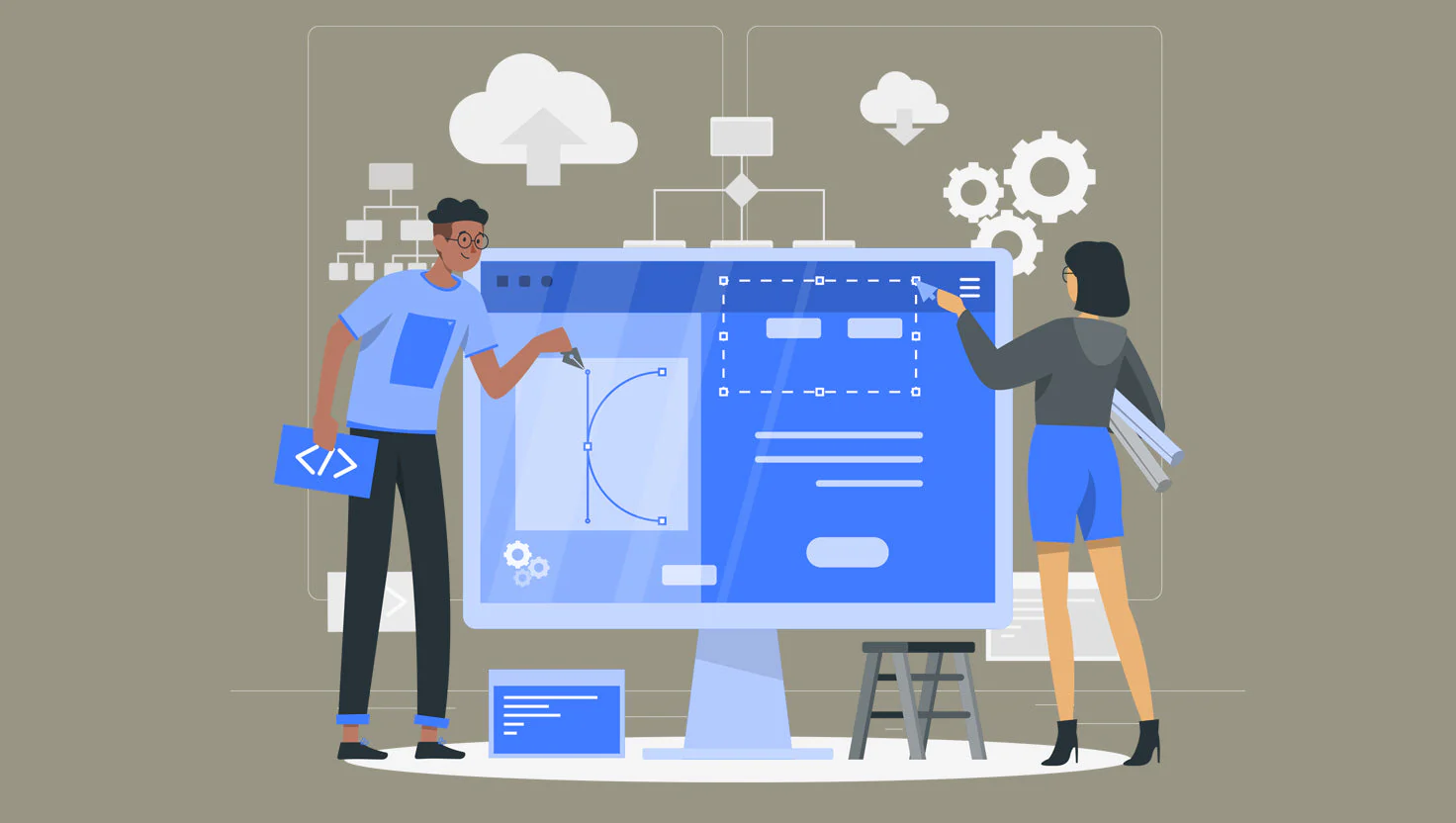
A modern operating system is judged not only by its performance but also by how easy it is to use. In 2026, user experience is a top priority.
Graphical interfaces have become smoother, more responsive, and highly customizable. Users can personalize themes, layouts, and system behavior according to their preferences. Features like dark mode are not just aesthetic but also improve usability and reduce eye strain.
Voice assistants are now deeply integrated into operating systems, allowing users to perform tasks using simple voice commands. This has made technology more accessible, especially for beginners and differently-abled users.
Gesture-based controls, especially on mobile devices and touch-enabled systems, have further simplified navigation. Instead of relying on buttons, users can swipe, pinch, and tap to interact with the system.
Overall, modern operating systems aim to deliver a seamless and intuitive experience for all types of users.
5. Strong Hardware and Device Compatibility
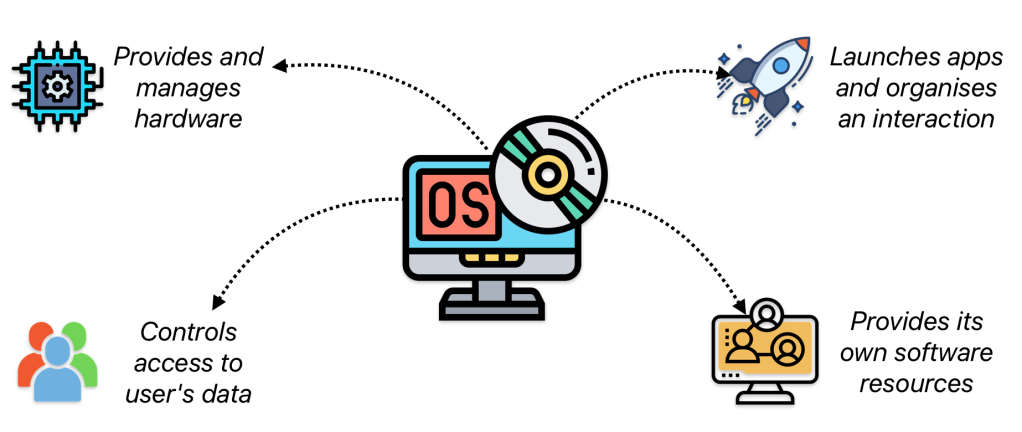
An operating system must act as a bridge between software and hardware. In 2026, this capability has expanded to support a wide range of devices, from traditional peripherals to smart IoT systems.
Plug-and-play functionality ensures that devices such as keyboards, printers, and USB drives are detected automatically without requiring manual setup. The OS manages device drivers efficiently, updating them when needed to ensure compatibility and performance.
Modern operating systems also support cross-platform functionality. This means data and applications can work seamlessly across different devices, such as laptops, smartphones, and tablets.
With the growth of IoT, operating systems now interact with smart home devices, wearables, and industrial systems. This has created a connected ecosystem where multiple devices communicate and work together smoothly.
6. Cloud Integration and Scalability
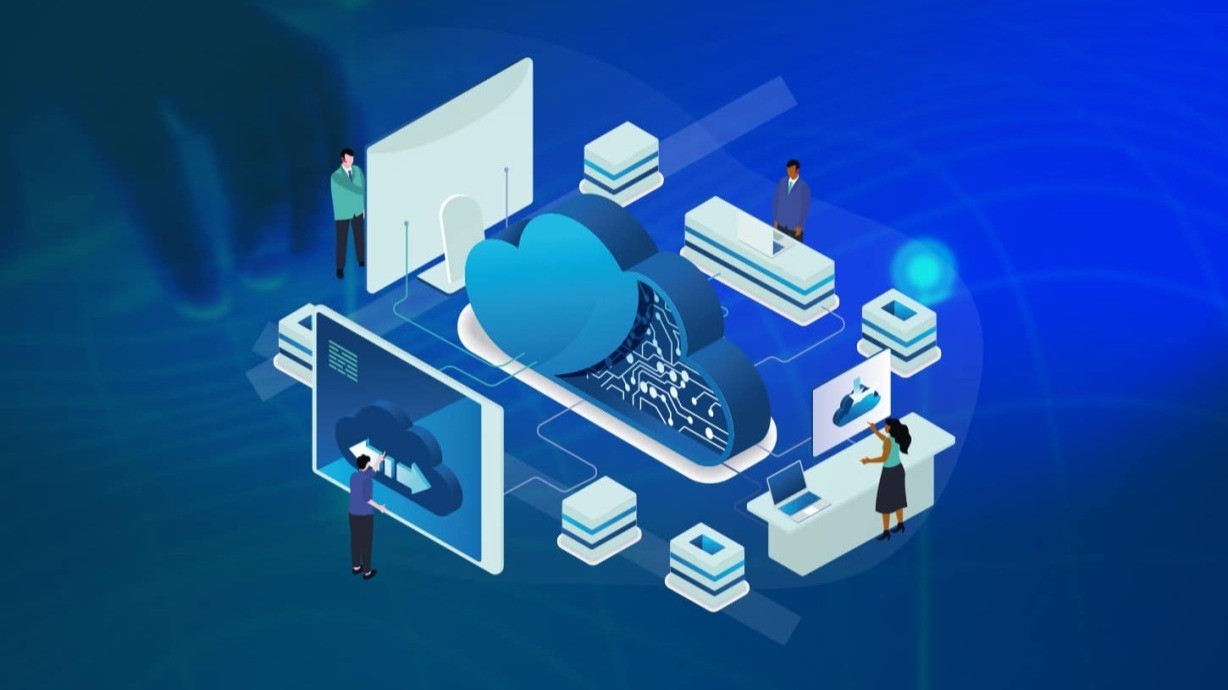
Cloud integration is one of the most significant advancements in modern operating systems. In 2026, the boundary between local systems and cloud environments is almost invisible.
Operating systems now allow seamless synchronization of files, settings, and applications across multiple devices. You can start a task on one device and continue it on another without any interruption.
Remote access capabilities have also improved. Users can access their systems and data from anywhere in the world, making remote work more efficient than ever.
Scalability is particularly important for businesses. Modern operating systems can handle increasing workloads by integrating with cloud infrastructure. This makes them suitable for everything from personal use to enterprise-level applications.
Additionally, support for distributed and edge computing allows faster data processing closer to the source, reducing latency and improving performance.
Conclusion
Operating systems in 2026 are powerful, intelligent, and deeply integrated with modern technologies. They are designed not just to manage hardware but to deliver a complete computing experience.
From advanced process and memory management to strong security, intuitive interfaces, and cloud integration, every characteristic plays a vital role in shaping how systems perform today.
As technology continues to evolve, operating systems will become even smarter, more secure, and more user-centric—making them one of the most important components in the digital world.
Kaashiv Infotech Offers Software Testing Course & other Programming & Non Coding Courses visit our website www.kaashivinfotech.com.
Related Reads: