Data Science vs Computer Science in 2026: A Deep Guide to Choosing Your Ideal Tech Career

Choosing between Data Science vs Computer Science is one of the most important decisions for students entering the tech world today. Both fields are powerful, future-proof, and filled with opportunities—but they are fundamentally different in how they approach problems and create value.
Table Of Content
While Computer Science focuses on building the systems and applications that power our digital world, Data Science revolves around extracting meaningful insights from the massive amounts of data those systems generate. Understanding this distinction is the first step toward making the right career choice.
This guide will take you deep into both fields—beyond surface-level differences—so you can clearly decide which path aligns with your interests, strengths, and long-term goals.
Understanding Computer Science

Computer Science is one of the oldest and most foundational disciplines in technology. It deals with the theory, design, development, and application of software and computational systems. If you’ve ever used a mobile app, website, or even an operating system, you’ve interacted with the output of Computer Science.
At its core, Computer Science is about building reliable, efficient, and scalable solutions to computational problems. It teaches you how software works internally—from memory management to networking—and how to design systems that can handle millions of users.
A student pursuing Computer Science spends a significant amount of time mastering programming languages, understanding algorithms, and learning how different parts of a computer system interact. Over time, this knowledge evolves into the ability to build complex applications like social media platforms, cloud systems, or even game engines.
What makes Computer Science powerful is its versatility. A strong CS foundation allows you to move across domains such as web development, mobile apps, cybersecurity, cloud computing, and even artificial intelligence.
Understanding Data Science
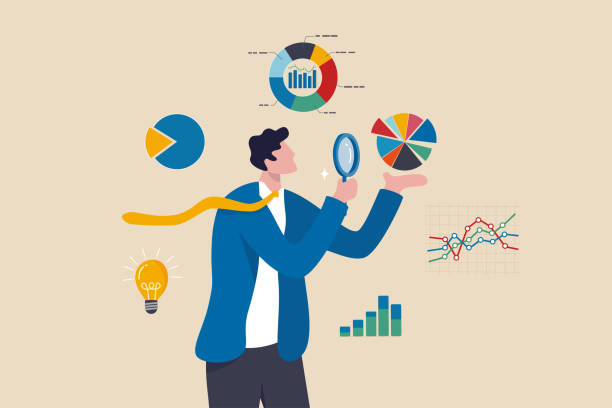
Data Science is a relatively newer field that has grown rapidly with the explosion of data in the digital age. Every click, purchase, search, and interaction generates data—and Data Science is the discipline that turns this raw information into actionable insights.
Unlike Computer Science, which focuses on building systems, Data Science focuses on understanding what the data is trying to tell us.
A Data Scientist works with large datasets, cleans and processes them, applies statistical techniques, and builds machine learning models to predict future outcomes. For example, recommendation systems used by platforms like Netflix or Amazon are powered by Data Science.
This field is inherently interdisciplinary. It combines programming, statistics, and domain knowledge. You’re not just writing code—you’re asking questions like:
- Why are sales dropping?
- What will customers buy next?
- How can we detect fraud?
The answers to these questions drive business decisions, making Data Science highly valuable in industries like finance, healthcare, e-commerce, and marketing.
Core Differences: A Conceptual Perspective
To truly understand the difference, think of it this way:
Computer Science builds the engine, while Data Science analyzes the fuel and performance.
A Computer Scientist might build a scalable e-commerce platform capable of handling millions of transactions. A Data Scientist, on the other hand, would analyze user behavior on that platform to improve sales, personalize recommendations, and optimize pricing strategies.
Another key difference lies in how problems are approached. Computer Science is more deterministic—you write logic that produces predictable outputs. Data Science is probabilistic—you build models that make predictions with certain levels of accuracy.
Mathematics also plays different roles. While Computer Science uses math in algorithms and logic, Data Science heavily depends on statistics, probability, and linear algebra to interpret data and build models.
Skills and Learning Curve
The learning journey in both fields is quite different, and this often becomes the deciding factor for many students.
In Computer Science, the initial phase is heavily focused on programming and problem-solving. You learn how to think logically, break down problems, and implement efficient solutions. Over time, you move into system design, scalability, and real-world software engineering practices.
Data Science, however, introduces complexity in a different way. Along with programming, you must understand statistics and data interpretation. You’ll spend time learning how to clean messy data, visualize patterns, and build predictive models. It requires patience and curiosity, as real-world data is rarely clean or straightforward.
Students who enjoy structured problem-solving often prefer Computer Science, while those who enjoy exploration and pattern discovery tend to lean toward Data Science.
Career Opportunities and Industry Demand
Both fields offer strong career opportunities, but the nature of jobs differs significantly.
Computer Science graduates typically enter roles like software development, where they build applications, design backend systems, or work on cloud infrastructure. These roles are present in almost every tech-driven company, making them widely available and stable.
Data Science roles, while slightly fewer in number, are highly specialized and often more impactful in decision-making processes. Companies rely on Data Scientists to guide strategies, improve efficiency, and predict trends.
In 2026, the demand for Data Science is growing rapidly due to advancements in artificial intelligence and big data technologies. However, Computer Science remains the backbone of the tech industry, ensuring consistent demand across all sectors.

Salary Trends and Growth
From a financial perspective, both careers are rewarding. However, salary growth often depends on skill level, specialization, and experience rather than just the field itself.
Entry-level Computer Science professionals may start with solid salaries, especially in software development roles. As they gain experience and move into senior or specialized roles like system architects or cloud engineers, their earning potential increases significantly.
Data Science roles often offer slightly higher starting salaries in some markets because of the specialized skill set required. Professionals with expertise in machine learning or AI can command very high salaries, especially in top-tier companies.
Which One is Right for You?
The decision ultimately comes down to your personal interests and how you enjoy solving problems.
If you find satisfaction in building applications, writing code, and understanding how systems work internally, Computer Science is likely the better fit. It offers a structured and engineering-focused path where you create tangible products.
On the other hand, if you are curious about patterns, enjoy working with data, and like drawing insights that influence decisions, Data Science may be the ideal choice. It allows you to explore data creatively and solve real-world problems in a more analytical way.
It’s also worth noting that the boundary between these fields is gradually blurring. Many modern roles require a combination of both skills. For instance, machine learning engineers need strong programming skills along with an understanding of data and algorithms.
The Future: Convergence of Both Fields
As technology evolves, the distinction between Data Science and Computer Science is becoming less rigid. Artificial intelligence, automation, and data-driven systems are creating hybrid roles that demand expertise in both areas.
Professionals who can both build systems and analyze data will have a significant advantage in the coming years. This makes it beneficial for students to develop a foundational understanding of Computer Science and then explore Data Science concepts as they progress.
Final Thoughts
There is no universally “better” choice between Data Science and Computer Science—only the one that aligns with your mindset and career vision.
Computer Science is about creating the digital world, while Data Science is about understanding and improving it.
If you are still unsure, starting with Computer Science fundamentals is often a safe and flexible approach. It provides a strong base that allows you to transition into Data Science later if your interests evolve.
In the end, success in either field depends not just on your choice, but on your consistency, curiosity, and willingness to learn in an ever-changing tech landscape.
Want to learn more ?, Kaashiv Infotech Offers, Data Science Course, Data Analytics Course, Power BI & More, Visit Our Website course.kaashivinfotech.com.
Related Reads: