


Introduction
We live in the age of data. Every click, swipe, purchase, and search generates an ocean of digital information. But data alone is meaningless unless we can make sense of it. That’s where data mining comes in—a powerful technique used to extract useful, actionable insights from massive datasets. It allows us to uncover hidden patterns, forecast future trends, and make data-driven decisions across nearly every industry.
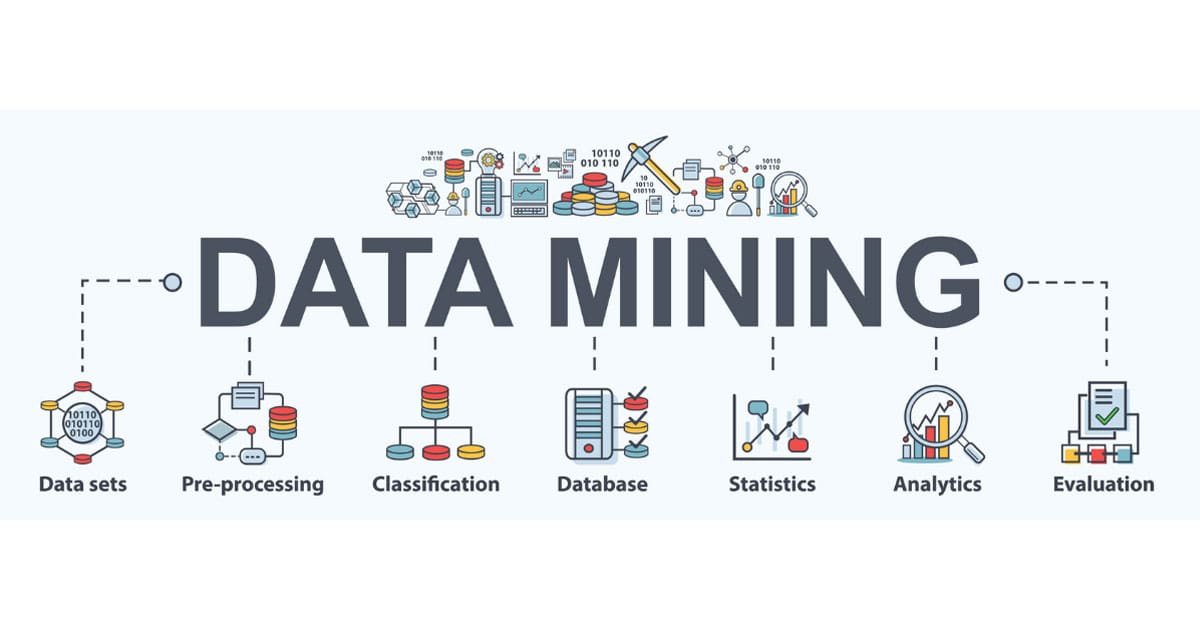
Table Of Content
- Introduction
- What is Data Mining Definition?
- Why is Data Mining Important?
- The Data Mining Process: Step-by-Step
- 1. Data Collection
- 2. Data Cleaning
- 3. Data Integration
- 4. Data Selection
- 5. Data Transformation
- 6. Data Mining
- 7. Pattern Evaluation
- 8. Knowledge Representation
- Key Techniques in Data Mining
- 1. Classification
- 2. Clustering
- 3. Association Rule Mining
- 4. Regression Analysis
- 5. Anomaly Detection
- 6. Sequential Pattern Mining
- Real-World Applications of Data Mining
- 📈 Business Intelligence
- 🏥 Healthcare
- 🏦 Finance and Banking
- 🛍️ Retail and E-commerce
- 🌐 Telecommunications
- 🏭 Manufacturing
- Benefits of Data Mining
- Challenges in Data Mining
- Data Mining Meaning to the Future
- Conclusion
In this detailed guide, we’ll dive deep into the concept of data mining, explore how it works, examine key techniques, and discover its many practical applications in the real world.
What is Data Mining Definition?
Data mining is the process of analyzing large volumes of data to discover patterns, correlations, anomalies, and trends. It is often considered a core step within the broader process of Knowledge Discovery in Databases (KDD). By using techniques from statistics, machine learning, artificial intelligence, and database systems, data mining transforms raw data into meaningful knowledge.
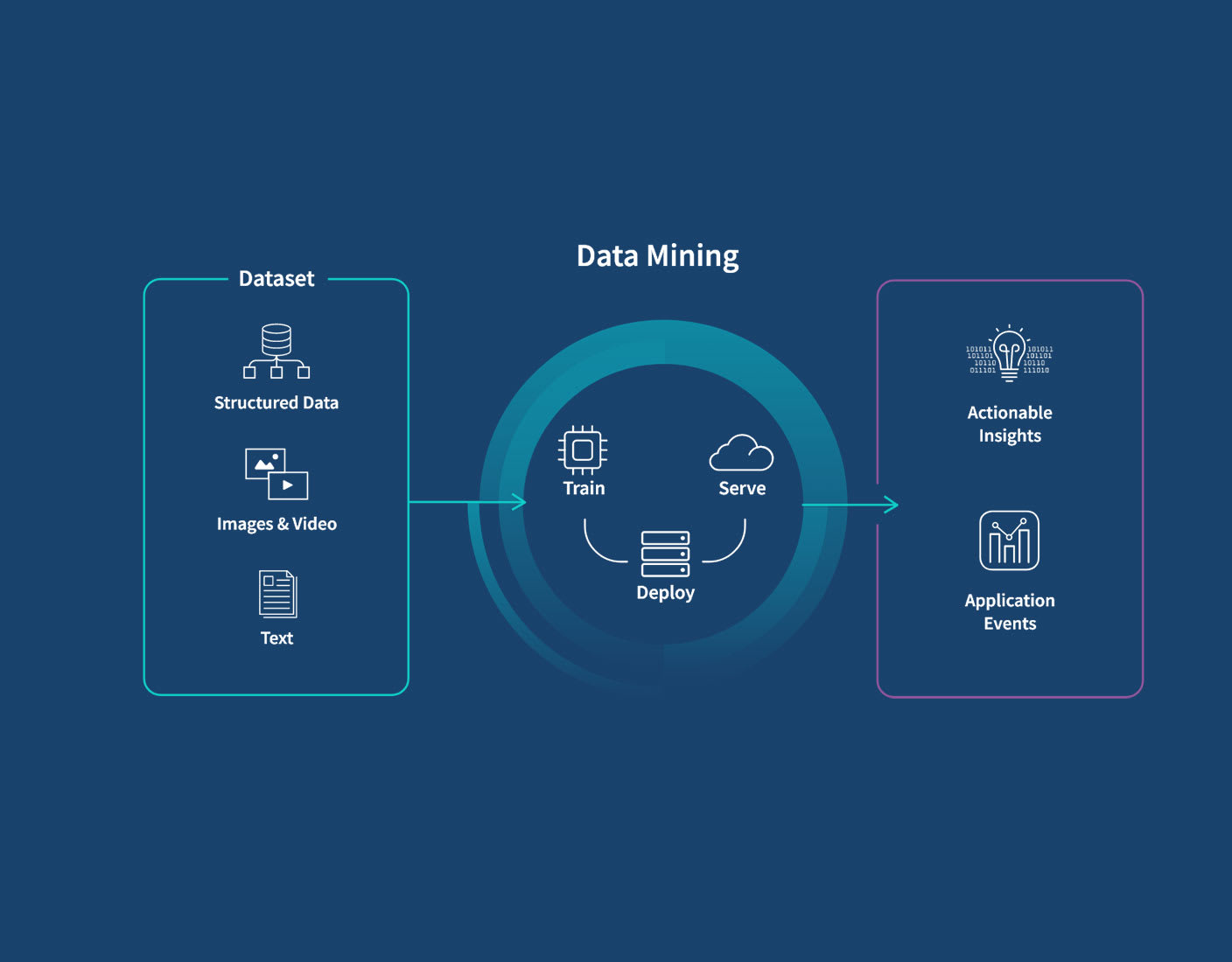
Unlike traditional data analysis, which might rely on manual interpretation or straightforward statistical methods, data mining uses algorithms to automate the search for insights in complex datasets.
Why is Data Mining Important?
The value of data mining lies in its ability to:
-
Improve decision-making by revealing underlying data patterns.
-
Predict outcomes using historical data trends.
-
Optimize business operations and increase efficiency.
-
Enhance customer experiences through personalized recommendations.
-
Detect anomalies such as fraud or operational failures before they escalate.
As businesses and institutions accumulate more data than ever before, the ability to mine that data effectively has become a critical competitive advantage.
The Data Mining Process: Step-by-Step
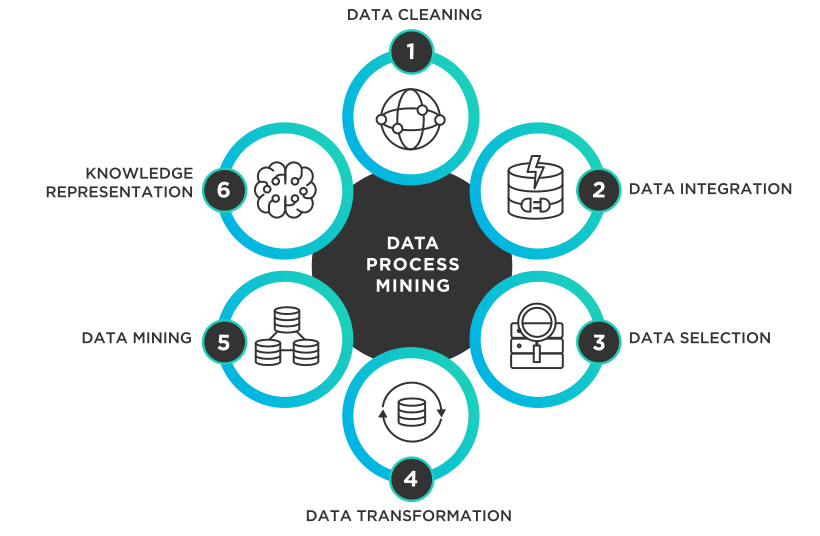
Data mining is not a one-off task but a systematic, multi-step process that ensures the quality and usability of the insights obtained. Here’s a typical workflow:
1. Data Collection
This involves gathering data from multiple sources—databases, spreadsheets, web logs, sensors, or transactional systems. The quality and relevance of the data at this stage directly impact the final results.
2. Data Cleaning
Real-world data is often noisy, incomplete, and inconsistent. Data cleaning involves removing duplicates, correcting errors, handling missing values, and ensuring the dataset is reliable.
3. Data Integration
If data comes from multiple sources, it must be combined and structured into a unified dataset. This step may involve resolving schema conflicts and merging data formats.
4. Data Selection
Not all collected data will be relevant. Data selection focuses on choosing the data attributes and records most useful for the mining task.
5. Data Transformation
Data is then transformed or consolidated into forms suitable for mining. This could include normalization, aggregation, or attribute construction.
6. Data Mining
This is the core step where algorithms are applied to extract meaningful patterns, relationships, and models from the dataset.
7. Pattern Evaluation
The discovered patterns are evaluated for interestingness and usefulness. Not every detected pattern is valuable—some may be trivial or irrelevant.
8. Knowledge Representation
Finally, the mined knowledge is presented using visualizations, reports, or dashboards, allowing decision-makers to interpret and act on the results.
Key Techniques in Data Mining
Data mining encompasses a wide range of techniques, each suited to different types of data analysis tasks.
1. Classification
Classification assigns data into predefined categories or classes. For example, an email spam filter classifies messages as “spam” or “not spam”. Algorithms commonly used include Decision Trees, Naïve Bayes, and Support Vector Machines.
2. Clustering
Unlike classification, clustering involves grouping data points based on similarity without predefined labels. For instance, clustering can segment customers based on purchasing behavior. Popular clustering algorithms include K-Means, DBSCAN, and Hierarchical Clustering.
3. Association Rule Mining
This technique identifies relationships between variables in large datasets. A famous example is Market Basket Analysis, which might find that customers who buy bread also frequently buy butter. The Apriori algorithm is widely used here.
4. Regression Analysis
Regression predicts a numeric outcome based on input variables. It is used in scenarios like predicting house prices or sales revenue. Linear and logistic regression are standard methods.
5. Anomaly Detection
Also known as outlier detection, this identifies rare events or data points that deviate significantly from the norm—useful in fraud detection, network security, or quality assurance.
6. Sequential Pattern Mining
This technique discovers regular sequences or trends over time, such as frequent purchase patterns in e-commerce or user behavior on a website.

Real-World Applications of Data Mining
📈 Business Intelligence
Organizations use data mining to analyze consumer behavior, optimize supply chains, and improve marketing strategies. Predictive analytics helps companies anticipate demand and make informed decisions.
🏥 Healthcare
Data mining in healthcare helps predict disease outbreaks, improve diagnostics, and personalize patient care. It can identify high-risk patients and suggest preventive measures based on historical data.
🏦 Finance and Banking
In the financial sector, data mining is used for credit scoring, risk management, fraud detection, and algorithmic trading. By identifying unusual transaction patterns, banks can reduce financial fraud.
🛍️ Retail and E-commerce
Online retailers use data mining to power recommendation systems, segment customers, and manage inventories. Platforms like Amazon and Netflix rely heavily on mining data to personalize user experiences.
🌐 Telecommunications
Telecom companies analyze usage patterns to reduce customer churn, plan network expansions, and detect fraudulent activities.
🏭 Manufacturing
In industrial settings, data mining enables predictive maintenance, process optimization, and defect detection, saving costs and reducing downtime.
Benefits of Data Mining
-
Efficient decision-making through data-driven insights.
-
Enhanced customer satisfaction by identifying preferences and behaviors.
-
Revenue growth via optimized marketing and operations.
-
Operational efficiency through automation and anomaly detection.
-
Risk reduction by identifying potential threats before they escalate.
Challenges in Data Mining
While powerful, data mining is not without its limitations:
-
Data Quality: Inaccurate or incomplete data can lead to misleading results.
-
Scalability: Analyzing massive datasets requires significant computing resources.
-
Privacy and Security: Mining sensitive information raises ethical and legal concerns.
-
Interpretability: Complex models may produce accurate results but are hard to interpret.
Data Mining Meaning to the Future
The future of data mining is promising, with advancements in AI and machine learning driving more sophisticated and automated mining processes. Integration with big data, cloud computing, and edge analytics will allow real-time insights and decision-making at scale.
As industries become increasingly data-driven, the demand for skilled data analysts and mining professionals will only continue to rise.

Conclusion
Data mining is the gateway to understanding the hidden value within data. It empowers businesses, governments, researchers, and professionals to make better decisions, uncover unknown patterns, and innovate across sectors. As the digital world continues to expand, the ability to mine data effectively will become one of the most crucial skills and assets in the modern world.
Whether you’re exploring customer behavior, predicting stock market trends, or enhancing healthcare outcomes, data mining transforms raw data into gold.
Understanding the nature of your data is a crucial part of any data mining project. Different types of data—such as structured, unstructured, or categorical—require different handling methods. For a detailed breakdown, explore Data Types in Data Science: Top 4 Must-Know Categories Explained.


