Cybersecurity Vs Ethical Hacking: Top 10 Differences is a topic that confuses many beginners. I remember when I first started learning about information security. I thought cybersecurity and ethical hacking were exactly the same thing. After all, both deal with protecting computers and networks, right?
Table Of Content
- 📌 Key Highlights
- Real-Life Example
- Real-Life Example
- Cybersecurity Vs Ethical Hacking: Why People Confuse Them
- 1. Purpose: Cybersecurity Vs Ethical Hacking
- Cybersecurity
- Ethical Hacking
- Simple Difference
- 2. Daily Responsibilities
- Cybersecurity Professionals
- Ethical Hackers
- 3. Mindset and Approach
- 4. Job Roles and Career Paths
- Common Cybersecurity Roles
- Common Ethical Hacking Roles
- 5. Skills Required
- Cybersecurity Skills
- Ethical Hacking Skills
- 6. Tools Used
- Cybersecurity Tools
- Ethical Hacking Tools
- 7. Certifications
- Cybersecurity Certifications
- Ethical Hacking Certifications
- 8. Work Environment
- 9. Success Measurement
- Cybersecurity Success
- Ethical Hacking Success
- Cybersecurity Vs Ethical Hacking: Quick Comparison Table
- Which Career Should You Choose?
Not quite.
If you’re searching for Cybersecurity Vs Ethical Hacking: Top 10 Differences, you’re probably trying to decide which career path to choose, understand how these fields work, or prepare for an interview. The short answer is this:
👉 Cybersecurity focuses on protecting systems, while ethical hacking focuses on finding weaknesses before attackers do.
Both are important. Both are exciting. But they serve different purposes.
In this guide, I’ll break down the Cybersecurity Vs Ethical Hacking: Top 10 Differences in simple language with real-world examples.
📌 Key Highlights
- Learn the top 10 differences between cybersecurity and ethical hacking
- Understand career opportunities in both fields
- Discover required skills and certifications
- Explore real-world examples
- Find out which career path may suit you better
- Beginner-friendly explanations with no technical jargon
What Is Cybersecurity?
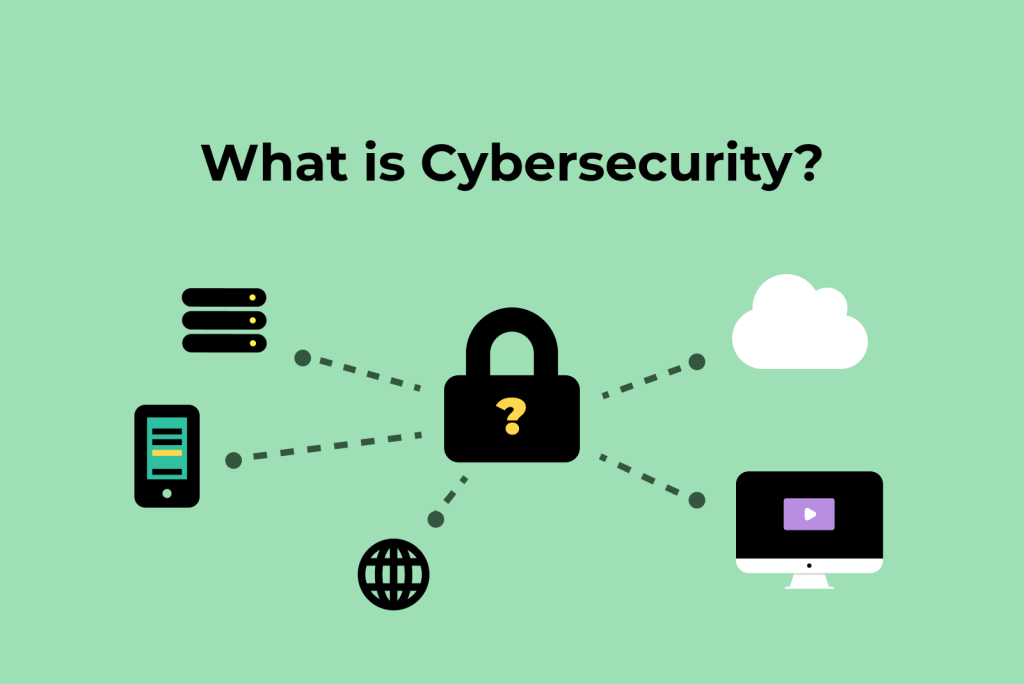
Before comparing Cybersecurity Vs Ethical Hacking: Top 10 Differences, let’s understand cybersecurity.
Cybersecurity is the practice of protecting computers, networks, applications, and data from cyber threats.
Think of cybersecurity as the security team protecting a shopping mall.
Their job includes:
- Monitoring security systems
- Preventing attacks
- Responding to incidents
- Protecting customer information
- Managing security policies
Real-Life Example
When I log into my online banking account, cybersecurity professionals work behind the scenes to ensure my data stays safe.
Without cybersecurity, sensitive information could be stolen easily.
What Is Ethical Hacking?
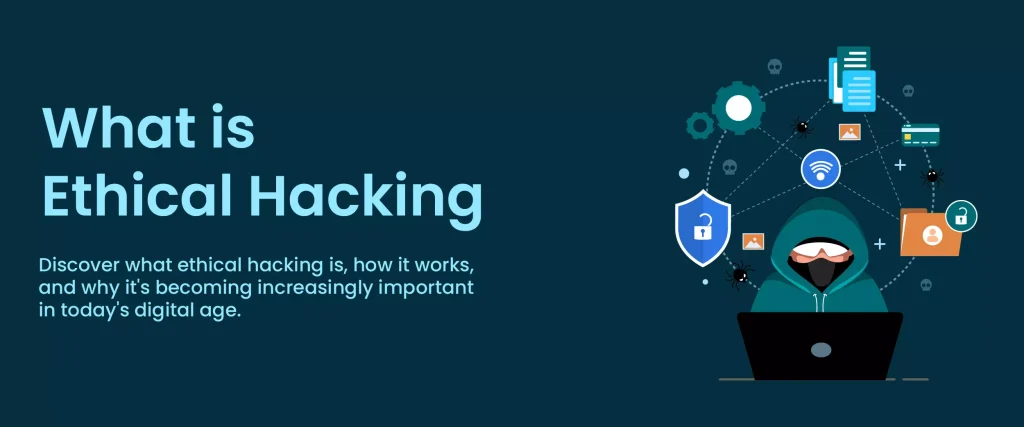
Now let’s talk about ethical hacking.
Ethical hacking involves legally testing systems for vulnerabilities before cybercriminals find them.
Ethical hackers are often called white-hat hackers.
Instead of stealing data, they help organizations discover weaknesses.
Real-Life Example
Imagine hiring someone to try breaking into your house so you can improve your locks.
That’s essentially what ethical hackers do for computer systems.
Cybersecurity Vs Ethical Hacking: Why People Confuse Them
I completely understand the confusion.
Both fields:
✅ Protect organizations
✅ Deal with cyber threats
✅ Require technical knowledge
✅ Work with networks and systems
However, their day-to-day responsibilities differ significantly.
Let’s explore the Cybersecurity Vs Ethical Hacking: Top 10 Differences.
1. Purpose: Cybersecurity Vs Ethical Hacking
Cybersecurity
The goal is protection and defense.
Professionals continuously secure systems and data.
Ethical Hacking
The goal is finding vulnerabilities through authorized testing.
Professionals simulate attacks to expose weaknesses.
Simple Difference
Cybersecurity = Defend
Ethical Hacking = Test
2. Daily Responsibilities
Cybersecurity Professionals
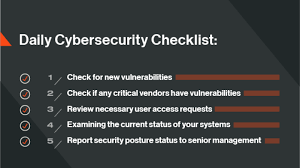
They often:
- Monitor security alerts
- Analyze threats
- Manage firewalls
- Respond to incidents
- Create security policies
Ethical Hackers
They typically:
- Conduct penetration testing
- Scan for vulnerabilities
- Exploit weaknesses safely
- Create security reports
- Recommend fixes
This is one of the biggest points in Cybersecurity Vs Ethical Hacking: Top 10 Differences.
3. Mindset and Approach
A cybersecurity professional usually thinks:
“How can I protect this system?”
An ethical hacker thinks:
“How could an attacker break into this system?”
Both perspectives matter.
One builds defenses.
The other tests those defenses.
4. Job Roles and Career Paths
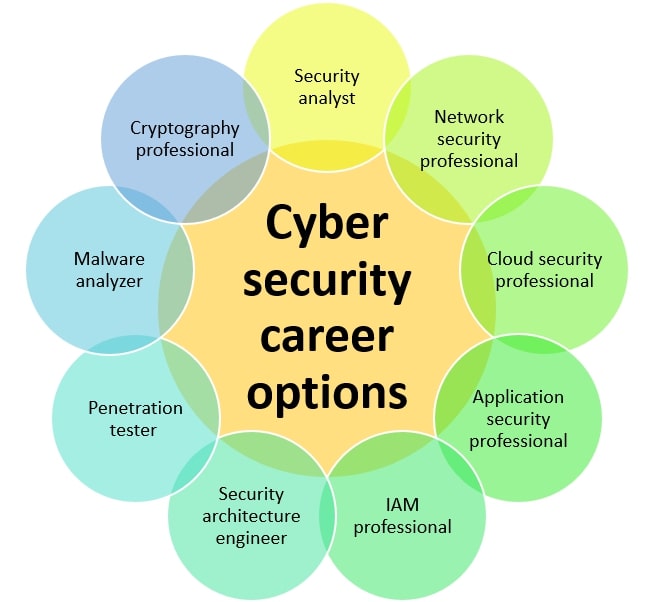
Common Cybersecurity Roles
- Security Analyst
- Security Engineer
- Incident Responder
- Security Architect
- SOC Analyst
Common Ethical Hacking Roles
- Penetration Tester
- Ethical Hacker
- Red Team Specialist
- Security Consultant
- Vulnerability Assessor
When discussing Cybersecurity Vs Ethical Hacking: Top 10 Differences, career paths are often the deciding factor.
5. Skills Required
Cybersecurity Skills
- Network security
- Risk management
- Security monitoring
- Incident response
- Compliance knowledge
Ethical Hacking Skills
- Penetration testing
- Linux administration
- Network scanning
- Exploitation techniques
- Vulnerability assessment
Ethical hackers generally require deeper offensive security skills.
6. Tools Used
Cybersecurity Tools
Common tools include:
- SIEM platforms
- Antivirus solutions
- Firewalls
- Endpoint protection software
Ethical Hacking Tools
Popular tools include:
- Nmap
- Wireshark
- Metasploit
- Burp Suite
Remember, tools themselves are not illegal. How they’re used matters.
7. Certifications
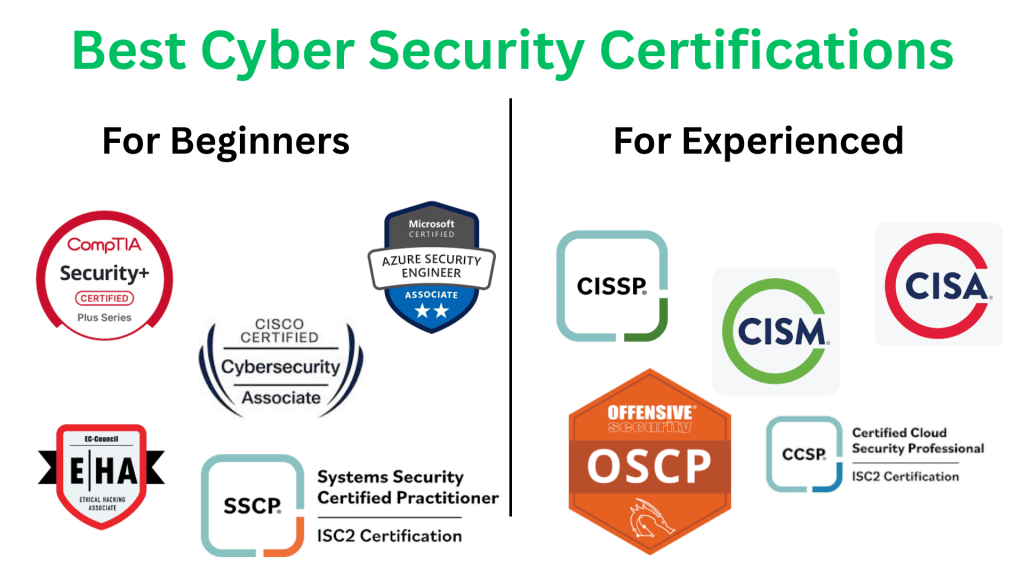
Another important point in Cybersecurity Vs Ethical Hacking: Top 10 Differences is certification.
Cybersecurity Certifications
- CompTIA Security+
- CISSP
- CISM
- Security Analyst Certifications
Ethical Hacking Certifications
- CEH (Certified Ethical Hacker)
- OSCP
- eJPT
- GPEN
These certifications validate different skill sets.
8. Work Environment
Cybersecurity teams usually work continuously to maintain security.
Ethical hackers often work on projects or assessments.
For example:
A company may hire ethical hackers twice a year for testing.
Meanwhile, cybersecurity teams protect systems every single day.
9. Success Measurement
Cybersecurity Success
Success means:
- Preventing breaches
- Detecting threats quickly
- Maintaining compliance
- Protecting data
Ethical Hacking Success
Success means:
- Finding vulnerabilities
- Demonstrating risks
- Helping organizations improve security
Different goals, same ultimate mission.
10. Career Demand and Salary
The good news?
Both careers are in demand.
Organizations need defenders and testers.
As cyber threats increase, demand for cybersecurity professionals and ethical hackers continues to grow globally.
Whether you choose cybersecurity or ethical hacking, opportunities exist in:
- Banking
- Healthcare
- Government
- Technology
- E-commerce
Cybersecurity Vs Ethical Hacking: Quick Comparison Table
| Feature | Cybersecurity | Ethical Hacking |
|---|---|---|
| Primary Goal | Protection | Vulnerability Testing |
| Approach | Defensive | Offensive |
| Focus | Security Operations | Penetration Testing |
| Work Style | Continuous Monitoring | Periodic Assessments |
| Main Objective | Prevent Attacks | Discover Weaknesses |
| Key Role | Defender | Tester |
| Typical Tasks | Monitoring & Response | Simulated Attacks |
| Certifications | Security+, CISSP | CEH, OSCP |
| Mindset | Protect Systems | Think Like Attackers |
| Career Path | Blue Team | Red Team |
Which Career Should You Choose?
I get this question all the time.
The answer depends on your interests.
Choose Cybersecurity if you enjoy:
✅ Monitoring systems
✅ Investigating threats
✅ Building defenses
✅ Managing security operations
Choose Ethical Hacking if you enjoy:
✅ Solving puzzles
✅ Testing systems
✅ Finding vulnerabilities
✅ Thinking like attackers
Personally, I find both fascinating because they complement each other.
Final Thoughts
When comparing Cybersecurity Vs Ethical Hacking: Top 10 Differences, there’s no winner.
Cybersecurity professionals build and maintain defenses.
Ethical hackers test those defenses and uncover weaknesses.
Think of it this way:
A castle needs guards watching the walls. It also needs experts who can identify weak spots before enemies find them.
That’s exactly how cybersecurity and ethical hacking work together.
If you’re just starting your journey, learn the fundamentals of cybersecurity first. Once you understand how systems are protected, ethical hacking becomes much easier to grasp.
No matter which path you choose, you’ll be entering one of the most exciting and fast-growing fields in technology today. 🚀
Staying informed about types of hacking, real-world attack examples, and modern defense strategies is your best bet in protecting yourself and your organization.
If you want to know more about ethical hacking, check out our website www.kaashivinfotech.com for expert training, workshops, and resources.