
![Spring Boot AI A Beginner's Guide [2026]](https://www.kaashivinfotech.com/blog/wp-content/uploads/2026/07/Spring-Boot-AI-A-Beginners-Guide-2026-1248x702.png)
Spring Boot AI is quickly becoming one of the easiest ways for Java developers to build intelligent applications. Spring Boot AI allows you to connect your Spring Boot projects with powerful AI models, making it simple to create chatbots, AI assistants, document search tools, content generators, and much more.
When I first heard about Spring Boot AI, I assumed it was another complicated framework that would take weeks to understand. But after exploring it, I realized it’s designed to feel familiar if you’ve already worked with Spring Boot. Instead of learning an entirely new ecosystem, you can add AI features to the applications you’re already building.
If you’re a Java developer or someone learning Spring Boot, this guide will explain everything you need to know about Spring Boot AI, including what it is, why it’s gaining popularity, its features, real-world use cases, and how to get started.
🌟 Key Highlights
- 🤖 Learn what Spring Boot AI is and why Java developers are using it.
- 🚀 Discover how Spring Boot AI connects applications with modern AI models.
- 💻 Understand the key features of Spring Boot AI.
- 📚 Learn the prerequisites before getting started.
- 🛠️ Explore real-world examples and use cases.
- 🌍 Find useful learning resources and documentation.
- 🎯 Follow a beginner-friendly roadmap to build your first AI application.
What Is Spring Boot AI?
Spring Boot AI is an open-source project from the Spring ecosystem that helps Java developers integrate Artificial Intelligence (AI) capabilities into Spring Boot applications.
Instead of manually handling API requests, authentication, prompts, and AI responses, Spring Boot AI provides a consistent programming model that simplifies working with different AI providers.
Think of it as a bridge between your Java application and modern AI models.
For example, you can build:
- AI chatbots 💬
- Content generators ✍️
- Question-answering systems
- Document summarization tools
- AI-powered search applications
- Customer support assistants
The best part? If you’re already comfortable with Spring Boot, using Spring Boot AI feels natural.
Why Is Spring Boot AI Becoming So Popular? 📈
Over the past few years, AI has moved from research labs into everyday applications. Businesses now want to add AI features without rebuilding their entire software stack.
That’s where Spring Boot AI shines.
Here’s why developers are adopting it:
- Easy integration with Spring Boot projects
- Support for multiple AI providers
- Familiar Spring programming model
- Simplified prompt handling
- Better maintainability
- Reduced development time
I like that it lets me focus on solving business problems instead of spending hours writing repetitive integration code.
How Does Spring Boot AI Work?
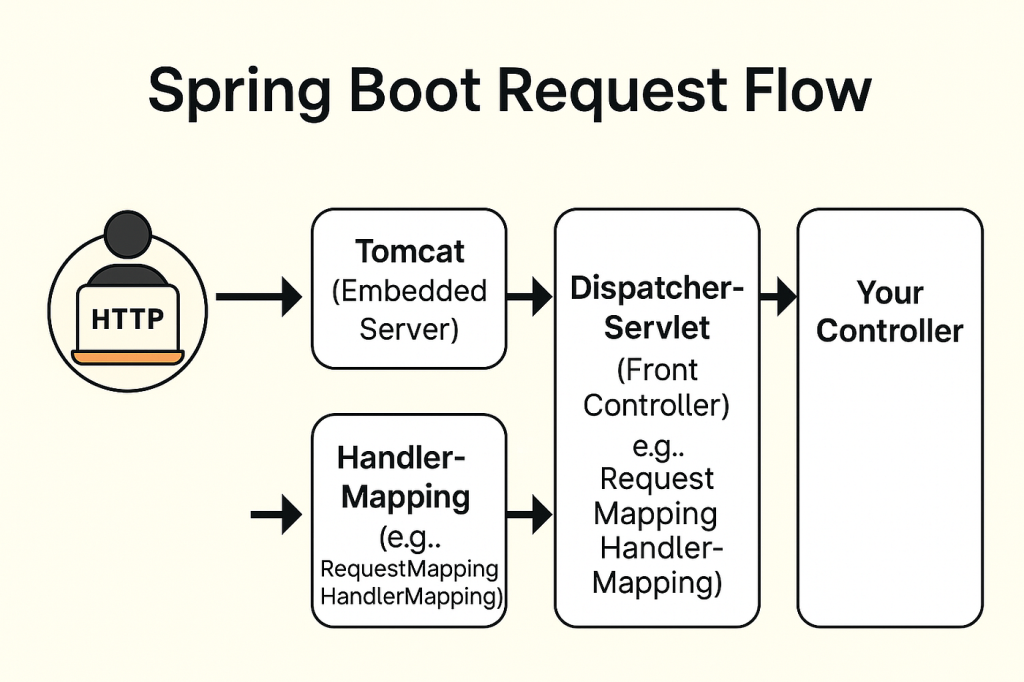
At a high level, Spring Boot AI works like this:
- Your Spring Boot application receives a user request.
- Spring Boot AI sends the prompt to an AI model.
- The AI processes the request.
- The response is returned to your application.
- Your application displays the result to the user.
This workflow hides much of the complexity involved in interacting with AI services.
Key Features of Spring Boot AI
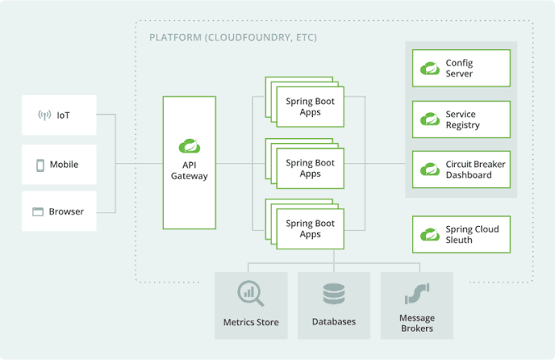
One reason I enjoy working with Spring Boot AI is that it includes features developers actually need.
1. Easy AI Model Integration
Spring Boot AI provides connectors for popular AI services, allowing you to integrate them with minimal configuration.
2. Prompt Management
Writing effective prompts is an important part of AI development. Spring Boot AI helps organize and manage prompts in a structured way.
3. Chat Support
Building conversational applications becomes much simpler with built-in chat abstractions.
Examples include:
- Customer support bots
- Internal company assistants
- FAQ chatbots
4. Document Processing
You can build applications that analyze, summarize, or answer questions based on documents.
5. Retrieval-Augmented Generation (RAG)
One of the most exciting capabilities is support for Retrieval-Augmented Generation (RAG).
Instead of relying only on a model’s general knowledge, RAG allows the AI to retrieve relevant information from your own documents before generating a response. This helps produce more accurate and context-aware answers.
Prerequisites for Learning Spring Boot AI
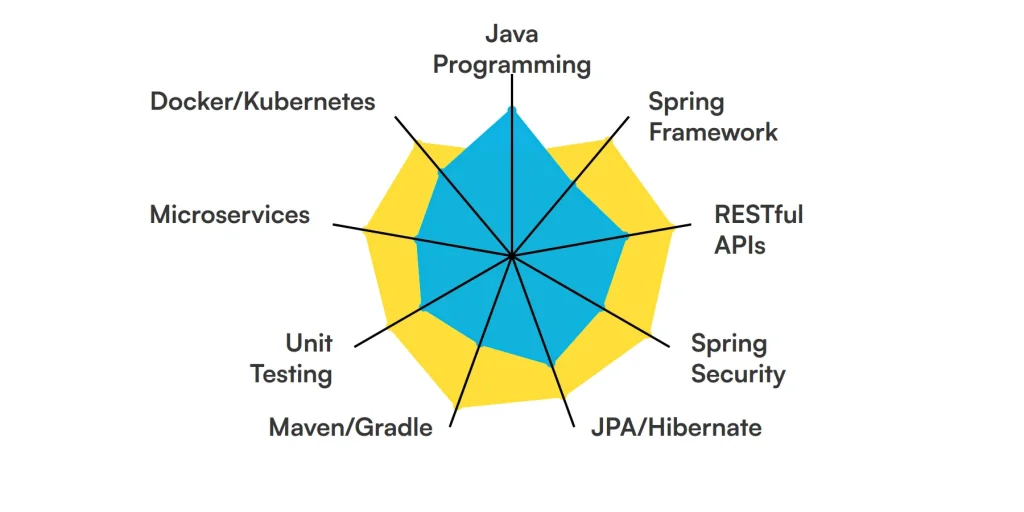
Before diving into Spring Boot AI, I recommend learning these basics:
- Java
- Spring Framework
- Spring Boot
- REST APIs
- Maven or Gradle
- Basic AI concepts
- JSON
- HTTP requests
You don’t need to be an AI expert. A solid understanding of Spring Boot is enough to get started.
Real-World Use Cases of Spring Boot AI
One thing that impressed me is how many practical applications can be built using Spring Boot AI.
💬 AI Chatbots
Companies can provide instant customer support around the clock.
📄 Document Summarization
Long reports can be summarized into short, readable versions.
🛍️ Product Recommendations
Online stores can suggest products based on customer preferences.
📚 Knowledge Base Search
Employees can quickly search internal company documents using natural language.
✉️ Email Generation
AI can draft professional emails, saving valuable time.
🧾 Report Generation
Businesses can automatically generate summaries and reports from structured data.
Benefits of Using Spring Boot AI
There are plenty of reasons why Spring Boot AI is gaining attention.
Some of my favorites include:
- Less boilerplate code
- Faster development
- Easy integration with existing Spring Boot applications
- Clean architecture
- Improved developer productivity
- Scalable applications
- Support for enterprise development
For Java teams already using Spring Boot, adding AI becomes much more manageable.
Challenges to Keep in Mind
No technology is perfect, and Spring Boot AI is no exception.
Some common challenges include:
- Understanding prompt engineering
- Managing API usage costs
- Protecting sensitive data
- Choosing the right AI model
- Handling inaccurate AI responses
- Keeping up with frequent updates in AI services
Being aware of these challenges helps you design better applications.
My Experience Learning Spring Boot AI ❤️
When I started exploring AI with Java, I expected a steep learning curve. There were new concepts everywhere—prompts, embeddings, vector databases, RAG, and AI models.
Instead of trying to master everything at once, I focused on one small project: building a simple chatbot. That single project taught me more than hours of reading documentation.
My advice? Start small. Build something simple, learn from it, and gradually add more advanced features.
How to Get Started with Spring Boot AI
If you’re ready to explore Spring Boot AI, here’s a simple roadmap:
Step 1
Learn Java fundamentals.
Step 2
Understand Spring Boot basics.
Step 3
Create a Spring Boot project using Maven or Gradle.
Step 4
Add the required Spring Boot AI dependencies.
Step 5
Configure your preferred AI provider.
Step 6
Build a simple chatbot or text-generation application.
Step 7
Experiment with prompts and responses.
Step 8
Move on to advanced topics like RAG and document-based AI.
Best Practices for Spring Boot AI Projects
Here are a few habits that can save time:
- Write clear prompts for better AI responses.
- Validate AI output before displaying it to users.
- Protect sensitive information and avoid sending confidential data unnecessarily.
- Monitor API usage to control costs.
- Keep dependencies updated for the latest features and security fixes.
- Test different prompts to improve response quality.
The Future of Spring Boot AI 🚀
AI is becoming a standard feature in modern software, and Java developers don’t want to be left behind.
As the Spring ecosystem continues to evolve, Spring Boot AI is expected to make it even easier to build intelligent applications. We can expect improvements in model integrations, developer tools, and support for enterprise AI use cases.
If you’re already building Java applications, learning Spring Boot AI today can help you stay ahead as AI becomes a normal part of software development.
Final Thoughts 🌟
When I first explored Spring Boot AI, I expected it to be difficult because AI often feels like a complex topic. Instead, I found a framework that fits naturally into the Spring Boot ecosystem and makes adding AI features much less intimidating.
If you’re already learning Java or Spring Boot, this is a great time to explore Spring Boot AI. You don’t need to build a sophisticated AI system on your first day. Start with a simple chatbot, experiment with prompts, and keep building. Every small project will strengthen your understanding and confidence.
The demand for AI-powered applications continues to grow, and developers who understand Spring Boot AI will be well-positioned to build the next generation of intelligent software. So, take the first step, keep learning, and enjoy the journey. Happy coding! 💻🤖
Want to Learn More About Java ?, Kaashiv Infotech Offers, Full Stack Java Course, Java Course, Data Science Course, Internships & More, Visit Their Website www.kaashivinfotech.com.

