In 2025, best mechanical engineering projects are driving innovation in ways that align with global demands for automation, sustainability, and efficiency. These projects serve as an essential gateway for students to apply theoretical knowledge to real-world challenges. If you’re looking for the best mechanical engineering projects, this curated list will give you insight into what’s trending and impactful today.
Table Of Content
- 1. Smart Helmet for Accident Detection
- 2. Bicycle-Powered Water Pump
- 3. 3D Printing of Composite Materials
- 4. Smart Conveyor Belt System
- 5. Robotic Arm with IoT Control
- 6. Solar-Powered Refrigeration System
- 7. Mini-Thermoelectric Generator
- 8. Smart Parking System
- 9. Low-Cost Ventilator for Hospitals
- 10. Automated Painting Robot
- Why These Are the Best Mechanical Engineering Projects in 2025
- Conclusion
As industries evolve, mechanical engineers are at the core of transformation, designing systems that blend traditional engineering with modern technologies. From energy systems and robotics to smart materials and automation, the field is more dynamic than ever. The following mechanical engineering project examples reflect the latest innovations and provide students with forward-thinking opportunities.
This article features the top 10 best mechanical engineering projects in 2025, making it a must-read for students, educators, and professionals who want to stay ahead in the field.
- Internship For Mechanical Students In Chennai
- Artificial Intelligence Course In Chennai
- Software Testing Course In Chennai
- Machine Learning Course In Chennai
- Full Stack Development Course In Chennai
- Front End Development Course In Chennai
- Internships In Chennai
- Internship For CSE Students In Chennai
- Internship For IT Students In Chennai
- Top 50 Mini Project Ideas For College Students
- 15 Unique Web Development Project Ideas For Beginners
If you’re interested in joining Kaashiv Infotech, it sounds like a great opportunity to explore career paths in the tech industry, particularly in the areas of IT, software development, and training. Kaashiv Infotech is known for its services in various domains, including IT Courses, software development, and training for emerging technologies. You could gain valuable experience and contribute to innovative projects while enhancing your skill set in a dynamic environment.
1. Smart Helmet for Accident Detection
Among the best mechanical engineering projects for safety and wearable tech. It uses sensors and GPS modules to detect accidents and send real-time alerts. This project combines mechanical design with IoT features, making it ideal for urban mobility and road safety applications.
In addition to accident detection, the smart helmet can be integrated with features like real-time health monitoring, such as measuring heart rate or body temperature, and voice-activated controls for hands-free communication. Modern designs often include a Bluetooth module for connecting to smartphones, allowing riders to use navigation or make calls safely. The helmet is powered by a rechargeable battery and includes energy-efficient components to maximize runtime. This combination of safety, technology, and convenience makes it a critical innovation for modern commuters and motorcyclists.

2. Bicycle-Powered Water Pump
This design can pump a significant amount of water, depending on the rider’s effort and the efficiency of the system. It is particularly useful for small-scale farmers who need an affordable and portable irrigation system. Additionally, the setup is simple to maintain and repair, making it an accessible technology for communities with limited technical expertise. By integrating the principles of mechanical engineering and human power, the bicycle-powered water pump promotes sustainability while addressing the pressing issue of water accessibility.

3. 3D Printing of Composite Materials
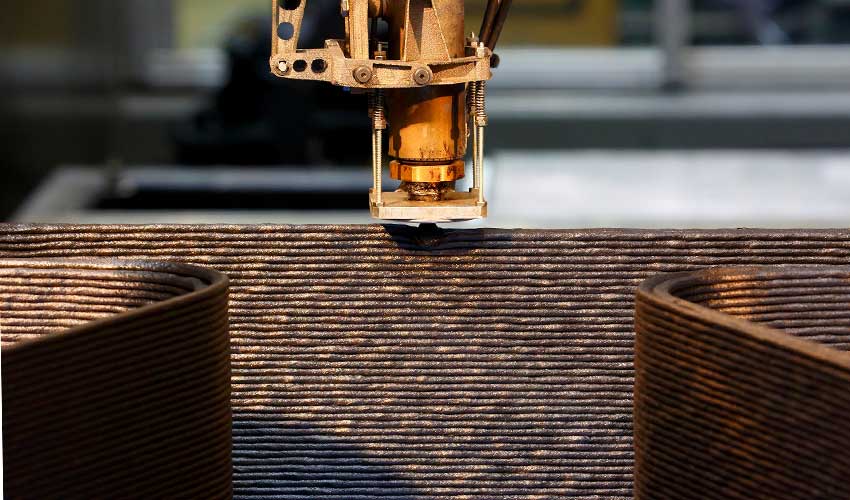
One of the best mechanical engineering projects for students interested in materials science. It explores printing with carbon fiber, glass fiber, or nanoparticle-infused materials to improve strength and durability. Suitable for aerospace, automotive, and medical applications.
The prototype phase involves fabricating small-scale parts to evaluate the structural benefits of these composite materials. For instance, components for aerospace, automotive, or biomedical industries can be tested for tensile strength, impact resistance, and thermal stability. Advanced techniques, such as continuous fiber deposition or dual-extrusion printers, can further enhance the performance of these composites. This project not only highlights the potential of 3D printing in material innovation but also opens avenues for cost-effective manufacturing of high-performance parts, making it a promising field for future research and development.
4. Smart Conveyor Belt System
This is a standout among the best mechanical engineering projects for industrial automation. Using IoT sensors, it enhances operational efficiency by monitoring load, speed, and system health in real time. A great example of Industry 4.0 in practice.
IoT connectivity allows the conveyor belt to communicate with a centralized control system or cloud platform for remote monitoring and predictive maintenance. Alerts for wear-and-tear, abnormal load conditions, or motor overheating can be sent to operators via mobile apps or dashboards, enabling timely intervention. Advanced features like machine learning algorithms can predict bottlenecks, suggest process improvements, or automate scheduling, making the system adaptable to various industries such as manufacturing, logistics, and food processing. This smart integration reduces operational costs and enhances productivity, aligning with Industry 4.0 goals.

5. Robotic Arm with IoT Control
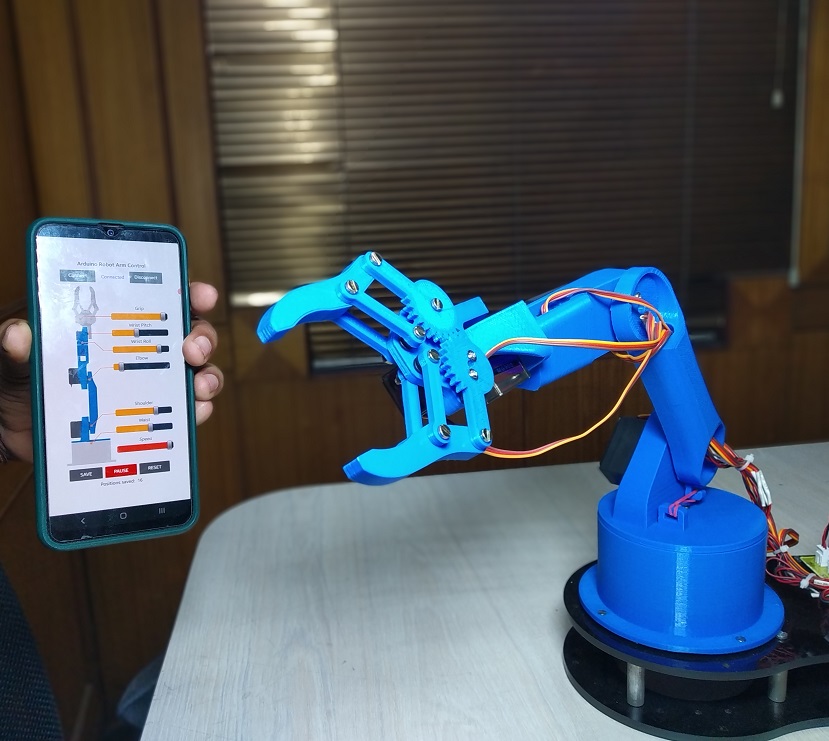
Considered one of the best mechanical engineering projects in robotics, this arm is controllable through a smartphone app. It’s designed for use in manufacturing, assembly lines, and smart homes, allowing users to control movement remotely.
The system uses microcontrollers like Arduino or Raspberry Pi to process the input commands and drive the motors. Sensors like position encoders, pressure sensors, and cameras can be integrated for advanced feedback and functionality. For instance, the robotic arm can incorporate machine learning to identify objects or optimize its movements. IoT connectivity also allows for remote monitoring and diagnostics, making it highly versatile in industries such as manufacturing, healthcare, or even home automation. This project showcases the potential of IoT to transform robotic systems into smart, adaptable, and user-friendly solutions.
6. Solar-Powered Refrigeration System
Among the best mechanical engineering projects that combine renewable energy and thermal systems. It’s ideal for remote areas without electricity and serves critical needs in agriculture and healthcare by preserving food and medicine.
The design incorporates energy-efficient compressors and insulated storage to minimize power consumption and maximize cooling performance. Excess energy generated during peak sunlight hours can be stored in batteries or thermal storage systems, ensuring continuous operation even at night or on cloudy days. Solar-powered refrigeration systems are ideal for preserving perishable goods, medicines, and vaccines in rural communities, thereby addressing critical needs in healthcare and agriculture. By combining sustainability with practicality, this project highlights a crucial step toward reducing carbon footprints and promoting renewable energy adoption.
7. Mini-Thermoelectric Generator
A smart energy-harvesting solution that ranks high among the best mechanical engineering projects in green technology. It converts waste heat into electricity and can power small devices in off-grid areas. Highly efficient, compact, and innovative.
The generated electricity can power small devices, charge batteries, or operate sensors in remote or off-grid locations. Mini-TEGs are particularly appealing for their durability, silent operation, and lack of moving parts, which reduce maintenance needs. They are highly applicable in energy harvesting applications, such as wearable electronics, IoT sensors, and waste heat recovery in industrial processes. This project emphasizes sustainability by repurposing waste energy into a useful resource, making it a promising innovation for green energy solutions.
8. Smart Parking System
This IoT-based parking solution is one of the best mechanical engineering projects for urban planning. It reduces congestion by providing real-time parking availability and integrates automation, sensors, and mobile interfaces for a seamless experience.
A Smart Parking System uses advanced technologies like sensors, the Internet of Things (IoT), and data analytics to automate and optimize parking in urban environments. The system is designed to provide real-time information about available parking spaces, reducing the time spent searching for a spot and minimizing traffic congestion. IoT-enabled sensors are installed in parking spaces to detect whether a spot is occupied or vacant. These sensors transmit data to a centralized cloud-based system, which processes the information and provides real-time updates to a mobile app or digital signage in the parking area. Users can check the availability of spaces before reaching the parking lot, ensuring a seamless parking experience.
In addition to monitoring space availability, the smart parking system can integrate features like automatic payment processing, security surveillance, and space reservation. For example, users can reserve a parking space in advance, and the system can charge them automatically based on time spent parked. Advanced algorithms and machine learning can be used to predict peak times, ensuring better utilization of parking resources. The system can also send alerts for overstay violations or security threats, enhancing both convenience and safety for users. Overall, the smart parking system significantly improves the efficiency of parking facilities while reducing environmental impact and enhancing the user experience.

9. Low-Cost Ventilator for Hospitals
A life-saving design, this project is among the best mechanical engineering projects addressing healthcare challenges. Built using affordable components like Arduino, it ensures oxygen delivery to patients and is suitable for emergency deployment.
A Low-Cost Ventilator for Hospitals is an innovative solution aimed at addressing the shortage of ventilators in healthcare facilities, especially in resource-limited areas or during emergencies like pandemics. The design of such a ventilator focuses on affordability, simplicity, and efficiency while maintaining the necessary medical standards for patient care. Key components include a mechanical pump, pressure sensors, flow sensors, and a control system, all of which can be sourced at a lower cost than traditional ventilators. Used in emergency medical response. Explore WHO’s ventilator standards to understand global healthcare guidelines.
The ventilator could be powered by a battery or mains electricity, with a user-friendly interface that allows healthcare providers to adjust settings such as tidal volume, respiratory rate, and pressure levels. To ensure patient safety, the system would include alarms for issues such as low oxygen supply, high airway pressure, or malfunctioning components. Additionally, open-source software and microcontrollers like Arduino or Raspberry Pi could be utilized for easy programming and low-cost integration. This low-cost ventilator design could be deployed in low-resource settings, rural hospitals, or emergency response situations, helping to save lives when more expensive equipment is unavailable or in short supply. The project emphasizes both innovation and accessibility, ensuring that crucial healthcare technology is affordable and scalable.

10. Automated Painting Robot
An industry-grade example from the best mechanical engineering projects list. It delivers precision painting using robotic arms and vision sensors. Used in automotive, furniture, and construction, it improves quality while reducing labor costs.
An Automated Painting Robot is a system designed to autonomously paint surfaces with high precision, aiming to improve the efficiency and consistency of painting tasks in industries like automotive manufacturing, furniture production, and construction. The robot uses advanced sensors, actuators, and programming to ensure accurate coverage, optimal paint application, and minimal waste. It is equipped with a robotic arm that moves in multiple axes, allowing it to reach complex shapes and angles. The arm can be fitted with spray nozzles or paint rollers, depending on the type of surface and desired finish. Precision control is crucial, as the robot adjusts spray patterns, distance from the surface, and pressure to ensure an even coat.
The system typically integrates with a central control unit that maps the surface area to be painted using vision-based sensors or 3D mapping technology. Machine learning algorithms can be used to adapt to different shapes, surface textures, or obstacles, ensuring the painting process is optimized in real time. For large-scale applications, the robot can work in tandem with conveyor belts, allowing continuous painting of objects moving through the production line. Additionally, the robot can be programmed to follow eco-friendly practices, such as minimizing paint overspray and ensuring that only the required amount of paint is used. This project can lead to greater precision, reduced labor costs, and less environmental impact compared to traditional manual painting methods.

Why These Are the Best Mechanical Engineering Projects in 2025
These mechanical engineering project examples stand out because they:
-
Embrace sustainability (solar refrigeration, bicycle pump, TEG)
-
Promote safety and healthcare (smart helmet, low-cost ventilator)
-
Push automation and robotics (smart conveyor, painting robot)
-
Encourage student innovation and hands-on learning
-
Integrate modern technologies like IoT, AI, and machine learning
Whether you are a mechanical engineering student looking for project ideas or a tech enthusiast exploring innovation, these concepts offer a blend of real-world relevance and academic value.
Conclusion
These best mechanical engineering projects, curated for 2025, represent not just academic assignments but potential solutions for real-world challenges. Whether your interest lies in renewable energy, automation, healthcare tech, or robotics, there’s a mechanical engineering project idea here to spark your curiosity and shape your future.
By working on these innovative and impactful projects, students can gain skills that matter, build impressive portfolios, and contribute to a better world.