


🧠 Introduction: What Is a Python Playbook and Why Every Developer Needs One?
A Python playbook is more than just a collection of code snippets—it’s a strategic toolkit designed to help you write cleaner, faster, and more efficient Python code. In 2025, as Python continues to dominate web development, AI, and data science, having a well-organized Python playbook is essential for both beginners and professionals. Whether you’re automating tasks, building web apps, or solving interview problems, a Python playbook gives you reusable solutions, best practices, and quick access to real-world patterns that speed up your workflow. If you’re serious about becoming a skilled Python developer, starting your own playbook early will give you a lasting edge.
Table Of Content
- 🧠 Introduction: What Is a Python Playbook and Why Every Developer Needs One?
- What is Python?
- Who is a Python Developer?
- What is the demand for Python?
- Python Developer Salary In India
- Python Developer Salary Based on Experience
- Python Developer Salary Based on Location
- Python Developer Salary Based on Company
- Python Developer Salary for Freshers and Experienced Based on Skills
- Career Path of a Python Developer
- How to Become a Python Developer?
- What to Learn in Python?
- Python Developer Skills
- Python Developer Job Description
- Job Responsibilities
- Qualifications required
- Job Roles
- Conclusion
- FAQs
- ❓ Frequently Asked Questions
- 🔗 Related Reads

What is Python?
Python is a high-level, versatile, and general-purpose programming language known for its simplicity and readability. Guido van Rossum created Python in the late 1980s, and it has since become one of the most popular programming languages worldwide. Python is known for its clean and easy-to-understand syntax, making it an ideal choice for beginners and experienced programmers alike. It is widely used in web development, data analysis, artificial intelligence, scientific computing, and more.
Who is a Python Developer?
A Python Developer is a software engineer who specializes in using Python for designing, implementing, and maintaining software applications and systems. Python Developers use the Python programming language to develop web applications, desktop applications, data analysis tools, machine learning models, and much more.
What is the demand for Python?
The demand for Python has grown significantly in recent years due to its versatility and wide range of applications. Python is widely used in various industries, including web development, data science, machine learning, and automation. This broad applicability has led to a high demand for Python Developers across the globe.
Python Developer Salary In India
The salary of a Python Developer in India can vary depending on several factors, including experience, location, and the specific company. On average, a junior Python Developer in India can earn between ₹4-6 lakhs per annum, while a mid-level developer can earn between ₹6-12 lakhs per annum. Senior Python Developers with several years of experience can earn over ₹15 lakhs per annum.
Python Developer Salary Based on Experience
- Junior Python Developer (0-2 years of experience): ₹4-8 lakhs per annum.
- Mid-level Python Developer (2-5 years of experience): ₹8-15 lakhs per annum.
- Senior Python Developer (5+ years of experience): ₹15 lakhs and above per annum.

Python Developer Salary Based on Location
Salaries for Python Developers can vary significantly based on their location in India. Cities like Bangalore, Hyderabad, Mumbai, and Delhi generally offer higher salaries due to the higher cost of living and increased demand for tech talent.

Python Developer Salary Based on Company
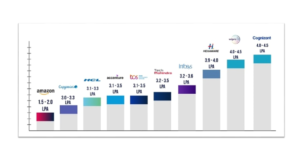
The salary of a Python Developer can also vary based on the company’s size and reputation. Larger tech companies and startups in the IT sector often offer competitive salaries and additional benefits to attract top Python talent.
Python Developer Salary for Freshers and Experienced Based on Skills
Python Developers with specialized skills in areas such as data science, machine learning, web development, or DevOps may command higher salaries due to their expertise in these domains.
Career Path of a Python Developer
The career path of a Python Developer typically involves the following stages
- Junior Python Developer
Entry-level position, focusing on learning Python fundamentals and basic development skills.
- Mid-level Python Developer
After gaining experience, you can move into more specialized roles or take on larger project responsibilities.
- Senior Python Developer
With several years of experience, you can become a senior developer or architect, leading projects and mentoring junior developers.
- Specialized Roles
Python Developers can choose to specialize in areas such as data science, machine learning, web development, or automation, opening up diverse career opportunities.
How to Become a Python Developer?
Here are the steps to become a Python Developer
- Learn Python
Start by learning Python programming through online courses, tutorials, and textbooks.
- Practice Coding
Write Python code regularly to improve your programming skills.
- Build Projects
Create your own Python projects to apply what you’ve learned.
- Learn Libraries and Frameworks
Familiarize yourself with popular Python libraries and frameworks used in your area of interest.
- Collaborate and Contribute
Contribute to open-source projects and collaborate with other developers to gain experience.
- Networking
Attend tech meetups, conferences, and join online communities to network with other Python Developers.
- Advanced Learning
Continue to expand your knowledge in specialized areas like data science, machine learning, or web development.
- Create a Portfolio
Build a portfolio showcasing your projects and skills.
- Job Search
Look for Python Developer job openings and apply with your portfolio and resume.
- Interview Preparation
Prepare for technical interviews, coding challenges, and behavioral interviews.
- Continuous Learning
stay up-to-date with Python trends and technologies to remain competitive in the field.
What to Learn in Python?
- Python syntax and fundamentals
- Data structures (lists, dictionaries, sets, etc.)
- Control flow and loops
- Object-oriented programming
- Popular Python libraries and frameworks (e.g., Django, Flask, NumPy, pandas)
- Version control (e.g., Git)
- Testing and debugging techniques
- Databases and SQL
- Web development (if interested)
- Data analysis and visualization (if interested)
- Machine learning (if interested)
Python Developer Skills
- Proficiency in Python programming
- Problem-solving and algorithmic thinking
- Web development skills (if pursuing web development)
- Data manipulation and analysis (if pursuing data science)
- Machine learning skills (if pursuing machine learning)
- Knowledge of relevant libraries and frameworks
- Collaboration and communication skills
- Version control with Git
- Database management
Python Developer Job Description
Job Responsibilities
- Developing and maintaining Python-based applications.
- Writing clean, efficient, and maintainable code.
- Collaborating with cross-functional teams.
- Troubleshooting and debugging issues.
- Integrating data storage solutions.
- Implementing security and data protection.
- Deploying applications to production servers.
- Keeping up with industry trends and best practices.
Qualifications required
- A bachelor’s degree in computer science or a related field (although not always mandatory).
- Proficiency in Python programming.
- Strong problem-solving skills.
- Knowledge of relevant libraries and frameworks.
- Experience with web development, data science, or machine learning may be required based on the specific role.
Job Roles
- Web Developer
- Data Scientist
- Machine Learning Engineer
- Software Engineer
- DevOps Engineer
- Automation Engineer
- Backend Developer
Conclusion
Becoming a Python Developer involves mastering Python programming, gaining expertise in relevant libraries and frameworks, and choosing a career path that aligns with your interests. With the growing demand for Python developers across different industries, it offers promising career opportunities for those willing to invest time and effort in acquiring the necessary skills. Continuous learning and staying updated with industry trends are crucial for long-term success in this field.
FAQs
❓ Frequently Asked Questions
1. How much does a Python developer earn in India?
The Python developer salary for freshers in India typically ranges from ₹4–8 LPA. With 2–5 years of experience, it rises to ₹8–15 LPA, while senior developers can earn ₹15 LPA or more.
2. Is Python a good career choice?
Absolutely. Python is versatile, beginner-friendly, and used in everything from web development and machine learning to automation and data science—making it a reliable, long-term career option.
3. What are the key skills for a Python developer?
Strong knowledge of the Python language, problem-solving, web frameworks like Django/Flask, database handling, Git, and deploying clean, reusable Python code are must-have skills.
4. What are some job opportunities for Python developers?
Python opens doors in data science, AI/ML, web development, DevOps, scripting, backend engineering, and even cybersecurity roles.
5. What is a Python playbook and how can it help?
A Python playbook is a curated set of reusable scripts and templates. It speeds up development and improves efficiency—especially for freshers preparing for real-world projects.
6. How to start writing Python code as a beginner?
Begin with basic Python code patterns—variables, loops, and functions. Then explore mini-projects and build your own Python playbook to track your progress.
7. Are Python developers in demand in 2025?
Yes. Python continues to dominate AI, web development, and data fields. Companies actively seek developers with hands-on experience and a strong Python playbook.
8. Do freshers need a Python playbook for interviews?
Yes. Maintaining a Python playbook helps freshers showcase their hands-on skills during interviews and increases their chances of landing higher-paying jobs.
🔗 Related Reads


