How to Become a Project Manager? – Project management is one of the most in-demand career paths today, especially in fields like IT, construction, digital marketing, healthcare, and startups. Every organization needs someone who can turn ideas into results, manage people effectively, and deliver projects on time. That’s exactly what a project manager does.
Table Of Content
- 📌 Understanding Project Management
- 🚀 Step 1: Understand the Role Deeply
- 🧠 Step 2: Build Strong Core Skills
- 🎓 Step 3: Learn Through Education and Certifications
- 💼 Step 4: Start with Entry-Level Experience
- 🛠️ Step 5: Master Project Management Tools
- 📈 Step 6: Gain Real-World Project Experience
- 🌟 Step 7: Apply for Project Manager Roles
- 💡 Final Thoughts
- Related Reads
If you’re someone who enjoys organizing work, solving problems, and leading teams, this career could be a perfect fit. The journey might seem complex at first, but when broken down into clear steps, it becomes much easier to follow.
📌 Understanding Project Management
Project management is the structured process of planning, executing, and completing a task or initiative within a defined scope, timeline, and budget. It is not just about assigning tasks or checking deadlines—it is about ensuring that everything aligns with business goals while managing risks and maintaining quality.
A project manager sits at the center of everything. They communicate with stakeholders, guide the team, handle unexpected challenges, and make decisions that keep the project moving forward. In many ways, they act as both a leader and a problem solver.
Projects can range from developing a mobile app to constructing a building, launching a marketing campaign, or implementing a new system in a company. Regardless of the domain, the core responsibility remains the same: delivering successful outcomes.
🚀 Step 1: Understand the Role Deeply
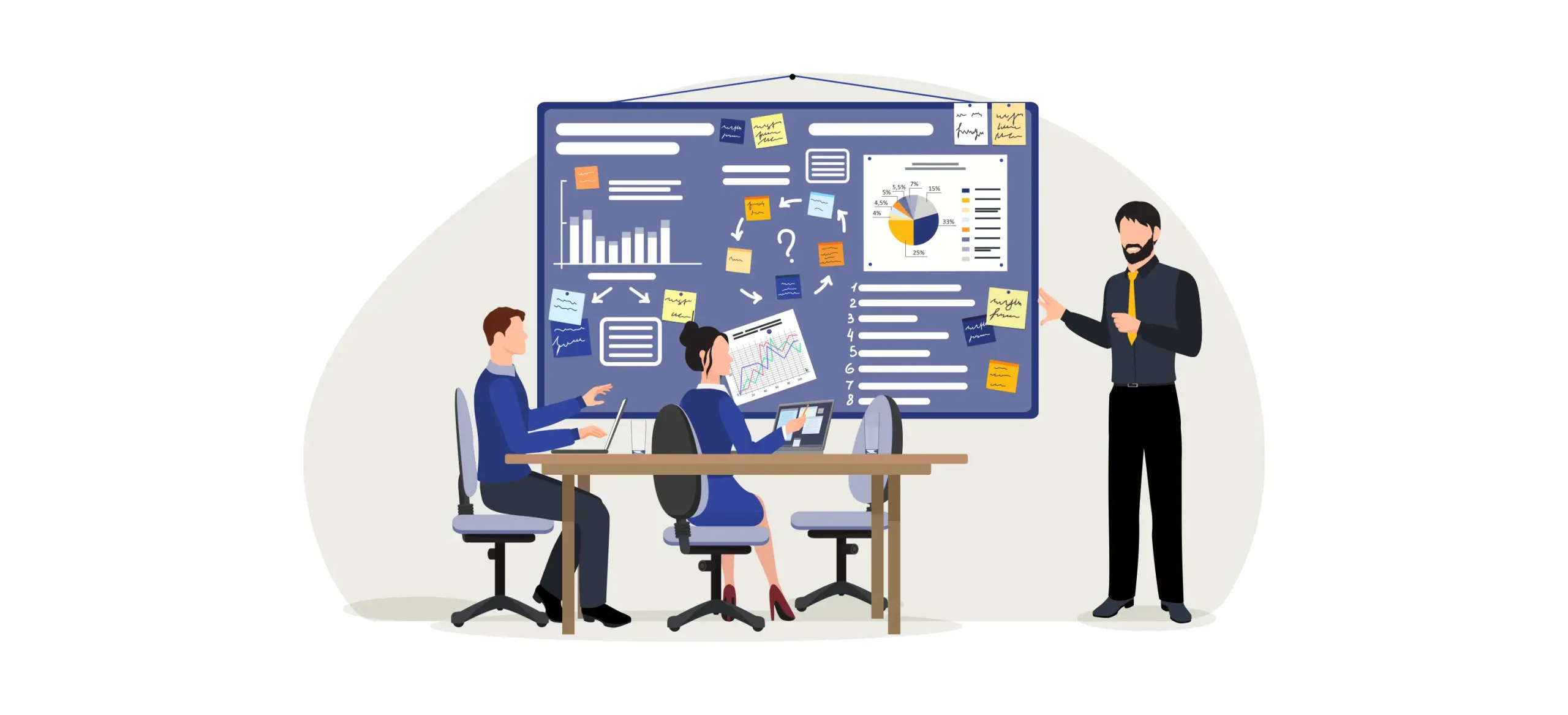
Before stepping into this field, it’s important to fully understand what the role demands. Many beginners assume project managers only assign tasks and monitor progress, but the reality is far more dynamic.
A project manager must balance three critical factors—scope, time, and cost—while ensuring quality is not compromised. They need to think ahead, anticipate risks, and act quickly when problems arise. On some days, they might be planning strategies; on others, they might be resolving conflicts within the team.
Different industries shape this role in unique ways. For example, an IT project manager may work with developers and software tools, while a construction project manager deals with on-site execution and physical resources. Understanding where your interest lies helps you choose the right path early on.
🧠 Step 2: Build Strong Core Skills
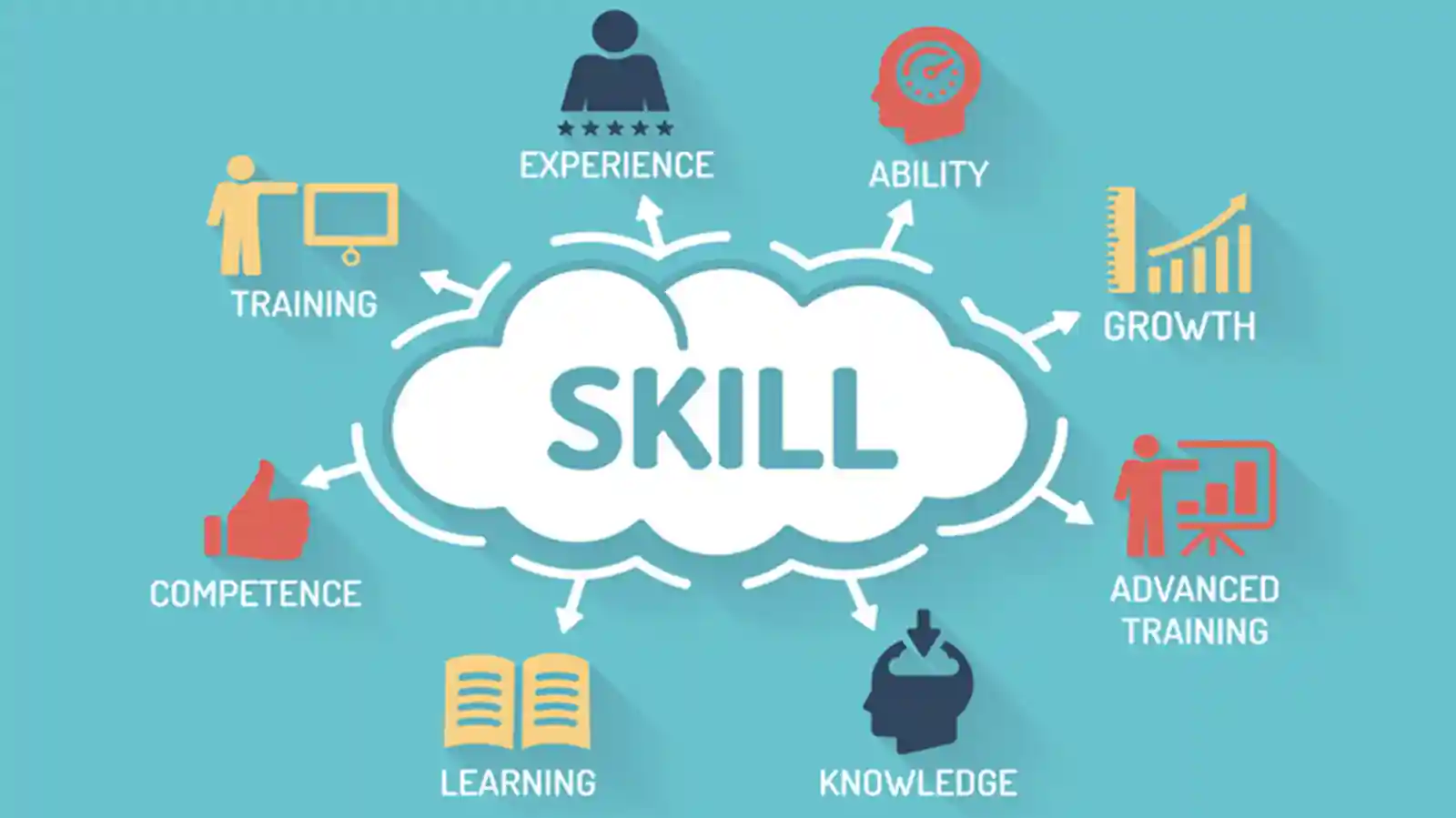
Project management is a skill-based profession. While technical knowledge is useful, your success largely depends on how well you handle people, time, and pressure.
Communication is at the heart of everything. You must clearly explain ideas, listen actively, and ensure everyone is aligned. Leadership is equally important, not in the sense of authority, but in the ability to inspire and guide a team toward a common goal.
Time management allows you to prioritize tasks and ensure deadlines are met without chaos. Problem-solving helps you deal with unexpected challenges, which are inevitable in any project. Risk management involves identifying potential issues early and preparing solutions in advance.
These skills don’t develop overnight. They improve with practice, observation, and real-world experience.
🎓 Step 3: Learn Through Education and Certifications
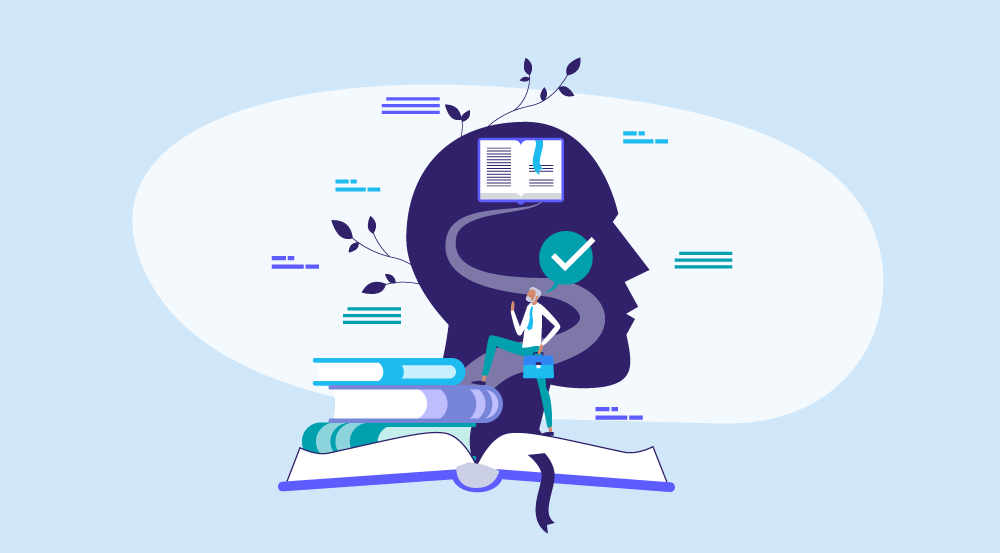
Although a specific degree is not mandatory, having a structured understanding of project management principles can significantly boost your confidence and credibility.
Many beginners start with online courses that introduce concepts like project lifecycle, Agile methodology, and team coordination. As you grow, certifications can help validate your skills in the professional world.
Some globally recognized certifications include those offered by the Project Management Institute, such as the PMP (Project Management Professional). Agile-focused certifications from Scrum Alliance are also popular, especially in tech industries. Additionally, beginner-friendly programs like the project management certificate from Google provide a strong foundation.
Certifications are not just about adding value to your resume—they also help you understand industry-standard practices and frameworks.
💼 Step 4: Start with Entry-Level Experience

Breaking directly into a project manager role can be challenging for beginners. That’s why starting with entry-level positions is a smart approach.
Roles like project coordinator, assistant project manager, or business analyst allow you to observe how projects are handled in real environments. You’ll learn how teams communicate, how deadlines are managed, and how challenges are resolved.
This stage is less about leading and more about learning. You get exposure to planning, documentation, reporting, and coordination—all essential parts of project management.
Over time, as you gain confidence and demonstrate your abilities, you naturally move toward higher responsibilities.
🛠️ Step 5: Master Project Management Tools

In today’s digital world, project managers rely heavily on tools to organize and track work. These tools simplify complex processes and improve team collaboration.
Platforms like Trello and Asana are great for task management and team coordination. For more advanced needs, tools like Jira are widely used in software development environments. Traditional planning tools such as Microsoft Project help in creating detailed schedules and timelines.
Learning these tools not only makes your work easier but also increases your employability, as companies expect familiarity with such platforms.
📈 Step 6: Gain Real-World Project Experience
Experience is the turning point in your journey. This is where theory meets reality.
You don’t have to wait for a formal job role to gain experience. You can start by managing small projects in your current job, organizing college events, handling freelance work, or even leading a personal initiative.
Each project teaches you something valuable. You learn how to handle pressure, adapt to changes, and communicate effectively with different types of people. Mistakes become lessons, and lessons become strengths.
Over time, these experiences build your confidence and prepare you for larger responsibilities.
🌟 Step 7: Apply for Project Manager Roles

Once you have developed the necessary skills and gained practical experience, the next step is to apply for project management roles.
Your resume should highlight not just your responsibilities, but your impact. Employers are interested in results—how you improved efficiency, reduced costs, or delivered projects successfully.
Networking plays a crucial role here. Platforms like LinkedIn help you connect with industry professionals, discover job opportunities, and showcase your expertise.
Interviews for project management roles often focus on real-life scenarios. You may be asked how you would handle delays, conflicts, or unexpected changes. Clear thinking and structured answers make a strong impression.
💡 Final Thoughts
Becoming a project manager is a journey that requires patience, consistency, and continuous learning. It is not just about managing tasks—it is about leading people, making decisions, and delivering results under pressure.
You don’t need to have everything figured out from day one. Start with the basics, build your skills step by step, and gain experience wherever possible. Over time, your confidence will grow, and opportunities will follow.
In the end, project management is not just a career—it’s a mindset. If you can plan effectively, adapt quickly, and lead confidently, you are already on the path to becoming a successful project manager.
Want to Learn More About Python & Artificial Intelligence ?, Kaashiv Infotech Offers Full Stack Python Course, Artificial Intelligence Course, Data Science Course & More Visit Their Website course.kaashivinfotech.com.
Related Reads:
Artificial Intelligence vs Human Intelligence: A Deep Dive into Minds Made and Minds Born
Top 10 AI Tools for Content Creation in 2026 You Shouldn’t Miss