Introduction
Are you searching for the best Python books for beginners or the best python book for programmers? You’re in the right place! Whether you’re just stepping into the world of Python or you’re a seasoned coder looking to level up, finding the best book for Python can make all the difference in your learning journey.
Table Of Content
- Introduction
- 1.Python Crash Course – 2nd Edition
- 2.Head First Python
- 3.Python Cookbook: Recipes for Mastering Python 3
- 4.Automate the Boring Stuff with Python
- 5.Learn Python 3 the Hard Way
- 6.Fluent Python: Clear, Concise, and Effective Programming (1st Edition)
- 7.Programming Python: Powerful Object-Oriented Programming (4th Edition)
- 8.Grokking Algorithms: An Illustrated Guide for Programmers and Other Curious People (1st Edition)
- 9.Learning Python, 5th Edition
- 10.Elements of Programming Interviews in Python: The Insider’s Guide
- Conclusion
- ❓FAQ – Python Books for Beginners & Advanced Learners
- 1. Can I learn Python from a book?
- 2. Is Python a good programming language for beginners?
- 3. How can I get started with learning Python?
Python books for beginners are written to simplify complex concepts and build confidence with hands-on examples, while advanced Python books offer deep dives into powerful libraries, real-world projects, and professional coding patterns.
1.Python Crash Course – 2nd Edition
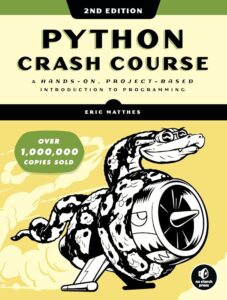
Python Crash Course by Eric Matthes is an excellent choice for beginners. It covers the basics of Python programming and gradually introduces more advanced concepts. The book includes hands-on projects, making it easy to practice and apply what you’ve learned.
2.Head First Python
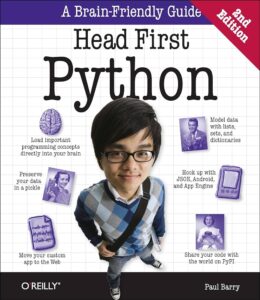
Head First Python by Paul Barry is a beginner-friendly book that uses a visually engaging and interactive approach to teach Python. It covers fundamental Python concepts and includes practical exercises and quizzes to reinforce your learning.
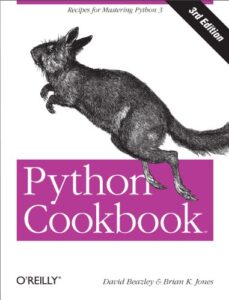
3.Python Cookbook: Recipes for Mastering Python 3
The Python Cookbook by David Beazley and Brian K. Jones is perfect for intermediate to advanced programmers. It offers a collection of practical Python recipes, helping you solve real-world problems efficiently using Python 3.
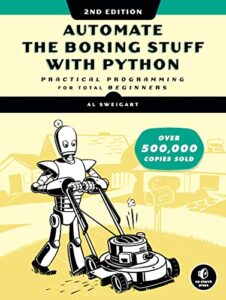
4.Automate the Boring Stuff with Python
Automate the Boring Stuff with Python by Al Sweigart is an excellent resource for beginners and those interested in automating everyday tasks. It covers practical Python programming for automating tasks like web scraping, data manipulation, and more.
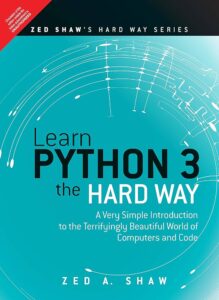
5.Learn Python 3 the Hard Way
Learn Python 3 the Hard Way by Zed A. Shaw is a hands-on book that emphasizes practical exercises and drills to teach Python. While it may sound “hard,” it’s designed to help you build a strong foundation in Python programming through repetition and practice.
6.Fluent Python: Clear, Concise, and Effective Programming (1st Edition)
Fluent Python by Luciano Ramalho is geared towards programmers who want to move from intermediate to advanced Python proficiency. It explores Python’s features in-depth, emphasizing Pythonic coding style and best practices.

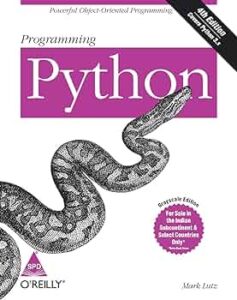
7.Programming Python: Powerful Object-Oriented Programming (4th Edition)
Programming Python by Mark Lutz is a comprehensive guide for experienced developers. It covers object-oriented programming in Python and delves into advanced topics, including GUI development and network programming.
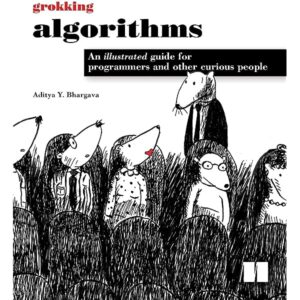
8.Grokking Algorithms: An Illustrated Guide for Programmers and Other Curious People (1st Edition)
While not exclusively a Python book, Grokking Algorithms by Aditya Bhargava is a fantastic resource for Python developers interested in algorithms and data structures. It uses Python examples to explain complex algorithms in an accessible way.
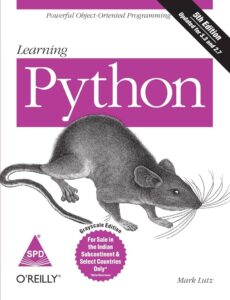
9.Learning Python, 5th Edition
Learning Python by Mark Lutz is a comprehensive introduction to Python. It covers the language from beginner to advanced levels and includes practical exercises and examples. This book is suitable for both newcomers and experienced programmers looking to learn Python.
10.Elements of Programming Interviews in Python: The Insider’s Guide
Elements of Programming Interviews in Python by Adnan Aziz, Tsung-Hsien Lee, and Amit Prakash is aimed at programmers preparing for coding interviews. It provides Python-specific solutions to common coding interview questions, helping you prepare effectively.
Conclusion
Finding the best Python book truly depends on where you are in your learning journey:
-
Want a fast, project-based start? Go for Python Crash Course.
-
Prefer fun, visual learning? Choose Head First Python.
-
Already coding? Grab Fluent Python or Python Cookbook.
-
Preparing for interviews? Get Elements of Programming Interviews in Python.
If you’re just starting out, these python books for beginners can lay a strong foundation. But pairing your reading with a structured Python course—online or in-person—can significantly accelerate your learning. A good course provides mentorship, hands-on coding environments, and community support that complements the concepts covered in books.
Whether you’re a hobbyist or aiming to become a professional developer, combining the best book for Python with a practical Python course is a powerful way to master the language and build real-world skills. Start today, and let your Python programming journey unfold one line of code at a time!
❓FAQ – Python Books for Beginners & Advanced Learners
1. Can I learn Python from a book?
Absolutely! The best book for Python offers:
-
Structured Learning: Start with fundamentals and build gradually.
-
Comprehensive Coverage: Syntax, data types, OOP, libraries, and projects.
2. Is Python a good programming language for beginners?
Yes! It’s the best first language for many because of:
-
Simple, readable syntax
-
Large community and support
-
Tons of beginner-friendly resources and python books for beginners
3. How can I get started with learning Python?
Here’s a quick beginner’s guide:
-
Choose a beginner-friendly book like Python Crash Course or Automate the Boring Stuff.
-
Set up Python and an editor (like VS Code).
-
Practice regularly.
-
Build small projects and gradually increase complexity.