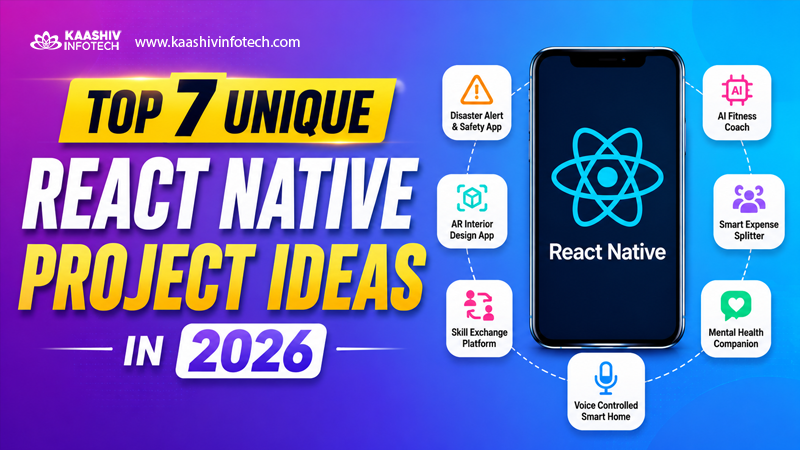
React Native is no longer just a “cross-platform shortcut.” In 2026, it’s a powerful ecosystem used to build production-level apps with AI, AR, IoT, and real-time systems. But here’s the truth — if your portfolio still has a simple to-do app or calculator, it won’t impress recruiters anymore.
What actually works today is building unique, problem-solving applications that show your thinking, architecture skills, and ability to integrate modern technologies.
In this article, I’ll walk you through 7 high-impact, unique React Native project ideas, explained in depth so you can actually build them and stand out.
7 high-impact, unique React Native project ideas
1. AI-Based Personal Fitness Coach App 🧠💪

Instead of building a basic fitness tracker, think bigger — create a smart fitness coach that adapts to the user’s body, goals, and progress over time.
The idea is to design an app that behaves like a personal trainer. When a user signs up, they input details like weight, height, fitness level, and goals (fat loss, muscle gain, endurance). Based on this, your app generates a customized workout plan. But the real value comes from continuous learning — as the user logs workouts, the app adjusts intensity and suggestions dynamically.
You can also integrate simple AI logic or APIs to recommend exercises, suggest rest days, and even generate diet tips. Over time, the app becomes more personalized, which is exactly what modern users expect.
From a development perspective, this project helps you understand state management, user data handling, analytics visualization, and API integration. If you push further, adding voice guidance or reminders makes it even more impressive.
This is the kind of project that shows you can build something intelligent, not just functional.
2. Real-Time Disaster Alert & Safety App 🌍🚨
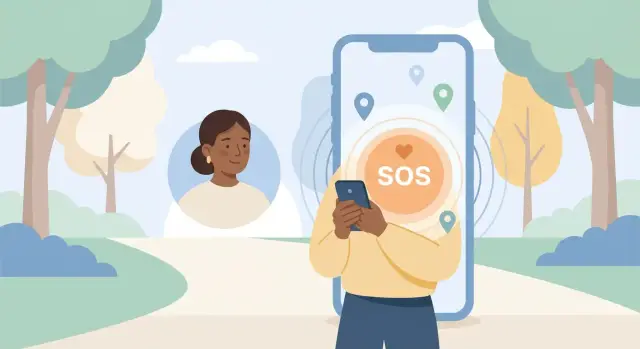
This project focuses on solving a real-world problem — keeping people safe during emergencies.
Imagine an app that constantly monitors disaster-related APIs (like weather, earthquake data, or government feeds). When something happens near the user’s location, it instantly sends a push notification with details and instructions.
But you shouldn’t stop there. The real uniqueness comes when you add features like safe zone navigation, where users can see nearby shelters or safe areas using maps. You can also include an emergency button that shares the user’s live location with selected contacts.
While building this, you’ll work with real-time APIs, geolocation, push notifications, and mapping services. These are highly valuable skills in the industry.
This project stands out because it’s not just technical — it shows social impact thinking, which companies respect a lot.
3. Smart Expense Splitter with AI 💸📊
Many people build expense trackers, but you can make yours smarter and more realistic.
Think about common problems in group expenses — friends don’t always split things equally. One person may pay more, someone else might skip meals, or costs may vary. Your app can solve this using intelligent suggestions.
For example, instead of equally splitting a bill, the app can recommend a fair distribution based on past contributions or spending behavior. You can also generate monthly insights that show who spends the most, where money goes, and how users can optimize expenses.
If you target Indian users, integrating UPI payments makes your app even more practical and impressive.
This project teaches backend integration, data modeling, financial logic, and analytics visualization. It also demonstrates that you understand real user problems, not just UI design.
4. AR-Based Interior Design App 🏠✨
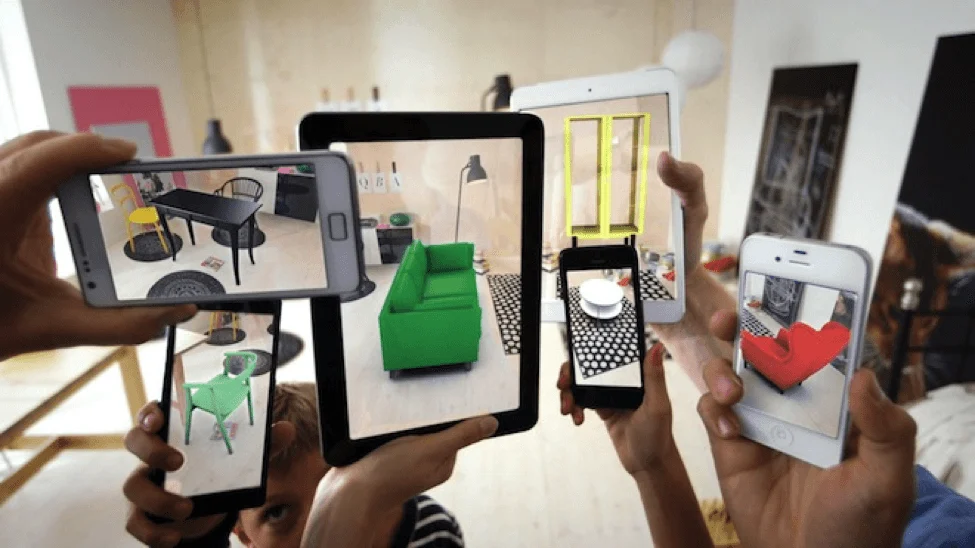
This is one of the most visually impressive projects you can build.
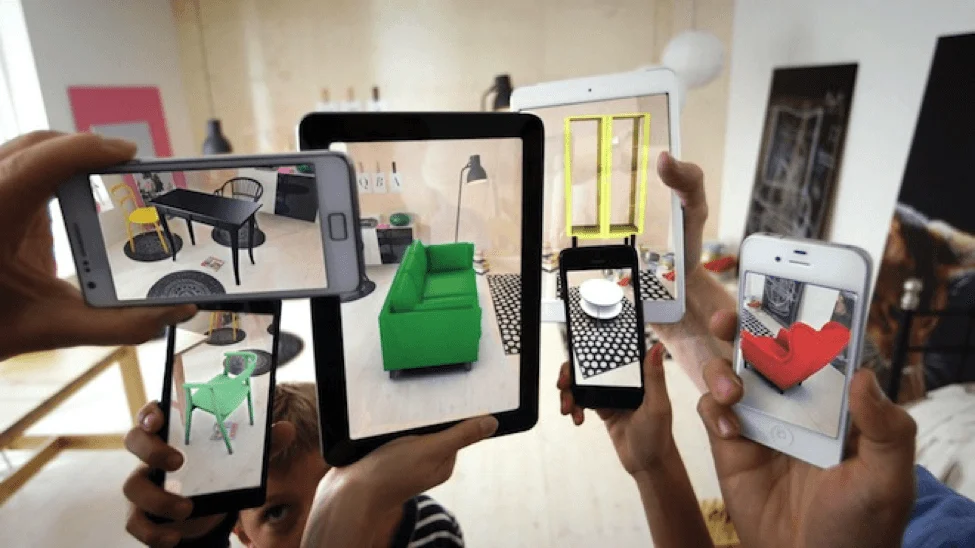
The idea is simple but powerful — allow users to place virtual furniture inside their real room using their phone camera. For example, a user can see how a sofa looks in their living room before buying it.
To build this, you’ll integrate AR technologies like ARCore or ARKit with React Native libraries. You’ll also need 3D models of furniture and proper scaling so objects look realistic in the environment.
Beyond placement, you can add features like saving designs, comparing layouts, or even connecting with e-commerce platforms.
This project is a big win because it shows:
- You can work with advanced mobile capabilities
- You understand user experience deeply
- You can build interactive, real-world applications
Few developers attempt AR — which makes this a portfolio highlight.
5. Mental Health Companion App 🧘♂️💙
Mental health apps are growing rapidly, and this project allows you to build something simple yet meaningful.
Instead of overcomplicating, focus on creating a clean and supportive experience. Users can log their mood daily, write journal entries, and track emotional patterns over time. Visual graphs can help them understand how their mood changes.
You can enhance the app by adding guided meditation sessions or breathing exercises. Another powerful addition is an AI chatbot that provides basic emotional support or motivational responses.
Technically, this project helps you practice data storage, UI/UX design, and API-based chatbot integration. But more importantly, it shows that you care about user well-being, which adds emotional value to your portfolio.
6. Local Skill Exchange Platform 🔄🎯

This is a very creative and underrated idea.
Instead of paying money, users exchange skills. For example, someone can teach graphic design in return for learning coding. Your app becomes a community-driven learning platform.
You’ll need to build a system where users can list their skills, find matches, and communicate with each other. A chat feature is essential, along with ratings and reviews to build trust.
The uniqueness lies in the concept — it mixes social networking, education, and marketplace logic into one app.
From a technical angle, you’ll gain experience in real-time databases, matchmaking algorithms, and user interaction flows.
7. Voice-Controlled Smart Home App 🎙️🏡

This project brings you into the world of IoT and voice interfaces, which are becoming huge in 2026.
The goal is to build an app that allows users to control smart devices like lights, fans, or appliances using voice commands. For example, a user can say “Turn on the living room light,” and the app sends the command to the device.
You’ll need to integrate voice recognition APIs and connect with IoT platforms using protocols like MQTT. A dashboard can display device status and allow manual control as well.
This project demonstrates:
- Integration with hardware systems
- Understanding of real-time communication
- Ability to build future-ready applications
It’s not just another app — it’s a glimpse into smart living technology.
Final Thoughts 🎯
If you truly want to grow as a React Native developer, your focus should shift from “completing projects” to building meaningful solutions.
Pick one idea from this list and go deep:
- Design the UI properly
- Add authentication and real APIs
- Handle edge cases
- Make it production-ready
Because in today’s market, one well-built, unique project is far more valuable than ten basic ones.
Want to learn more about React ?, Kaashiv Infotech Offers React course and more Visit Their website www.kaashivinfotech.com.
Related Reads:
- How to Build React Forms That Actually Work (A Developer’s Real Talk)
- Popular React Native App Examples in 2026