Software Developer vs Full Stack Developer: A Complete In-Depth Guide for 2026

The software industry has evolved rapidly over the past decade, and with that evolution has come a wide range of job roles—many of which sound similar but differ significantly in practice. Among the most commonly confused roles are Software Developer vs Full Stack Developer. While both involve coding, problem-solving, and building digital products, the way they approach development is quite different.
Table Of Content
- Understanding the Role of a Software Developer
- Understanding the Role of a Full Stack Developer
- Core Differences Explained in Detail
- Advantages of Being a Software Developer
- Advantages of Being a Full Stack Developer
- Career Growth and Industry Demand
- Which Career Path Should You Choose?
- Final Thoughts
- Related Reads
Understanding these differences is important not just for job seekers, but also for students, freelancers, and professionals looking to switch domains. This guide takes a deep dive into both roles, exploring their responsibilities, required skills, career growth, and which path might suit you better.
Understanding the Role of a Software Developer
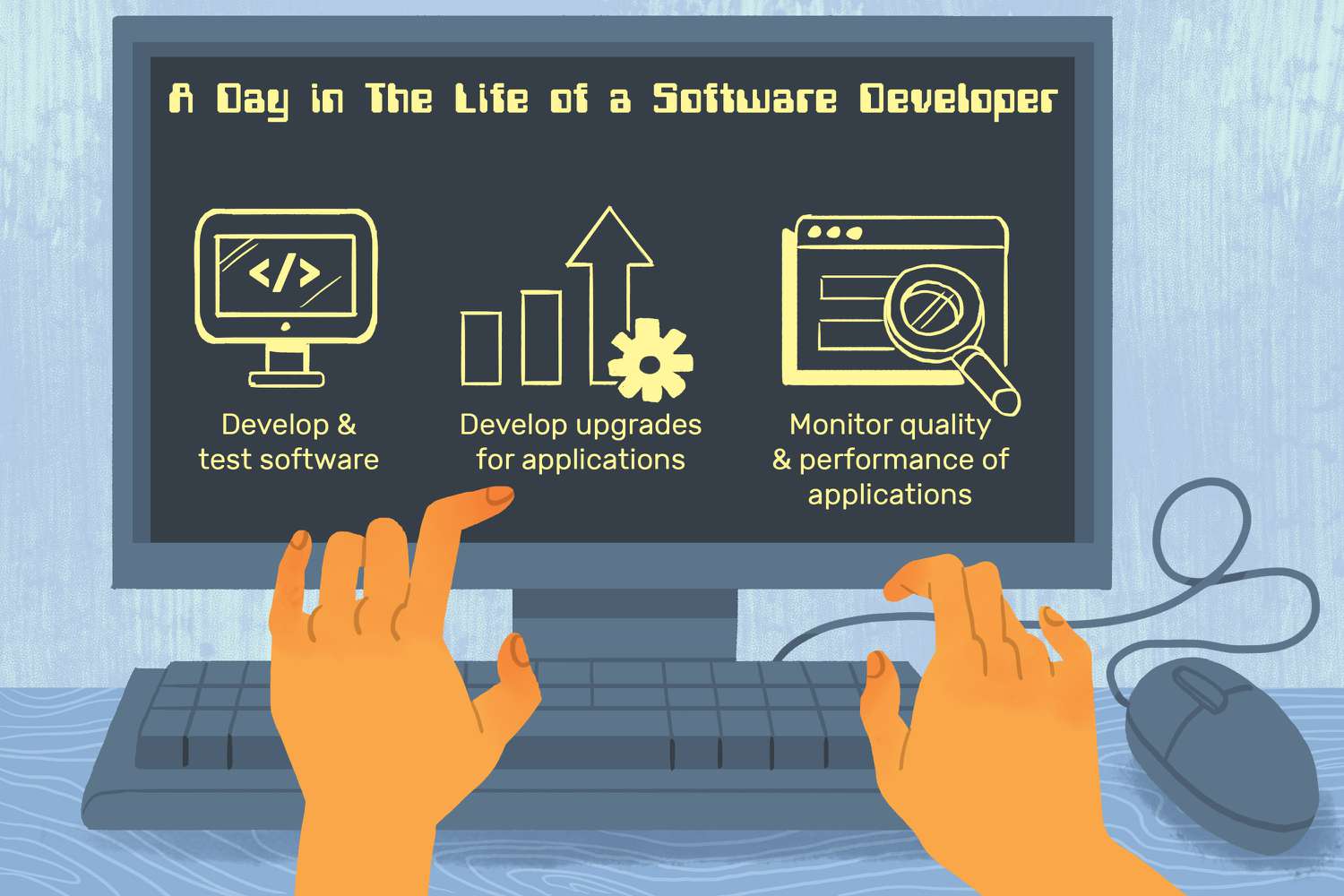
A Software Developer is a broad term that refers to anyone involved in creating software applications. These professionals focus on building programs that solve real-world problems, ranging from mobile apps and enterprise systems to operating systems and embedded software.
What makes this role unique is its depth. Software developers typically specialize in a particular area of development rather than working across the entire system. For example, one developer might focus entirely on backend systems—designing APIs, handling databases, and optimizing performance—while another might specialize in mobile app development using platforms like Android or iOS.
In day-to-day work, a software developer spends time analyzing requirements, designing solutions, writing code, testing features, fixing bugs, and improving system performance. Their work often involves collaboration with designers, testers, and other developers, but their core focus remains within a specific domain.
The tools and technologies used by software developers depend on their specialization. Someone working in backend systems may use languages like Java, Python, or Go, while a mobile developer might use Kotlin or Swift. Over time, many software developers become experts in their chosen field, gaining deep knowledge that allows them to build highly efficient and scalable systems.
Understanding the Role of a Full Stack Developer
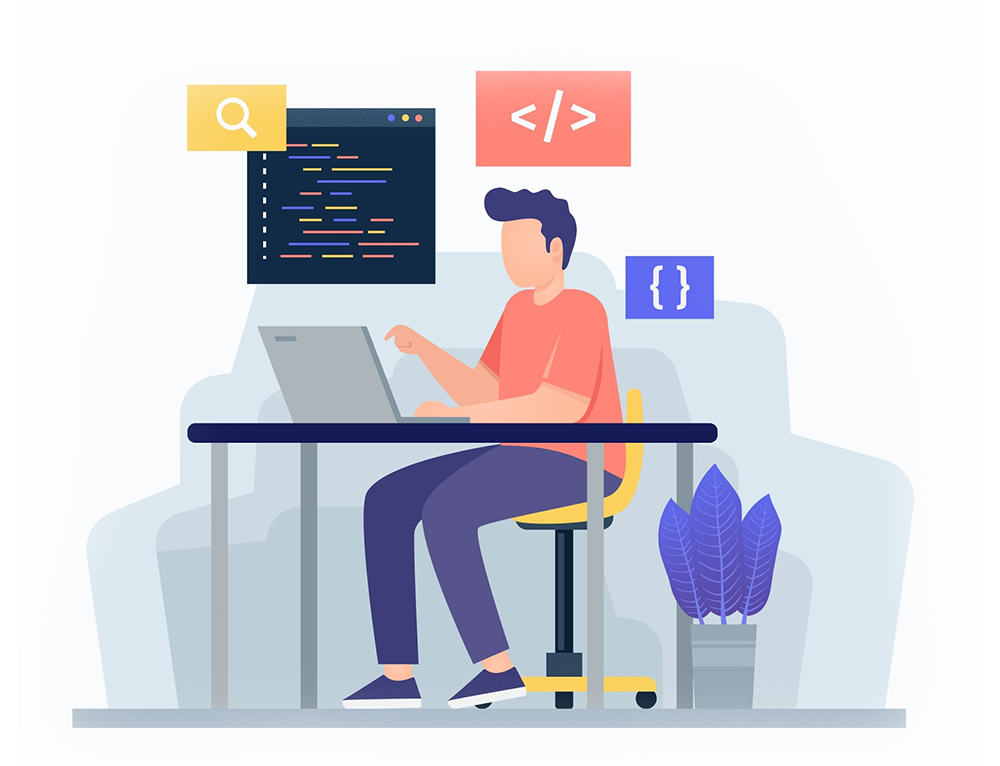
A Full Stack Developer, in contrast, is known for versatility. Instead of focusing on just one layer of an application, they work across both the frontend (what users see) and the backend (what powers the application behind the scenes).
This means a full stack developer is capable of building a complete web application from scratch. They can design user interfaces, handle server logic, manage databases, and even deploy the application to the cloud.
On a typical day, a full stack developer might design a webpage layout in the morning, implement API endpoints in the afternoon, and debug database issues in the evening. Their role requires constant context switching, which can be challenging but also rewarding.
Because of this wide scope, full stack developers must be familiar with multiple technologies. On the frontend, they work with HTML, CSS, and JavaScript frameworks like React or Angular. On the backend, they may use Node.js, Python, or Java. They also need to understand how databases work, how servers are deployed, and how different parts of an application communicate with each other.
While they may not go as deep into a single technology as a specialized software developer, their ability to connect all parts of a system makes them highly valuable—especially in startups and small teams.
Core Differences Explained in Detail
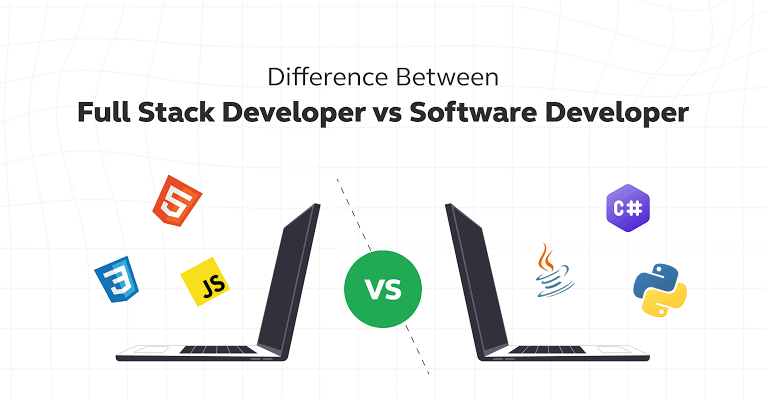
The difference between these two roles becomes clearer when we look beyond definitions and examine how they function in real-world scenarios.
A software developer typically approaches problems with a deep and focused mindset. They are concerned with optimizing algorithms, improving system performance, and ensuring scalability within their specific domain. Their work often involves handling complex logic and making systems more efficient over time.
A full stack developer, on the other hand, approaches development with a holistic perspective. Instead of focusing on one part of the system, they ensure that all parts work together seamlessly. They think about how the user interface interacts with the backend, how data flows through the system, and how the application is deployed and maintained.
Another major difference lies in learning approach. Software developers usually follow a more structured path, diving deep into one technology stack and mastering it over time. Full stack developers, however, must continuously learn and adapt, as they deal with a wide range of tools and frameworks.
When it comes to project involvement, software developers may work on a specific module for an extended period, refining and improving it. Full stack developers are more likely to be involved in the entire lifecycle of a project—from initial design to final deployment.
Advantages of Being a Software Developer
Choosing the software developer path offers several long-term benefits. One of the biggest advantages is the ability to gain deep expertise in a specific field. This depth allows developers to solve complex problems more effectively and often leads to roles in high-demand areas such as artificial intelligence, cloud computing, or cybersecurity.
Another advantage is career progression. Software developers who specialize deeply often move into roles like system architects, technical leads, or research engineers. Their focused knowledge makes them indispensable in large organizations where complex systems require specialized skills.
Additionally, working in a specialized domain can make it easier to stay updated, as the scope of learning is narrower compared to full stack development.
Advantages of Being a Full Stack Developer
Full stack development offers a different kind of advantage—flexibility. Because full stack developers understand multiple layers of an application, they can adapt to different roles within a team. This makes them especially valuable in startups, where teams are small and responsibilities are broad.
Another major benefit is the ability to build complete products independently. Full stack developers can take an idea from concept to deployment without relying heavily on others. This makes them ideal for freelancing, entrepreneurship, and side projects.
Full stack developers also gain a better understanding of how systems work as a whole. This holistic knowledge can be extremely useful when transitioning into roles like product engineering or technical management.
Career Growth and Industry Demand

Both roles are highly востребованные (in demand) in 2026, but the type of demand varies.
Software developers are in strong demand in industries that require high performance and scalability, such as fintech, healthcare systems, gaming, and enterprise software. Companies in these sectors look for specialists who can build robust and efficient systems.
Full stack developers are particularly востребованные in startups, SaaS companies, and product-based firms, where the ability to handle multiple responsibilities is crucial. Their versatility reduces the need for large teams, making them cost-effective and efficient.
In terms of salary, both roles offer competitive compensation. However, highly specialized software developers in advanced fields may earn more over time, while full stack developers often enjoy faster entry into the industry due to their broad skill set.
Which Career Path Should You Choose?
Choosing between these two roles depends largely on your personality, interests, and long-term goals.
If you enjoy diving deep into technical problems, optimizing systems, and becoming an expert in a specific domain, then software development is likely the better choice. This path rewards patience, focus, and a strong analytical mindset.
If you prefer variety, enjoy working on different parts of a system, and like seeing a complete product come to life, then full stack development may suit you better. This path rewards adaptability, curiosity, and a willingness to learn continuously.
It’s also worth noting that these paths are not mutually exclusive. Many developers start as full stack developers to gain broad experience and later specialize in a particular area.
Final Thoughts
The distinction between software developers and full stack developers is not about superiority—it’s about approach and focus. One emphasizes depth, while the other emphasizes breadth.
In a rapidly changing tech landscape, the most successful professionals are those who remain flexible. Even if you choose one path today, you can always expand your skills and transition into the other role over time.
Ultimately, the best choice is the one that aligns with your interests and keeps you motivated to learn and grow.
Kaashiv Infotech Offers Full Stack Java Developer Course, Java Internship & More Programming Courses Visit Our Website www.kaashivinfotech.com.
Related Reads:
-
7 Powerful Spring Boot – Annotations (A Developer’s Real Experience)
-
Mastering Java APIs: The Complete Developer Guide from Basics to Advanced Concepts

![Top 5 Tech Careers of the Future [2026]](https://www.kaashivinfotech.com/blog/wp-content/uploads/2026/06/Top-5-Tech-Careers-of-the-Future-2026-150x150.png "Software Developer vs Full Stack Developer: A Complete In-Depth Guide for 2026")