The Ultimate DevOps Engineer Skillset for 2026: A Complete In-Depth Guide

DevOps has evolved far beyond a simple combination of development and operations. In 2026, it represents a philosophy of speed, reliability, automation, and collaboration that drives modern digital businesses. DevOps Engineer Skillset Organizations today expect continuous delivery, zero downtime, scalable infrastructure, and secure deployments—and DevOps engineers are at the center of it all.
Table Of Content
- 10 most essential DevOps Engineer skillset
- 1. Deep Understanding of DevOps Culture and Principles
- 2. Mastery of Linux and System-Level Thinking
- 3. Strong Programming and Automation Skills
- 4. Expertise in CI/CD Pipelines
- 5. Cloud Computing and Architecture Design
- 6. Containerization and Kubernetes Orchestration
- 7. Infrastructure as Code (IaC) and Configuration Management
- 8. Monitoring, Logging, and Observability
- 9. Security Integration (DevSecOps)
- 10. Collaboration, Communication, and Problem-Solving
- Final Thoughts
- Related Links
To thrive in this fast-changing ecosystem, you need more than just tool knowledge. You need a well-rounded skillset that blends technical depth, system thinking, and human collaboration.
Let’s explore, in detail, the most essential DevOps skills you must master to stay relevant and competitive.
10 most essential DevOps Engineer skillset
1. Deep Understanding of DevOps Culture and Principles

Before diving into tools, it’s critical to understand that DevOps is fundamentally about culture and mindset.
DevOps promotes breaking down silos between development and operations teams. Instead of working in isolation, teams collaborate across the entire software lifecycle—from planning and coding to testing, deployment, and monitoring.
Key principles include:
- Continuous Integration (CI) and Continuous Delivery (CD)
- Automation of repetitive processes
- Rapid feedback loops
- Shared ownership and accountability
A DevOps engineer who understands why processes exist—not just how to use tools—will always stand out.
2. Mastery of Linux and System-Level Thinking
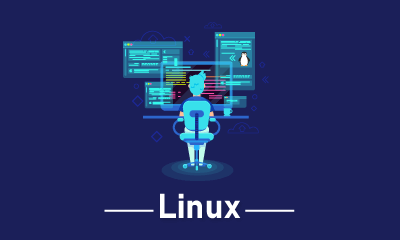
Linux is the backbone of most modern infrastructure. Whether you’re managing cloud servers, containers, or CI/CD pipelines, Linux knowledge is non-negotiable.
You should be confident in:
- Navigating file systems and handling permissions
- Managing processes and services
- Writing shell scripts for automation
- Understanding system logs and troubleshooting
Beyond commands, you need system-level thinking—understanding how CPU, memory, disk, and network interact under load.
3. Strong Programming and Automation Skills

Automation is the heart of DevOps. If you’re doing something manually more than once, it should probably be automated.
Popular programming and scripting languages include:
- Python for automation and tooling
- Bash for quick scripting tasks
- JavaScript (Node.js) for integrations
- Go for high-performance DevOps tools
With programming skills, you can:
- Build custom automation scripts
- Integrate APIs and services
- Optimize workflows
- Reduce human errors significantly
4. Expertise in CI/CD Pipelines
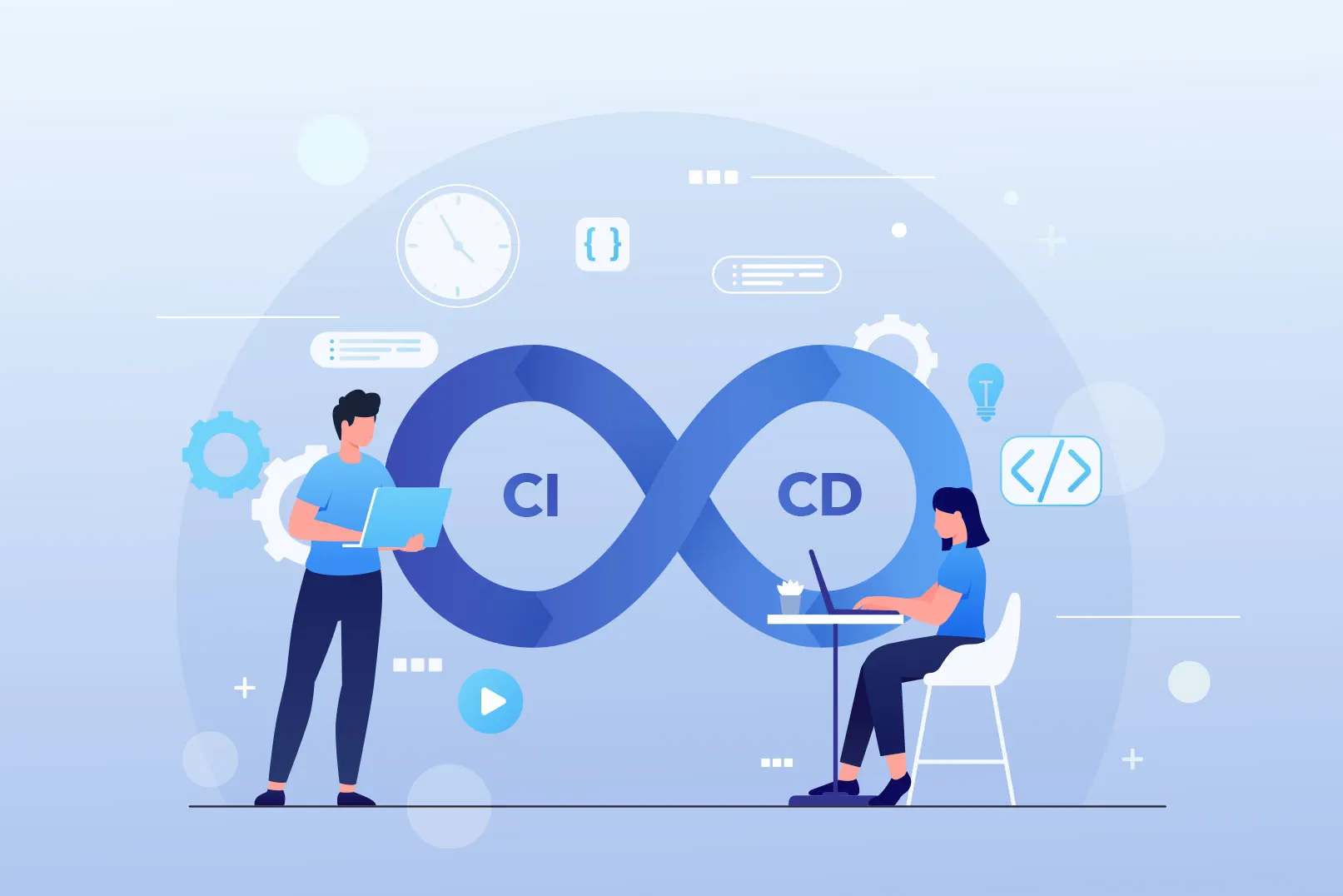
A DevOps engineer must know how to design pipelines that:
- Automatically build and test code
- Run security and quality checks
- Deploy applications across environments
- Roll back safely when failures occur
Common tools include Jenkins, GitHub Actions, and GitLab CI/CD. But beyond tools, the focus should be on pipeline efficiency, reliability, and speed.
5. Cloud Computing and Architecture Design
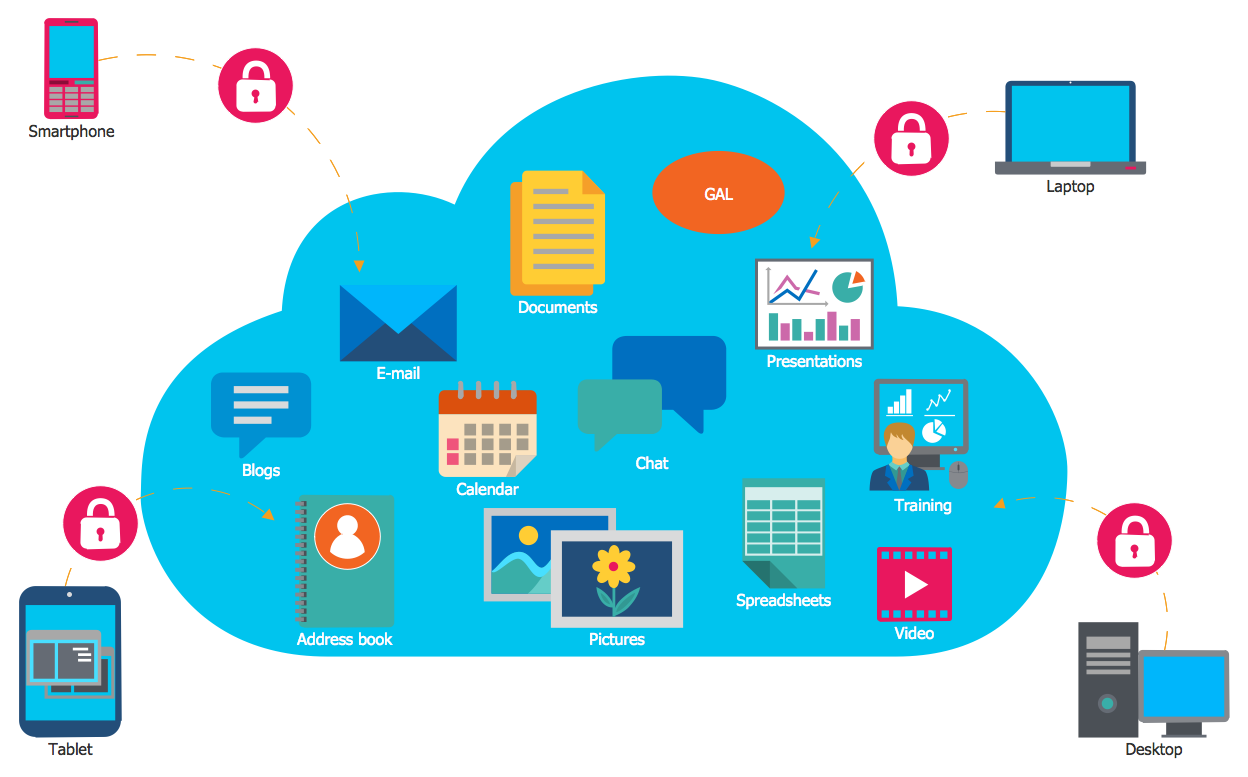
Cloud platforms are the foundation of DevOps.
You should understand how to design systems on:
- Amazon Web Services (AWS)
- Microsoft Azure
- Google Cloud Platform (GCP)
Key concepts include:
- Virtual machines and container services
- Storage and databases
- Networking (VPCs, load balancers)
- High availability and fault tolerance
Modern DevOps engineers don’t just use the cloud—they architect scalable systems on it.
6. Containerization and Kubernetes Orchestration
Containers revolutionized how applications are built and deployed.
With Docker, you can package applications and their dependencies into portable units. Kubernetes then helps manage these containers at scale.
Important concepts include:
- Container lifecycle management
- Kubernetes pods, deployments, and services
- Scaling and self-healing systems
- Service discovery and networking
Mastering this area is essential for working with microservices architectures.
7. Infrastructure as Code (IaC) and Configuration Management
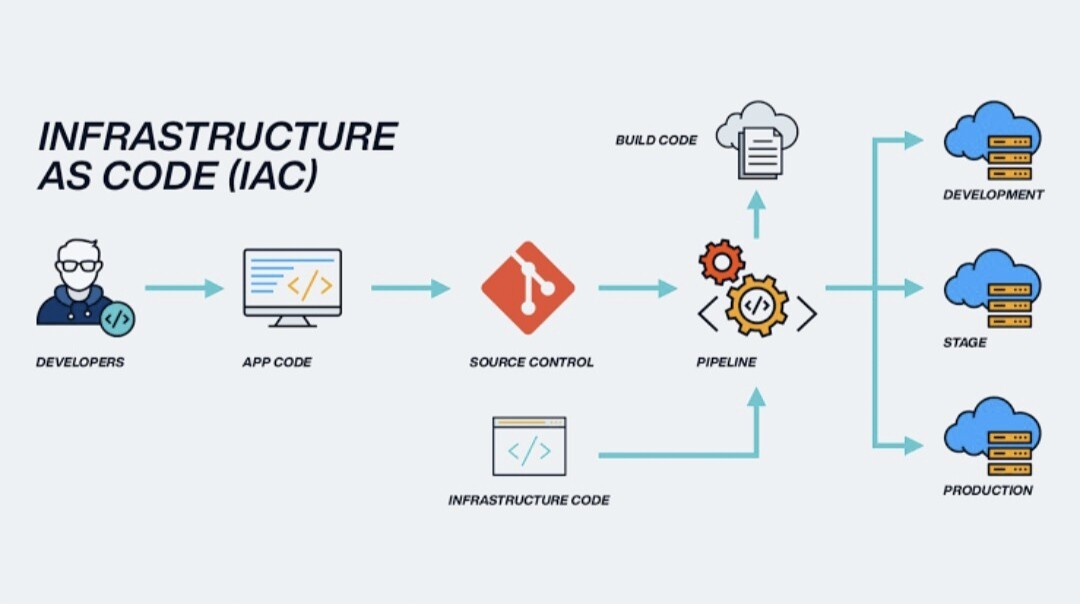
Infrastructure as Code allows you to define infrastructure using configuration files instead of manual setup.
Popular tools include:
- Terraform
- Ansible
- AWS CloudFormation
This approach enables:
- Version-controlled infrastructure
- Consistent environments
- Faster provisioning
- Reduced configuration drift
IaC is crucial for building reproducible and scalable systems.
8. Monitoring, Logging, and Observability
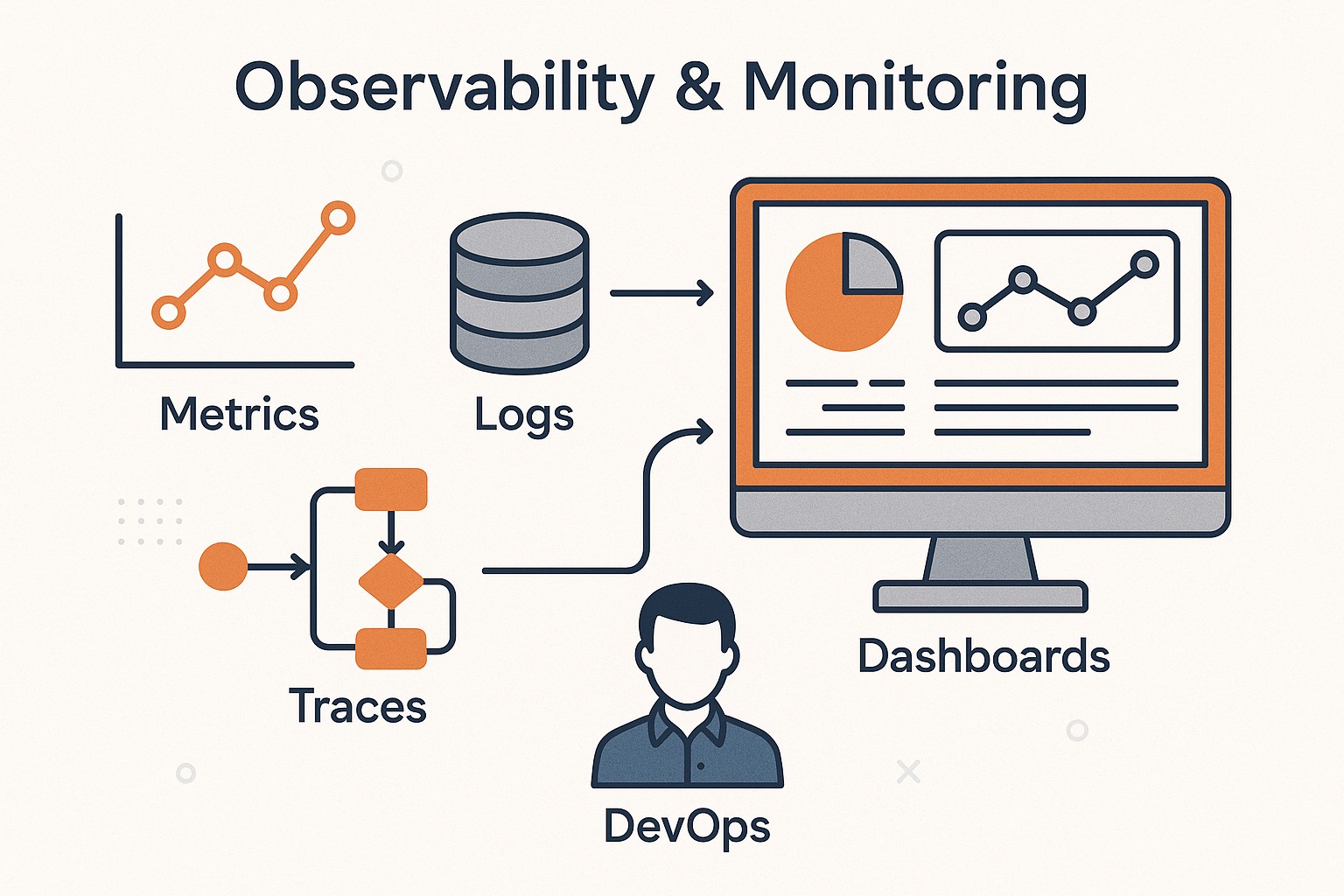
Modern systems are complex, and visibility is key to reliability.
DevOps engineers must implement:
- Monitoring for system metrics
- Logging for debugging
- Tracing for distributed systems
Tools like Prometheus, Grafana, and the ELK Stack help track system health and performance.
Observability ensures that you can detect issues before users do.
9. Security Integration (DevSecOps)
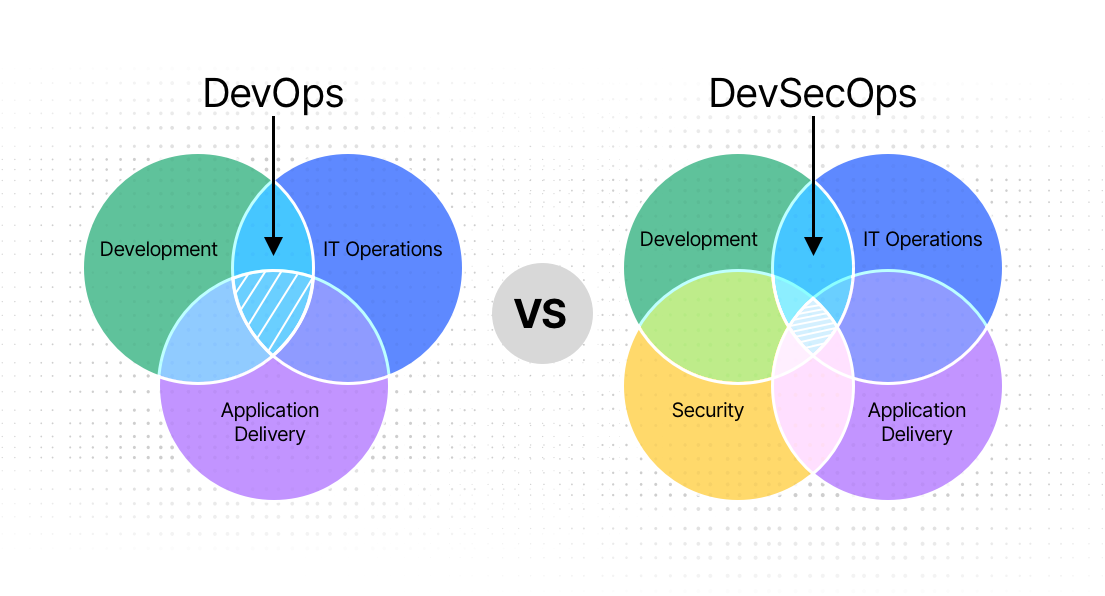
Security is no longer a separate phase—it’s embedded into every stage of development.
DevSecOps focuses on:
- Automated security testing
- Vulnerability scanning
- Secrets management
- Identity and access control
A skilled DevOps engineer ensures that systems are secure by design, not patched later.
10. Collaboration, Communication, and Problem-Solving

At its core, DevOps is about people working together effectively.
You must be able to:
- Communicate technical concepts clearly
- Collaborate across teams
- Handle high-pressure production issues
- Continuously learn and adapt
Strong soft skills amplify your technical abilities and make you a valuable team member.
Final Thoughts
The role of a DevOps engineer in 2026 is both challenging and rewarding. It requires a multi-disciplinary approach, combining development, operations, security, and business understanding.
If you focus on mastering these skills step by step—starting from fundamentals like Linux and scripting, and progressing toward advanced areas like Kubernetes and cloud architecture—you’ll build a solid career in DevOps.
Remember, DevOps is not about knowing every tool. It’s about solving problems efficiently, automating intelligently, and delivering value faster.
if you want to level up? Enroll in a hands-on DevOps course in Chennai that includes software development projects. It’s the best of both worlds.
Related Links