10 Best Skills for Web Development in 2026: The Ultimate In-Depth Guide

Web development Skills in 2026 is no longer limited to just creating static websites. It has transformed into a multidisciplinary field that blends programming, design, performance engineering, and cloud infrastructure. Businesses now demand developers who can build fast, scalable, and visually engaging digital experiences across devices.
Table Of Content
- 10 most important web development skills
- 1. HTML & CSS – Building the Structure and Style of the Web
- 2. JavaScript – Adding Life and Intelligence to Websites
- 3. Frontend Frameworks – Building Scalable User Interfaces
- 4. Backend Development – Powering the Logic Behind the Scenes
- 5. Version Control – Managing Code Like a Professional
- 6. Responsive Design – Creating Seamless Experiences Across Devices
- 7. Web Performance Optimization – Building Fast and Efficient Websites
- 8. APIs & Integration – Connecting the Digital Ecosystem
- 9. UI/UX Principles – Designing for Humans, Not Just Code
- 10. DevOps & Deployment – Taking Your Projects Live
- Conclusion: Becoming a Complete Web Developer in 2026
- Related Reads
If you’re aiming to become a professional web developer or upgrade your current skillset, you need more than just basic knowledge. You need a strong combination of foundational skills, modern tools, and real-world problem-solving ability. In this detailed guide, we’ll explore the 10 most important web development skills, explaining each one in depth so you understand not just what to learn, but also why it matters and how it fits into the bigger picture.
10 most important web development skills
1. HTML & CSS – Building the Structure and Style of the Web
Every website you see on the internet is built on HTML and CSS. These are not optional skills—they are the core foundation of web development. HTML (HyperText Markup Language) defines the structure of a webpage, while CSS (Cascading Style Sheets) controls its visual presentation.
When you open a webpage, everything—from headings and paragraphs to images and buttons—is structured using HTML. CSS then transforms that raw structure into something visually appealing by applying colors, layouts, spacing, and animations.
In modern development, HTML is no longer just about tags; it’s about writing semantic and accessible markup. Similarly, CSS has evolved far beyond simple styling. With technologies like Flexbox and Grid, developers can now create complex layouts without relying on external libraries.
A strong grasp of HTML and CSS allows you to:
- Build clean and structured web pages
- Create responsive layouts that adapt to any screen
- Maintain accessibility standards for better usability
Without mastering these fundamentals, moving into advanced tools becomes significantly harder.
2. JavaScript – Adding Life and Intelligence to Websites

If HTML and CSS create the body of a website, JavaScript gives it life. It enables interactivity, allowing users to engage with web pages in real time. Whether it’s form validation, animations, or dynamic content updates, JavaScript is the driving force behind modern web applications.
In 2026, JavaScript is more powerful than ever. It’s no longer limited to the browser—it can run on servers, mobile apps, and even IoT devices. Modern JavaScript includes features like asynchronous programming, modules, and advanced APIs that allow developers to build highly dynamic systems.
Understanding JavaScript deeply means learning how the browser works, how the DOM (Document Object Model) is manipulated, and how data flows through an application. It also involves mastering asynchronous operations using promises and async/await, which are essential for handling real-world scenarios like API calls.
Developers who truly understand JavaScript can:
- Build interactive and user-friendly interfaces
- Handle complex logic efficiently
- Transition easily into frontend frameworks and backend development
3. Frontend Frameworks – Building Scalable User Interfaces
As applications grow more complex, writing everything in plain JavaScript becomes difficult to manage. This is where frontend frameworks come into play. Tools like React, Vue, and Angular help developers organize their code into reusable components, making applications easier to scale and maintain.
Frameworks introduce a structured way of building applications. Instead of manipulating the DOM manually, developers describe how the UI should look based on data, and the framework handles updates efficiently.
Learning a framework is not just about syntax—it’s about understanding concepts like component architecture, state management, and data flow. These concepts are crucial for building modern applications such as dashboards, social media platforms, and SaaS products.
By mastering frontend frameworks, you gain the ability to:
- Build large-scale applications efficiently
- Write cleaner and reusable code
- Improve performance through optimized rendering
4. Backend Development – Powering the Logic Behind the Scenes
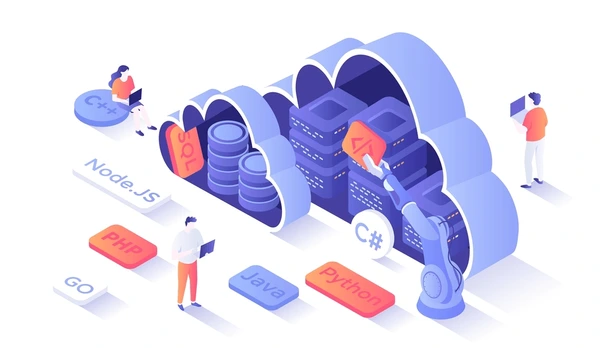
While frontend development focuses on what users see, backend development handles everything behind the scenes. It is responsible for data processing, authentication, business logic, and communication with databases.
A backend system acts as the brain of an application. When a user logs in, submits a form, or fetches data, the backend processes these actions and returns the appropriate response.
In today’s ecosystem, technologies like Node.js, Python, and PHP dominate backend development. Each offers powerful frameworks that simplify server-side programming.
Understanding backend development allows you to:
- Build complete, end-to-end applications
- Create and manage APIs
- Handle user data securely and efficiently
Developers who can work on both frontend and backend are known as full-stack developers, and they are highly valued in the industry.
5. Version Control – Managing Code Like a Professional
Version control is one of the most essential yet often underestimated skills. Tools like Git help developers track changes in their code, collaborate with others, and maintain a history of their work.
In real-world projects, multiple developers work on the same codebase. Without version control, managing changes would be chaotic. Git allows teams to create branches, merge code, and resolve conflicts efficiently.
Beyond collaboration, version control also acts as a safety net. If something breaks, you can always revert to a previous version.
Mastering version control helps you:
- Work effectively in teams
- Contribute to open-source projects
- Maintain a clean and organized codebase
6. Responsive Design – Creating Seamless Experiences Across Devices

In 2026, users access websites from a wide range of devices, including smartphones, tablets, laptops, and even smart TVs. A website that looks great on a desktop but fails on mobile is no longer acceptable.
Responsive design ensures that your website adapts to different screen sizes and resolutions. This involves flexible layouts, scalable images, and media queries that adjust styles based on device characteristics.
The modern approach is mobile-first design, where developers design for smaller screens first and then scale up for larger devices. This approach ensures better performance and usability.
By mastering responsive design, you can:
- Deliver consistent user experiences
- Improve accessibility and usability
- Meet modern industry standards
7. Web Performance Optimization – Building Fast and Efficient Websites
Speed is a critical factor in web development. Users expect websites to load instantly, and even a slight delay can lead to higher bounce rates.
Performance optimization involves reducing load times and improving efficiency. This includes optimizing images, minimizing CSS and JavaScript files, and using techniques like lazy loading and caching.
Modern tools allow developers to analyze performance and identify bottlenecks. A well-optimized website not only improves user experience but also ranks higher in search engines.
Developers who focus on performance can:
- Build faster and more efficient applications
- Enhance user satisfaction
- Improve SEO and engagement metrics
8. APIs & Integration – Connecting the Digital Ecosystem
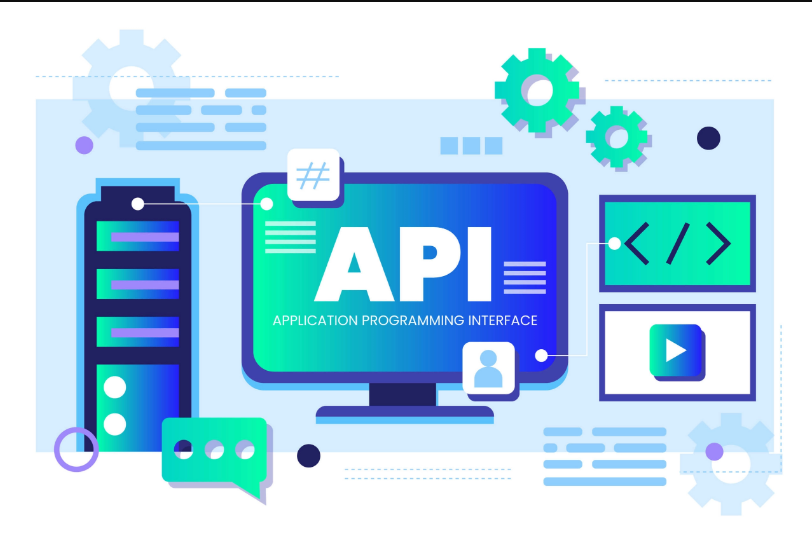
Modern web applications rarely operate in isolation. They rely on APIs (Application Programming Interfaces) to communicate with other systems and services.
APIs allow your application to fetch data, send information, and integrate with third-party tools such as payment gateways, authentication services, and cloud platforms.
Understanding APIs involves learning how HTTP requests work, how data is structured using JSON, and how to handle errors effectively.
With strong API skills, you can:
- Build scalable and connected applications
- Integrate powerful external services
- Create dynamic, data-driven experiences
9. UI/UX Principles – Designing for Humans, Not Just Code
A technically perfect website can still fail if it doesn’t provide a good user experience. This is where UI (User Interface) and UX (User Experience) design come into play.
UI focuses on the visual elements of a website, such as colors, typography, and layout. UX, on the other hand, focuses on how users interact with the system and how intuitive that interaction feels.
Understanding basic design principles helps developers create interfaces that are not only functional but also enjoyable to use.
Developers with UI/UX knowledge can:
- Build intuitive and user-friendly designs
- Improve user engagement
- Stand out in competitive job markets
10. DevOps & Deployment – Taking Your Projects Live
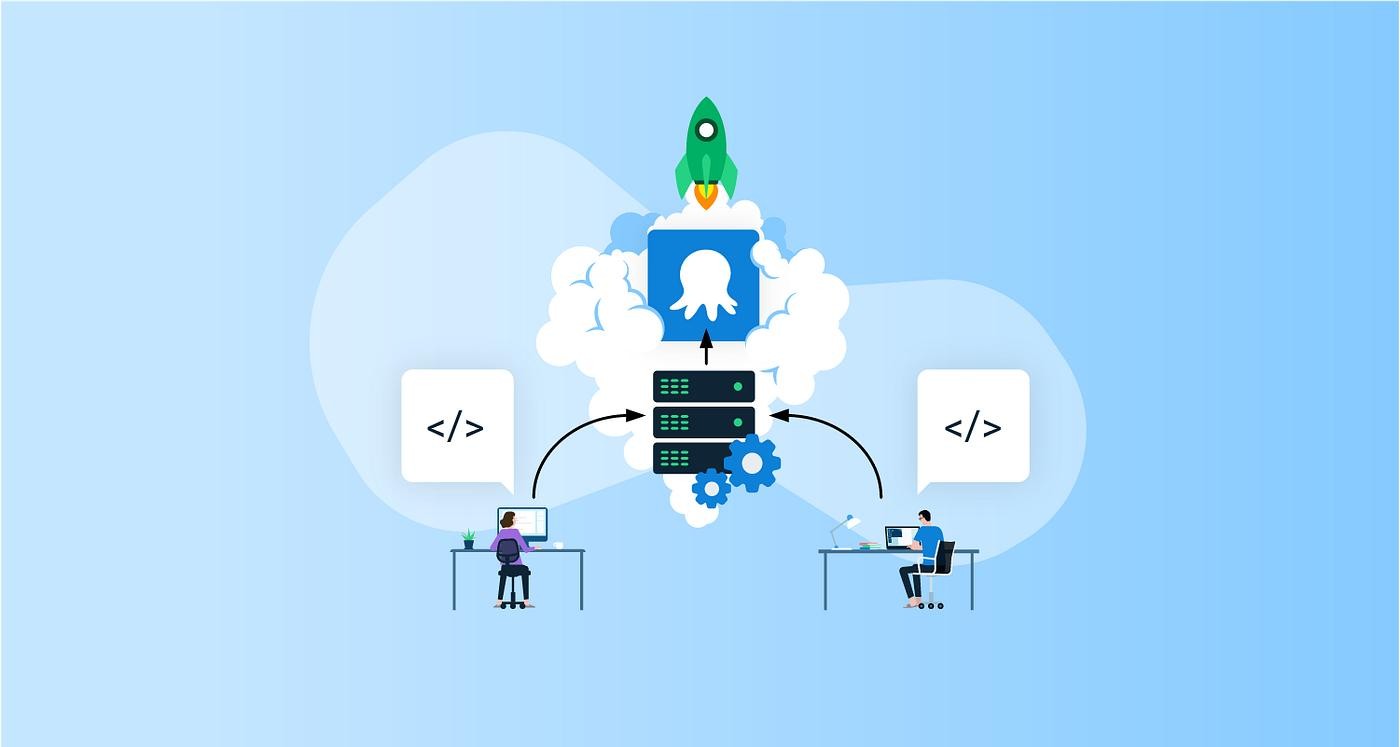
Building a website is only part of the journey. The final step is deployment—making your application accessible to users on the internet.
DevOps practices help streamline this process by automating testing, integration, and deployment. Tools like CI/CD pipelines ensure that updates are delivered quickly and reliably.
Understanding deployment also involves learning about hosting platforms, domain management, and server configuration.
With DevOps skills, you can:
- Launch projects confidently
- Automate workflows
- Maintain and scale applications efficiently
Conclusion: Becoming a Complete Web Developer in 2026
Web development is a continuously evolving field, and success depends on your ability to adapt and learn. The skills discussed in this guide are not isolated—they work together to form a complete development ecosystem.
A strong developer in 2026 is someone who understands both the technical and creative aspects of building web applications. By mastering these 10 skills, you position yourself to build powerful, scalable, and user-focused solutions.
Start with the fundamentals, practice consistently, and gradually expand into advanced areas. Over time, you’ll not only become a skilled developer but also someone capable of building impactful digital experiences.
Kaashiv Infotech Offers Full Stack Java Developer Course, Java Internship & More Programming Courses Visit Our Website www.kaashivinfotech.com.
Related Reads: