
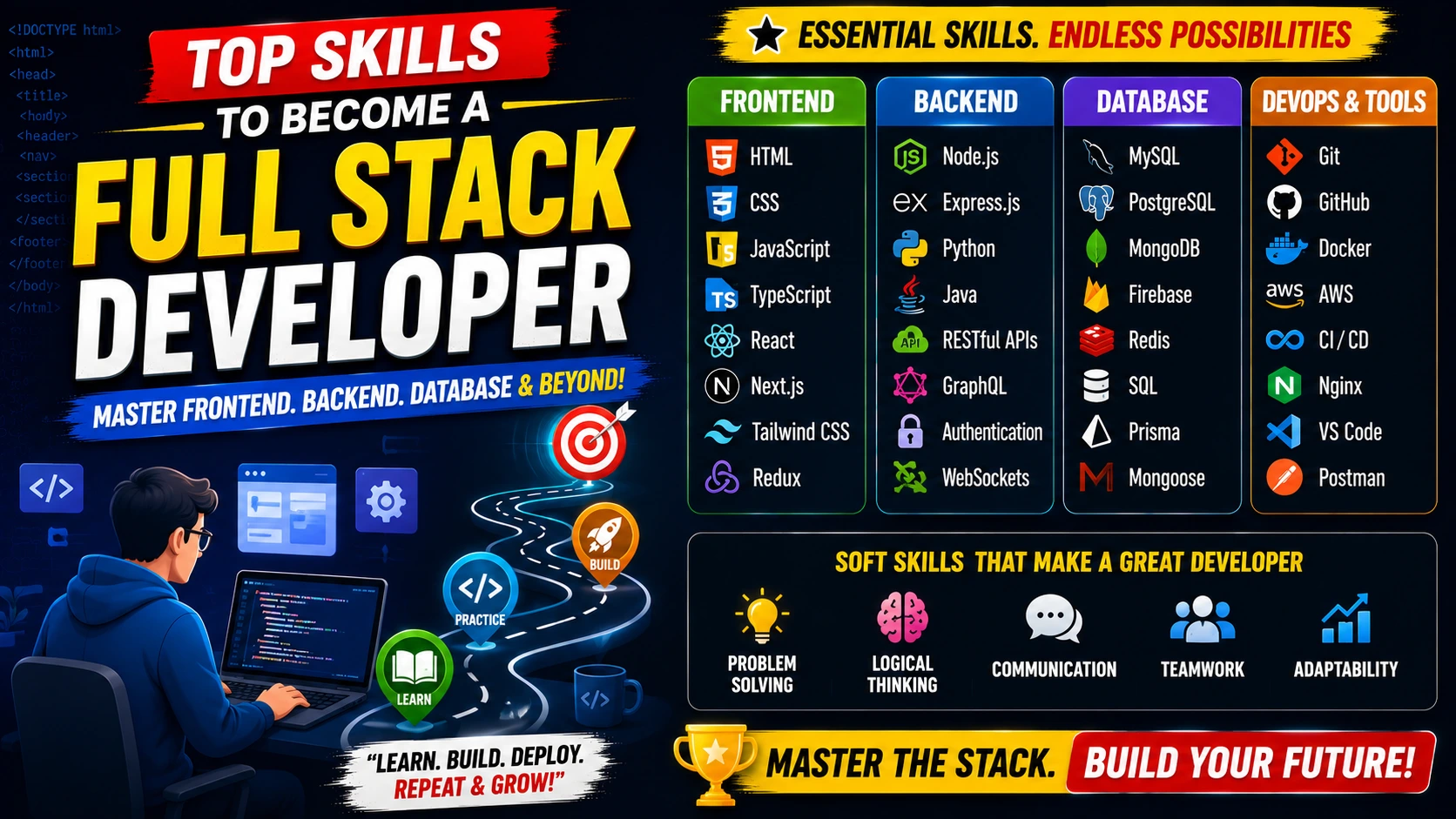
A full stack developer is a skilled professional who can work on both front-end and back-end development, manage databases, handle server deployment, and much more. In today’s tech-driven world, full stack developer technical skills are in high demand across startups and enterprises alike. Mastering the top skills for full stack developer roles not only makes you versatile but also opens doors to higher-paying opportunities and career growth.
What is a full-stack developer?
A full-stack developer is a professional in the field of software development who possesses a broad range of skills and expertise that enable them to work on both the front-end and back-end portions of web applications or software projects. In other words, they are capable of handling all aspects of a software application, from designing the user interface to managing the server and database.
Front-End Development Technical Skills
Full-stack developers are proficient in front-end technologies, which involve creating the user interface and user experience of a software application. This includes using languages like HTML, CSS, and JavaScript to design and develop the client-side components of a website or web application.
Back-End Development Technical Skills
Full-stack developers are also skilled in back-end development, which involves managing the server-side logic and infrastructure of an application. They work with server-side programming languages such as Python, Ruby, Java, PHP, or JavaScript (Node.js) to handle tasks like data storage, user authentication, and server communication.
Database Management
Full-stack developers are experienced in working with databases, including relational databases (e.g., MySQL, PostgreSQL) and NoSQL databases (e.g., MongoDB, Redis). They can design and interact with databases to store and retrieve data efficiently.
Server Management
Full-stack developers are responsible for setting up and managing the server environment, including configuring web servers (e.g., Apache, Nginx), server security, and deployment processes. They may also work with cloud platforms like AWS, Azure, or Google Cloud.
Version Control
Proficiency with version control systems like Git is essential for full-stack developers. This allows them to collaborate with other team members, track changes to the codebase, and manage different versions of the software.
Web Development Frameworks
Full-stack developers often use web development frameworks to streamline and speed up the development process. These frameworks can include Angular, React, Vue.js (for front-end), and various back-end frameworks like Express.js, Django, Ruby on Rails, or Laravel.
Problem Solving
Full-stack developers possess strong problem-solving skills and are capable of troubleshooting issues that may arise on both the front-end and back-end of an application.
Communication and Collaboration
Full-stack developers often work in cross-functional teams, so effective communication and collaboration skills are crucial for understanding project requirements, coordinating with designers and other developers, and delivering high-quality software.
Difference Between Full-Stack Developer & Software Engineer
Full-stack developers and software engineers are both professionals in the field of software development, but they often have different roles, responsibilities, and areas of expertise.
1.Scope of Work
Full-Stack Developer
Full-stack developers primarily focus on web development and are skilled in both front-end and back-end development. They can work on the entire stack of a web application, from designing user interfaces to managing server-side logic and databases. Their expertise is often more specialized in web technologies and frameworks.
Software Engineer
Software engineers have a broader scope and can work on a wide range of software applications, including web, mobile, desktop, embedded systems, and more. They may not necessarily be specialized in web development but can work on various software projects across different domains.
2.Expertise
Full-Stack Developer
Full-stack developers excel in web technologies, such as HTML, CSS, JavaScript, and web development frameworks. They are proficient in server-side programming languages like Node.js, Python, Ruby, or PHP. Their expertise is geared towards building web applications and websites.
Software Engineer
Software engineers have a broader skill set that includes proficiency in programming languages and technologies beyond web development. They might work with languages like C++, Java, C#, or others depending on the type of software they are building. Their expertise extends to software architecture, algorithms, data structures, and often involves solving complex problems.
3.Responsibilities
Full-Stack Developer
Full-stack developers are responsible for both the front-end and back-end components of web applications. They handle tasks related to user interface design, client-server communication, database management, and deployment.
Software Engineer
Software engineers have a wide range of responsibilities depending on the project they are working on. These can include requirements analysis, system design, coding, testing, debugging, performance optimization, and maintenance. They may work on various aspects of software development, such as embedded systems, mobile apps, or enterprise-level applications.
4.Career Path
Full-Stack Developer
Full-stack developers often specialize in web development and may have career paths that lead to roles like senior full-stack developer, front-end developer, back-end developer, or web architect.
Software Engineer
Software engineers can work in various domains, such as systems software, application software, game development, embedded systems, and more. They can progress into roles like software architect, system analyst, software development manager, or even specialize in areas like machine learning, artificial intelligence, or cybersecurity.
Technical Skills for Full Stack Developer
To thrive in today’s web development landscape, full stack developers need a blend of front-end and back-end capabilities, as well as database, version control, and deployment expertise. Here’s a breakdown of the core technical skills for full stack developer success:
Top 10 Skills for Full Stack Developer in 2025
Full-stack developers need a diverse skill set to effectively work on both the front-end and back-end of web applications.
1.HTML/CSS
Proficiency in HTML (Hypertext Markup Language) and CSS (Cascading Style Sheets) is fundamental for building the structure and styling of web pages.
2.JavaScript
A strong grasp of JavaScript is essential for creating dynamic and interactive user interfaces. Familiarity with modern JavaScript frameworks and libraries like React, Angular, or Vue.js can be a significant advantage.

3.Front-End Frameworks
Full-stack developers should be comfortable using front-end frameworks to streamline development. Familiarity with popular frameworks like React, Angular, or Vue.js is highly beneficial.

4.Back-End Programming Languages
Knowledge of server-side programming languages like Node.js, Python, Ruby, Java, or PHP is crucial for developing server logic and handling data.
5.Back-End Frameworks
Proficiency in back-end frameworks such as Express.js (Node.js), Django (Python), Ruby on Rails (Ruby), Spring Boot (Java), or Laravel (PHP) can greatly expedite back-end development tasks.
6.Database Management
Understanding of database systems, both relational (e.g., MySQL, PostgreSQL) and NoSQL (e.g., MongoDB, Redis), is essential for storing and retrieving data efficiently.
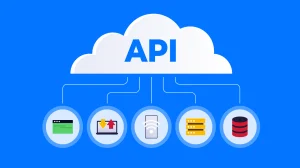
7.APIs (Application Programming Interfaces)
The ability to design and consume APIs is important for connecting the front-end and back-end components of a web application and for integrating with third-party services.
8.Version Control/Git
Proficiency in version control systems, especially Git, is crucial for collaboration with other developers, code management, and tracking changes.
9.Server Management and Deployment
Familiarity with server configurations, cloud platforms (e.g., AWS, Azure, Google Cloud), and deployment processes (e.g., Docker, Kubernetes) is important for hosting and scaling web applications.
10.Problem-Solving and Debugging
Strong problem-solving skills are invaluable for identifying and resolving issues in both front-end and back-end code.
Final Thoughts on Top Skills for Full Stack Developer
In 2025, the demand for professionals with full stack developer technical skills continues to surge. Whether you’re starting out or upskilling, building a strong foundation in both front-end and back-end technologies—combined with cloud, DevOps, and soft skills—will set you apart in the competitive job market.
FAQs About Full Stack Developer Technical Skills
1. What is a full-stack developer, and why is it an in-demand role in 2025?
A full-stack developer is someone skilled in both front-end and back-end development. The role remains in-demand in 2025 due to cost-effectiveness, versatility, and ability to deliver complete solutions.
2. What are essential programming languages for full-stack developers?
HTML, CSS, JavaScript (including frameworks like React), and back-end languages like Node.js, Python, Ruby, and PHP.
3. Should I specialize in front-end or back-end as a full-stack developer?
While you may have a preference, being skilled in both areas significantly increases your value and job opportunities.
4. Which front-end frameworks should I learn?
Popular frameworks include React, Angular, and Vue.js—any of which are highly sought after.
5. Which back-end frameworks are in demand?
Express.js, Django, Ruby on Rails, Laravel, and Spring Boot are among the top choices.
6. What databases should I focus on?
Learn both relational (e.g., MySQL, PostgreSQL) and NoSQL (e.g., MongoDB, Redis) databases to be versatile.


Great list of skills! One thing I’ve found helpful in my own development journey is setting up personal projects to practice both front-end and back-end. I think that’s a key way to really internalize the skills beyond just theory. What are your thoughts on this approach?