
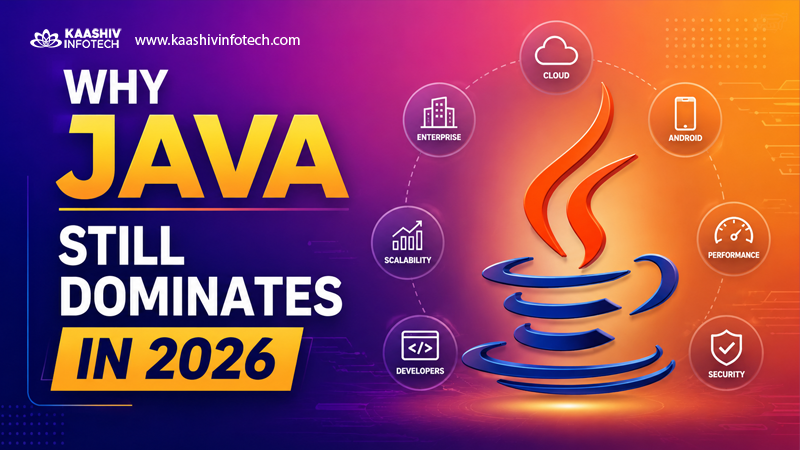
In a tech world that constantly chases the “next big thing,” very few technologies manage to stay relevant for decades. Yet Java continues to stand tall in 2026—powering everything from enterprise systems and banking platforms to Android apps and cloud-native architectures.
Java Relevance in 2026 – Despite competition from modern languages like Python, Go, and Rust, Java has not only survived but evolved. Its ability to adapt, scale, and deliver reliability keeps it deeply embedded in the global software ecosystem.
Let’s dive deeper into the reasons why Java is still one of the most important programming languages today.
1. Platform Independence That Still Matters
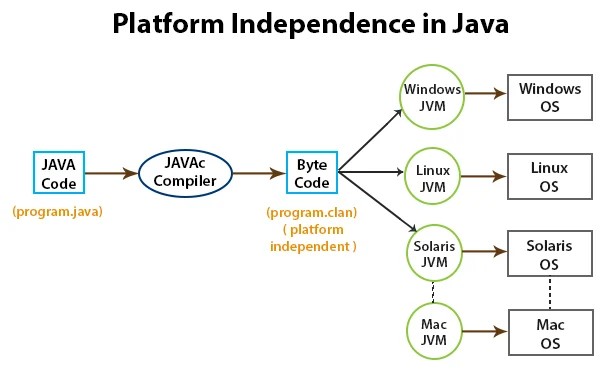
One of Java’s core philosophies—“Write Once, Run Anywhere” (WORA)—remains highly relevant even today. With the help of the Java Virtual Machine (JVM), Java code can run on any system that supports it, regardless of hardware or operating system.
In 2026, where businesses deploy applications across multiple environments—cloud, on-premise servers, containers, and edge devices—this portability is invaluable. Developers don’t need to rewrite code for different platforms, which significantly reduces development time and operational complexity.
2. The Backbone of Enterprise Applications
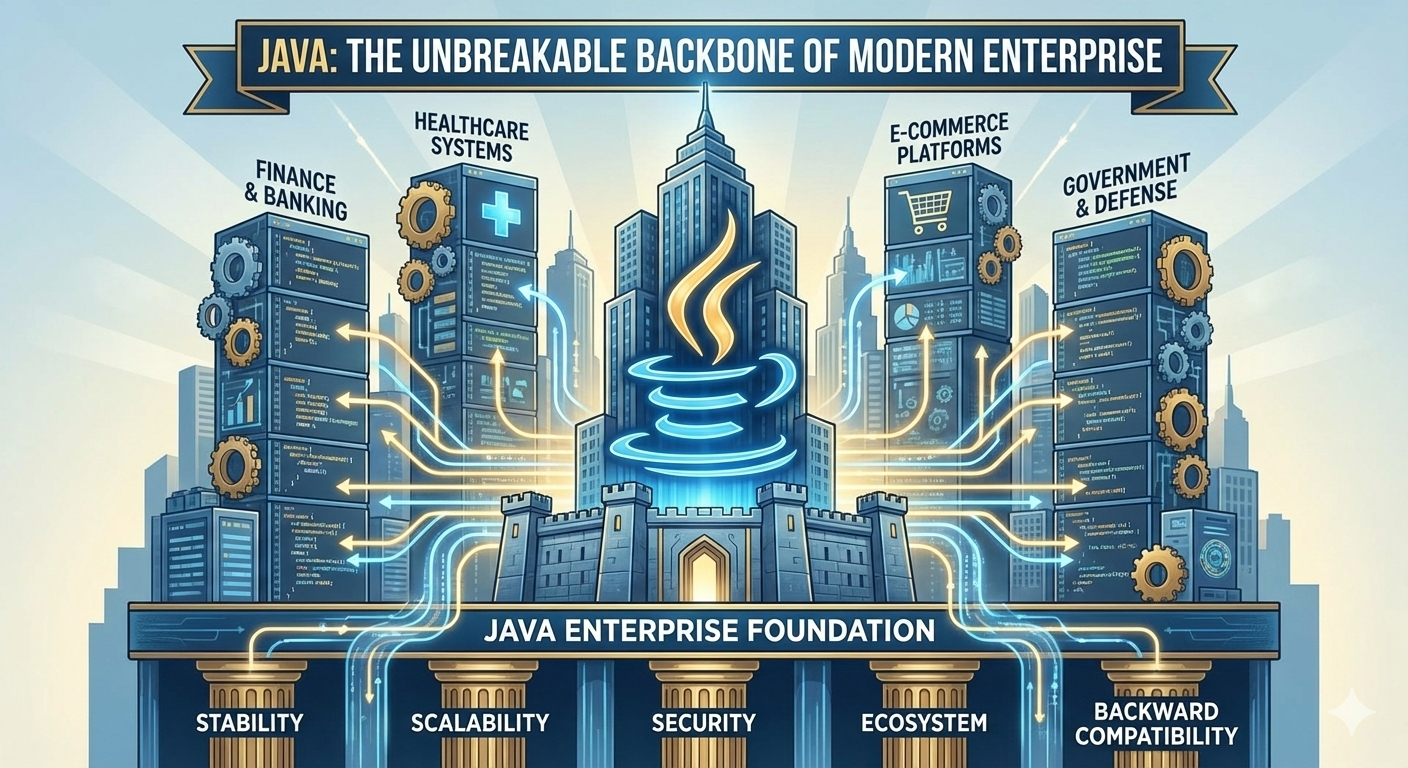
Java continues to dominate enterprise-level development. Large-scale applications used by banks, insurance companies, healthcare providers, and government systems are often built using Java.
Frameworks like Spring Boot, Hibernate, and Jakarta EE enable developers to build highly scalable and maintainable systems. These frameworks have matured over the years, offering stability and performance that enterprises rely on.
Even in 2026, if you walk into a Fortune 500 company, there’s a high chance their backend systems are powered by Java.
3. Continuous Innovation Keeps Java Modern
A common misconception is that Java is outdated. In reality, Java has been evolving consistently with new features and performance improvements.
Recent versions have introduced:
- Pattern matching for cleaner code
- Record classes for better data representation
- Virtual threads (Project Loom) for improved concurrency
- Enhanced garbage collection for better performance
These updates ensure Java remains competitive with newer programming languages while maintaining its reliability.
4. Massive Ecosystem and Community Support
Java boasts one of the largest developer communities in the world. This results in:
- Extensive documentation
- Thousands of open-source libraries
- Strong community-driven support
Whether you’re solving a bug, learning a concept, or building a new application, chances are someone has already created a solution or guide.
This ecosystem significantly reduces development effort and accelerates innovation.
5. Performance That Balances Speed and Productivity
Java strikes a perfect balance between performance and ease of development. With features like:
- Just-In-Time (JIT) compilation
- Optimized JVM execution
- Advanced memory management
Java applications can handle high loads efficiently.
While some low-level languages may offer slightly better raw performance, Java compensates with faster development cycles and maintainability—making it ideal for large-scale systems.
6. Built-In Security for Modern Applications
Security is more important than ever in 2026, especially with increasing cyber threats. Java provides robust security features out of the box, including:
- Secure class loading
- Bytecode verification
- Strong authentication and encryption APIs
- Runtime security checks
These capabilities make Java a trusted choice for sensitive applications like banking systems, payment gateways, and enterprise platforms.
7. Stronghold in Android Development
Even though Kotlin has gained popularity, Java still plays a significant role in Android development. Millions of existing Android apps are built using Java, and many organizations continue to maintain and scale them.
Additionally, Java knowledge makes it easier for developers to transition into Android development, as it remains deeply integrated into the Android ecosystem.
8. Exceptional Development Tools and IDEs
Java developers benefit from some of the most powerful development environments available, including:
- IntelliJ IDEA
- Eclipse
- NetBeans
These tools offer advanced features such as:
- Intelligent code completion
- Real-time error detection
- Automated refactoring
- Integrated debugging and testing
Such tooling improves productivity and ensures high-quality code.

9. Perfect Fit for Cloud and Microservices Architecture
Modern software development heavily relies on cloud computing and microservices—and Java has adapted exceptionally well.
With frameworks like Spring Boot, Micronaut, and Quarkus, developers can build lightweight, fast, and scalable microservices.
Java integrates seamlessly with:
- Docker containers
- Kubernetes orchestration
- Cloud platforms like AWS, Azure, and Google Cloud
This makes it a top choice for building resilient, distributed systems in 2026.
10. Backward Compatibility That Protects Investments
Java’s commitment to backward compatibility is one of its strongest advantages. Applications written years ago can still run on modern Java versions with minimal changes.
For businesses, this means:
- Lower migration costs
- Long-term stability
- Protection of legacy systems
In a world where technology changes rapidly, this level of consistency is extremely valuable.
11. Versatility Across Domains
Java is not limited to one area—it’s used across multiple domains, including:
- Web development
- Mobile applications
- Enterprise systems
- Big data technologies (like Hadoop)
- Financial services
- Embedded systems
This versatility ensures that learning Java opens doors to various career paths.

12. Strong Job Market and Career Opportunities
Even in 2026, Java developers are in high demand. Companies across industries continue to look for skilled Java professionals for backend development, system architecture, and enterprise solutions.
Because of its widespread use, Java offers:
- Stable career opportunities
- Competitive salaries
- Long-term growth potential
For beginners and experienced developers alike, Java remains a safe and rewarding choice.
Conclusion
Java’s longevity is not accidental—it’s the result of continuous innovation, a strong ecosystem, and unmatched reliability. While newer languages may shine in niche areas, Java’s ability to adapt and scale ensures its place in the future of technology.
In 2026, Java is not just relevant—it is essential.
Final Thoughts
If you’re considering learning a programming language or upgrading your skills, Java remains one of the smartest investments you can make. Its balance of performance, stability, and modern capabilities ensures that it will continue to power the digital world for years to come.
Kaashiv Infotech Offers Full Stack Java Developer Course, Java Internship & More Programming Courses Visit Our Website www.kaashivinfotech.com.


