Frontend–Backend Interaction Explained: A Complete Guide to How Web Applications Really Work

Frontend and Backend Interaction – In every modern web application—whether it’s a shopping site, a social media platform, or a banking app—there is a constant and invisible conversation happening behind the scenes. This conversation takes place between two major components: the frontend and the backend.
Table Of Content
- Understanding the Two Sides of a Web Application
- The Core Concept: Request and Response Cycle
- 1. The Process Begins with User Interaction
- 2. The Frontend Sends a Request to the Server
- 3. The Backend Receives and Understands the Request
- 4. Interaction with the Database
- 5. The Backend Sends a Response Back
- 6. The Frontend Updates the User Interface
- A Real-World Flow: Putting It All Together
- Technologies That Power This Interaction
- Challenges Developers Commonly Face
- Why This Concept Matters So Much
- Final Thoughts
- Related Reads
Most beginners learn these terms separately, but the real power comes from understanding how they work together as a system. This article takes a deep dive into that interaction, explaining it in a clear, practical, and detailed way so you can truly understand how real-world applications function.
Understanding the Two Sides of a Web Application
To fully grasp the interaction, you need to first visualize the frontend and backend as two different environments with different responsibilities.
The frontend is everything the user experiences directly. When you open a website and see a layout, click a button, fill out a form, or scroll through content, you are interacting with the frontend. It runs inside the browser and is built using technologies like HTML for structure, CSS for styling, and JavaScript for behavior. Modern frameworks such as React or Vue make frontend development more dynamic and responsive.
The backend, on the other hand, is completely hidden from the user. It runs on a server and is responsible for handling logic, processing requests, managing authentication, and interacting with databases. Languages like Python, Java, Node.js, and PHP are commonly used here. The backend ensures that the application behaves correctly and securely.
You can think of the frontend as a waiter taking your order, and the backend as the kitchen preparing your food. The user never sees the kitchen, but without it, nothing would work.
The Core Concept: Request and Response Cycle
At the heart of frontend–backend interaction lies a simple but powerful concept known as the request-response cycle. Every action a user performs triggers a chain of communication between the browser and the server.
1. The Process Begins with User Interaction
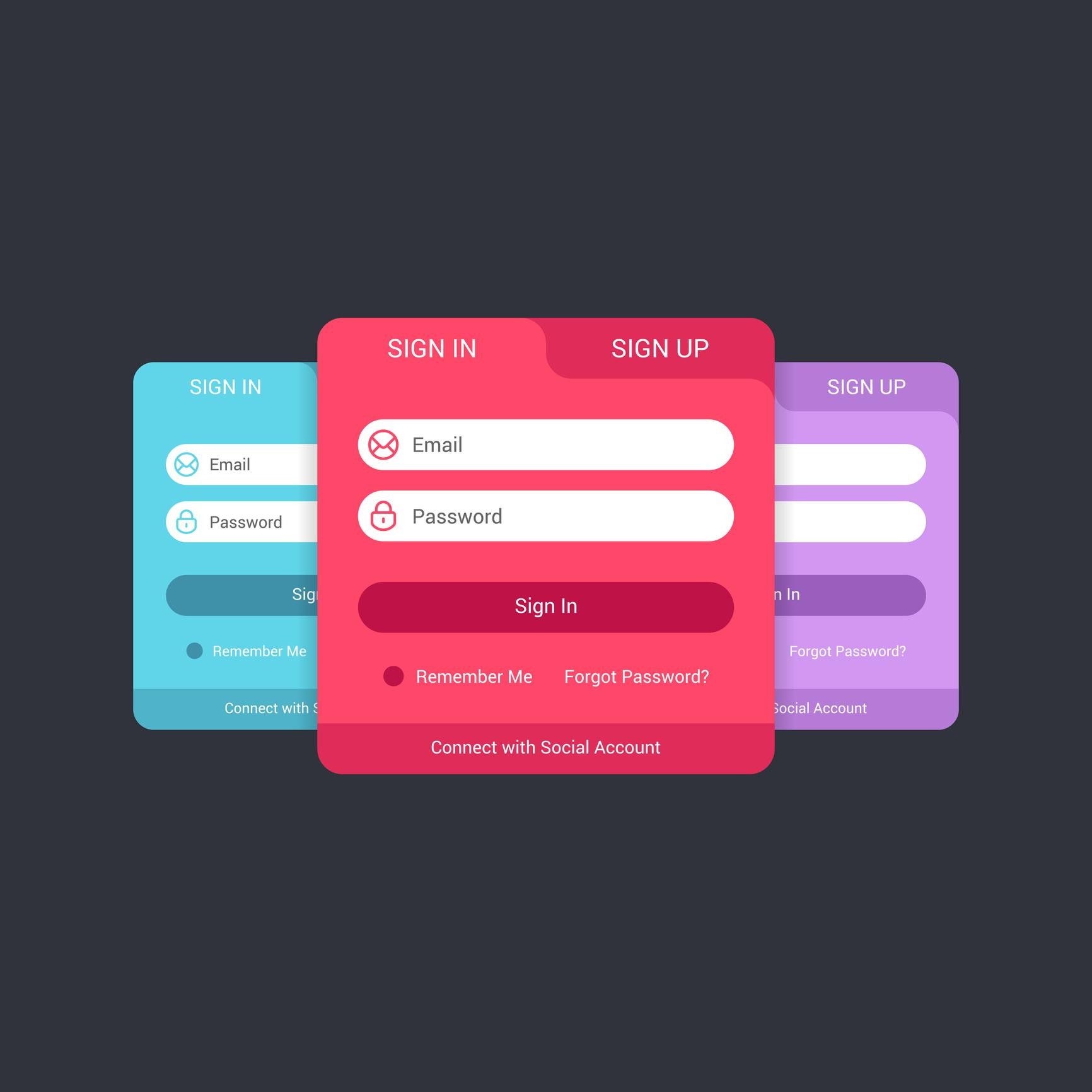
Everything starts when a user performs an action. This could be clicking a login button, searching for a product, or refreshing a page. From a technical perspective, this action signals the frontend to initiate communication with the backend.
For example, when a user tries to log in, the frontend collects the entered email and password. At this stage, nothing has been verified yet—it is simply user input waiting to be processed.
2. The Frontend Sends a Request to the Server
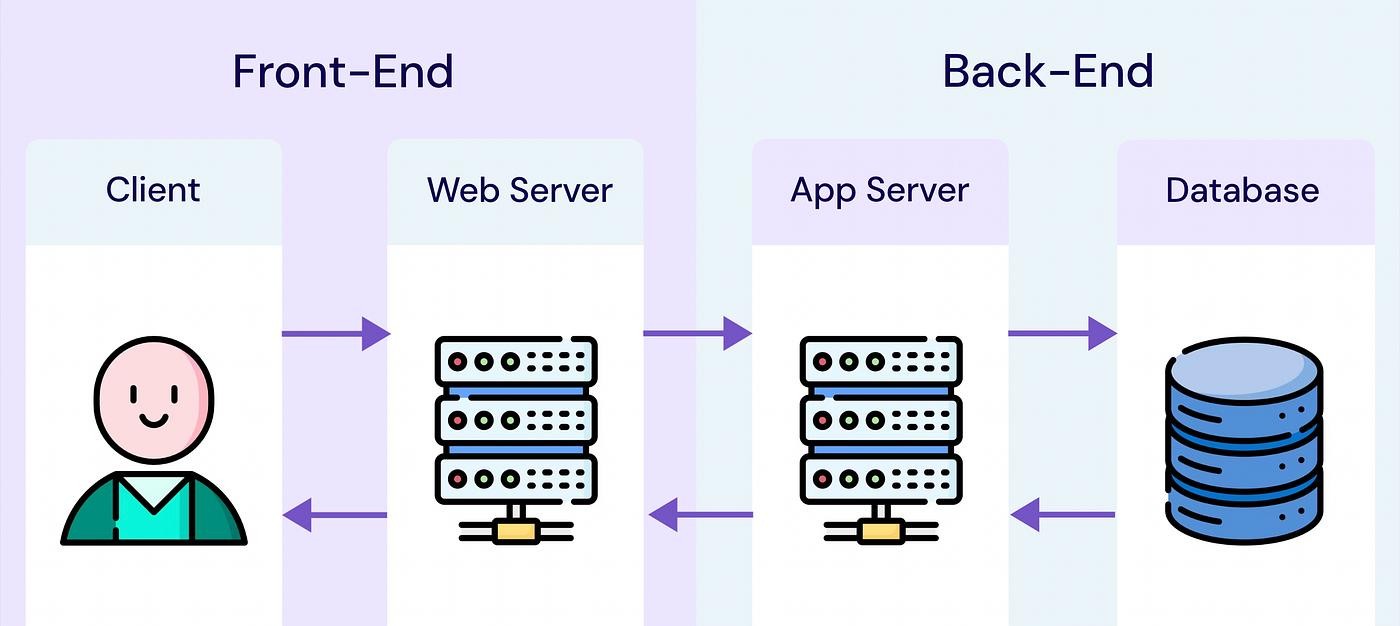
Once the user action is captured, the frontend creates an HTTP request and sends it to the backend server. This request travels over the internet using protocols such as HTTP or HTTPS.
Inside this request, the frontend includes important data. In the login example, it would include the user’s credentials. The request also specifies what kind of operation is needed—whether data should be fetched, created, updated, or deleted.
This communication usually happens through APIs, which act as structured endpoints that the frontend can call.
3. The Backend Receives and Understands the Request
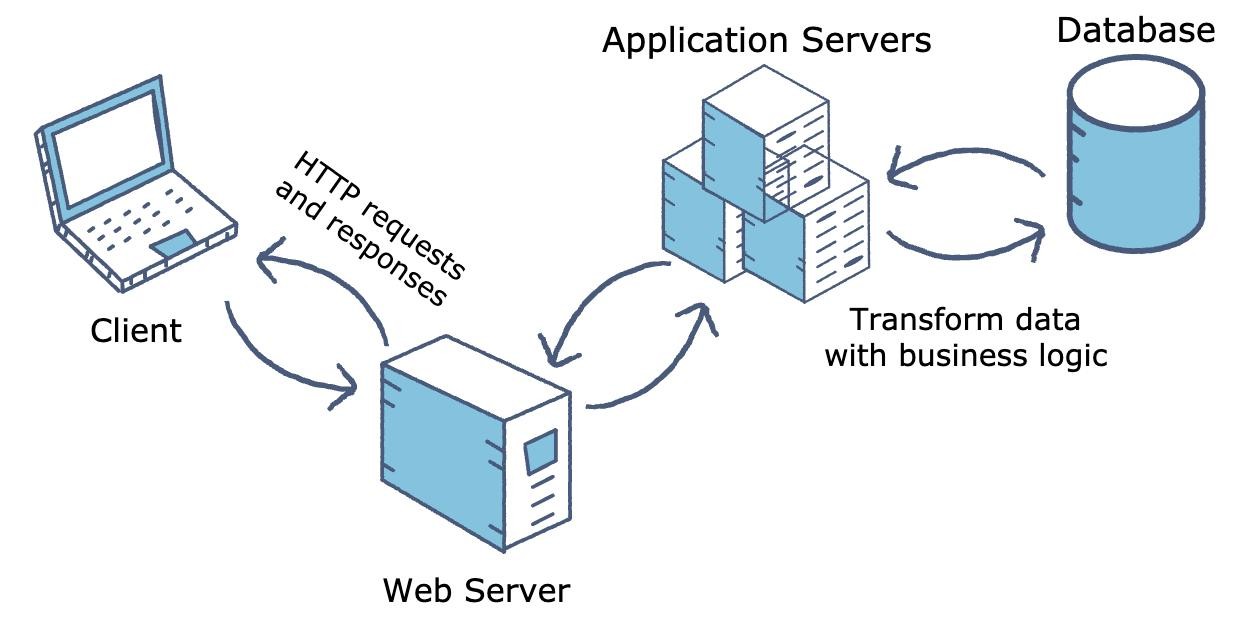
When the request reaches the server, the backend begins its work. It first interprets the request to understand what the client is asking for. Then it performs validation to ensure that the data is correct and safe to process.
For instance, in a login system, the backend checks whether the email format is valid and whether the password meets certain conditions. It also ensures that no malicious data is being sent.
After validation, the backend applies business logic. This is where the real decision-making happens. The system determines what should happen next based on the request.
4. Interaction with the Database
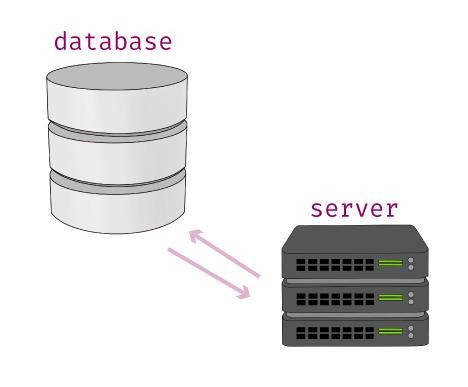
In most cases, the backend needs to retrieve or store data. This is where databases come into play. The backend communicates with a database management system such as MySQL, PostgreSQL, or MongoDB.
Continuing with the login example, the backend will search the database for a user record that matches the provided email. If found, it compares the stored password (usually encrypted) with the entered one.
This step is crucial because it determines whether the request can be fulfilled successfully or not.
5. The Backend Sends a Response Back
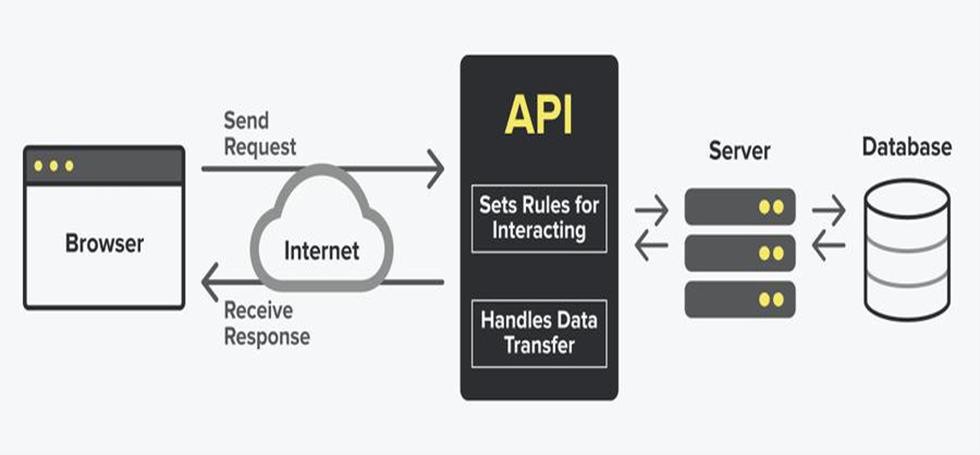
After processing the request and interacting with the database, the backend prepares a response. This response contains the result of the operation and is sent back to the frontend.
The data is typically structured in JSON format, which is lightweight and easy for JavaScript to understand.
For example, if the login is successful, the response may include a success message and user details. If it fails, it may include an error message explaining the issue.
6. The Frontend Updates the User Interface

If the login is successful, the user may be redirected to a dashboard. If not, an error message might appear on the screen. All of this happens almost instantly, creating a smooth user experience.
A Real-World Flow: Putting It All Together
To better understand the complete process, imagine a user ordering a product from an online store.
The user clicks on a product and presses the “Buy Now” button. The frontend sends a request to the backend with product details and user information. The backend checks whether the product is in stock and verifies the user’s payment details. It then updates the database to reflect the purchase and sends back a confirmation response. Finally, the frontend displays a success message along with the order summary.
This entire chain of events is an example of frontend–backend interaction working perfectly.
Technologies That Power This Interaction
Behind this process are several important technologies that ensure smooth communication. APIs act as bridges that define how requests and responses should be structured. HTTP and HTTPS protocols govern how data travels over the internet. JSON provides a standardized format for exchanging information.
Together, these technologies make it possible for systems built in completely different languages and environments to communicate effectively.
Challenges Developers Commonly Face
Even though the interaction seems straightforward, real-world development introduces complexity. Developers often encounter issues such as delayed server responses, authentication failures, or problems with cross-origin requests.
Sometimes the frontend expects data in a certain format, but the backend sends something different. In other cases, network instability can interrupt communication. Handling these challenges requires debugging skills and a solid understanding of the interaction process.
Why This Concept Matters So Much
Understanding how frontend and backend interact is one of the most important skills for any developer. It helps you move beyond writing isolated pieces of code and start building complete systems.
When you understand this flow, you can design better applications, identify problems faster, and create smoother user experiences. It also opens the door to becoming a full-stack developer, someone who can work on both sides of an application confidently.
Final Thoughts
The interaction between frontend and backend is not just a technical process—it is the backbone of every digital experience we rely on today. From logging into an app to making online payments, everything depends on this seamless communication.
Once you truly understand how requests travel, how servers process them, and how responses are returned, you gain a deeper insight into how the web works as a whole. And with that understanding, you are no longer just using technology—you are capable of building it.
Kaashiv Infotech Offers Full Stack Java Developer Course, Java Internship & More Programming Courses Visit Our Website www.kaashivinfotech.com.
Related Reads: